July 18, 2023
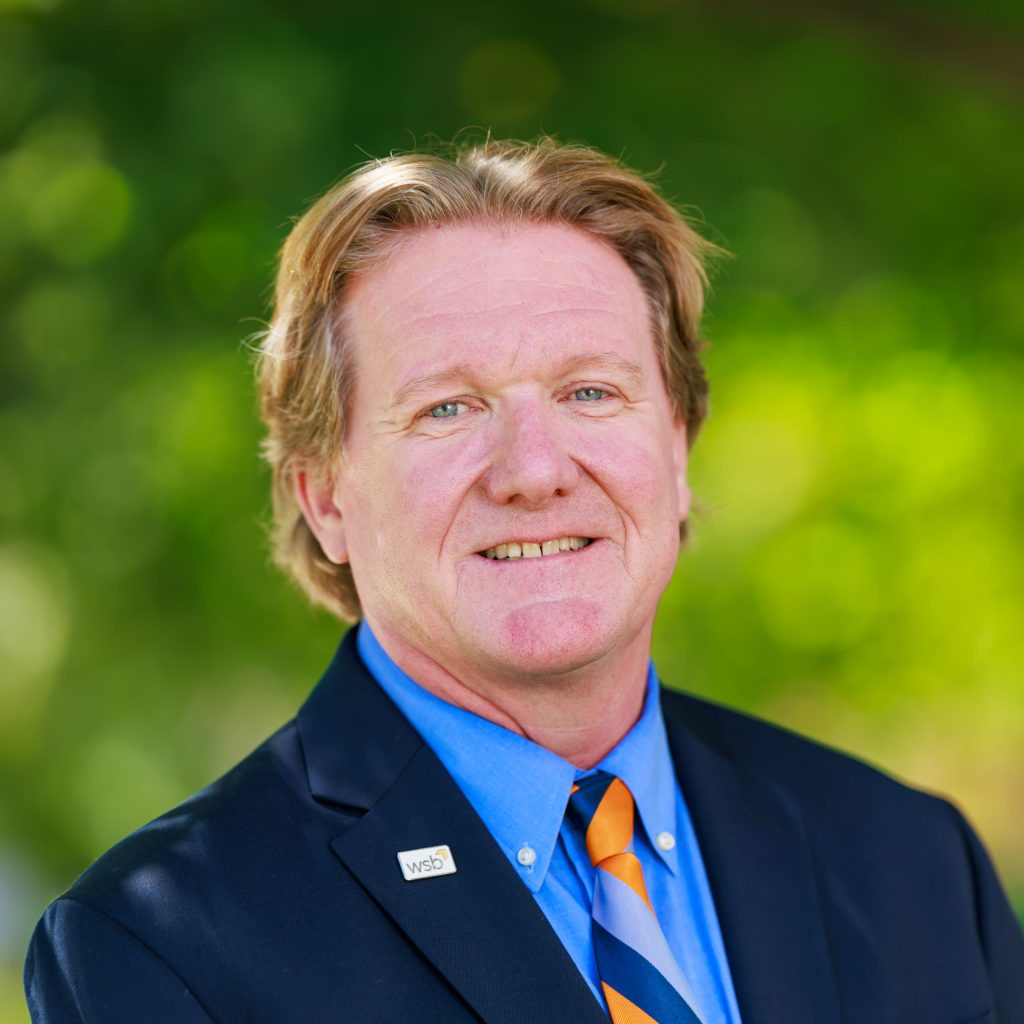
By Brian Bourassa, VP of Corporate Development

Investing in the vitality of the city of Lino Lakes, Minnesota.

At WSB, we use the term infrastructure broadly to define the places, spaces and systems that support our lives.  As important as infrastructure is to our way of life, we don’t often think about it until something goes wrong.  We’ve been privileged to support communities across the U.S. with their infrastructure needs. The scale of the projects may vary, but the impact is always significant.  

For the last several decades, the city of Lino Lakes, just north of the Minneapolis-St. Paul metro, has been investing in their infrastructure across the community.  In the end, it’s not one single project that has helped to build a vibrant community, but rather the collective investment in varying infrastructure. These investments have played a vital role in spurring development and progress within the city.

1. Biological Water Treatment Plant

The city is currently planning to construct a water treatment plant due to some of the city wells having manganese levels above the recommended guidelines. A biological treatment approach is unique because it relies on natural microbial activity to remove contaminants rather than chemicals, an environmentally sustainable strategy.

2. West Shadow Lake Drive

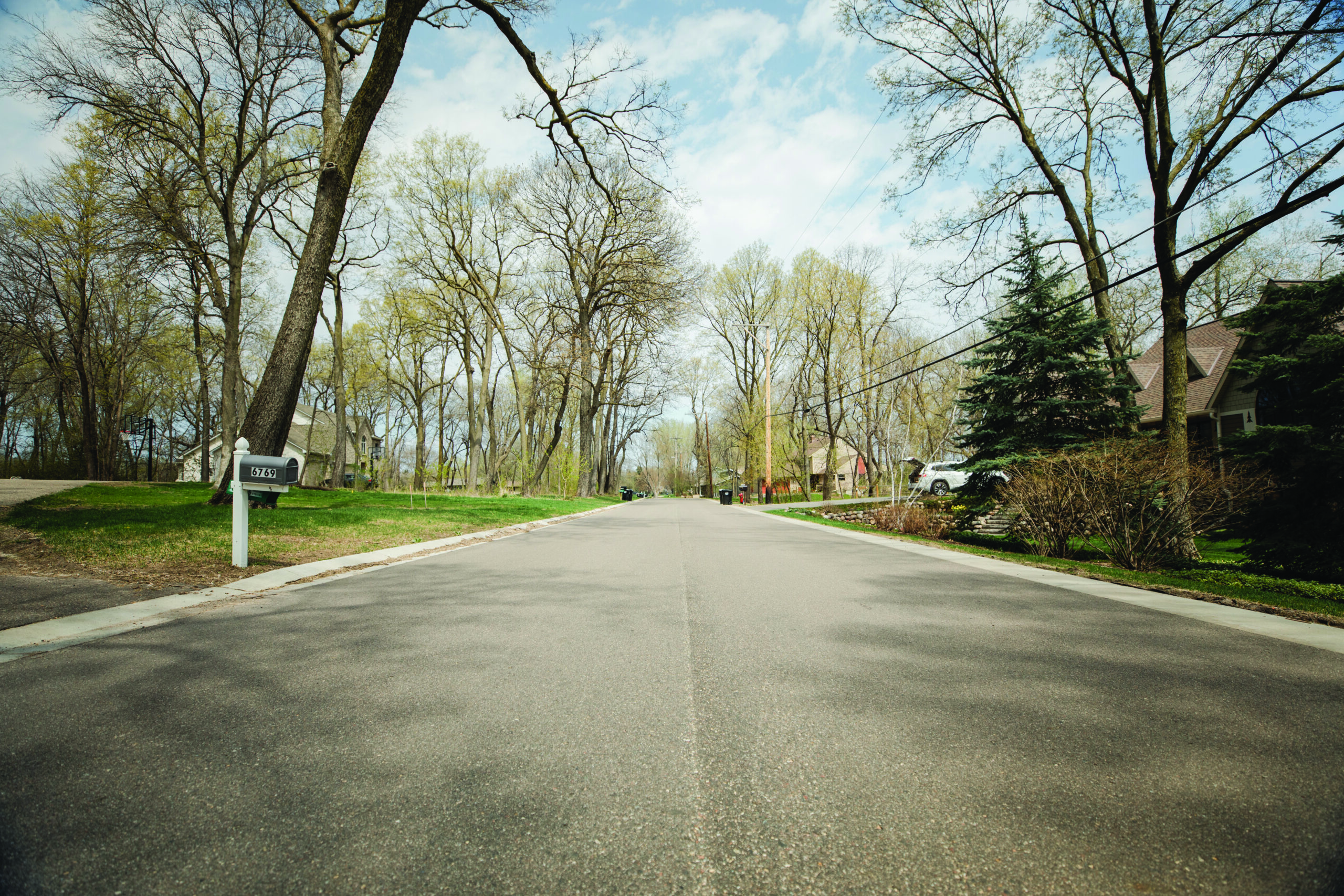
West Shadow Lake Drive is a residential street that was plagued by potholes, had no sewer or water, and faced challenges from high groundwater levels due to its proximity to Reshanau Lake. As part of the city’s pavement management program, the road was removed and replaced to support the city’s roadway infrastructure and sanitary sewer, watermain and storm sewer infrastructure was also installed. In addition, environmental work and wetland enhancements occurred throughout the area.

3. 12th Avenue Trail Project

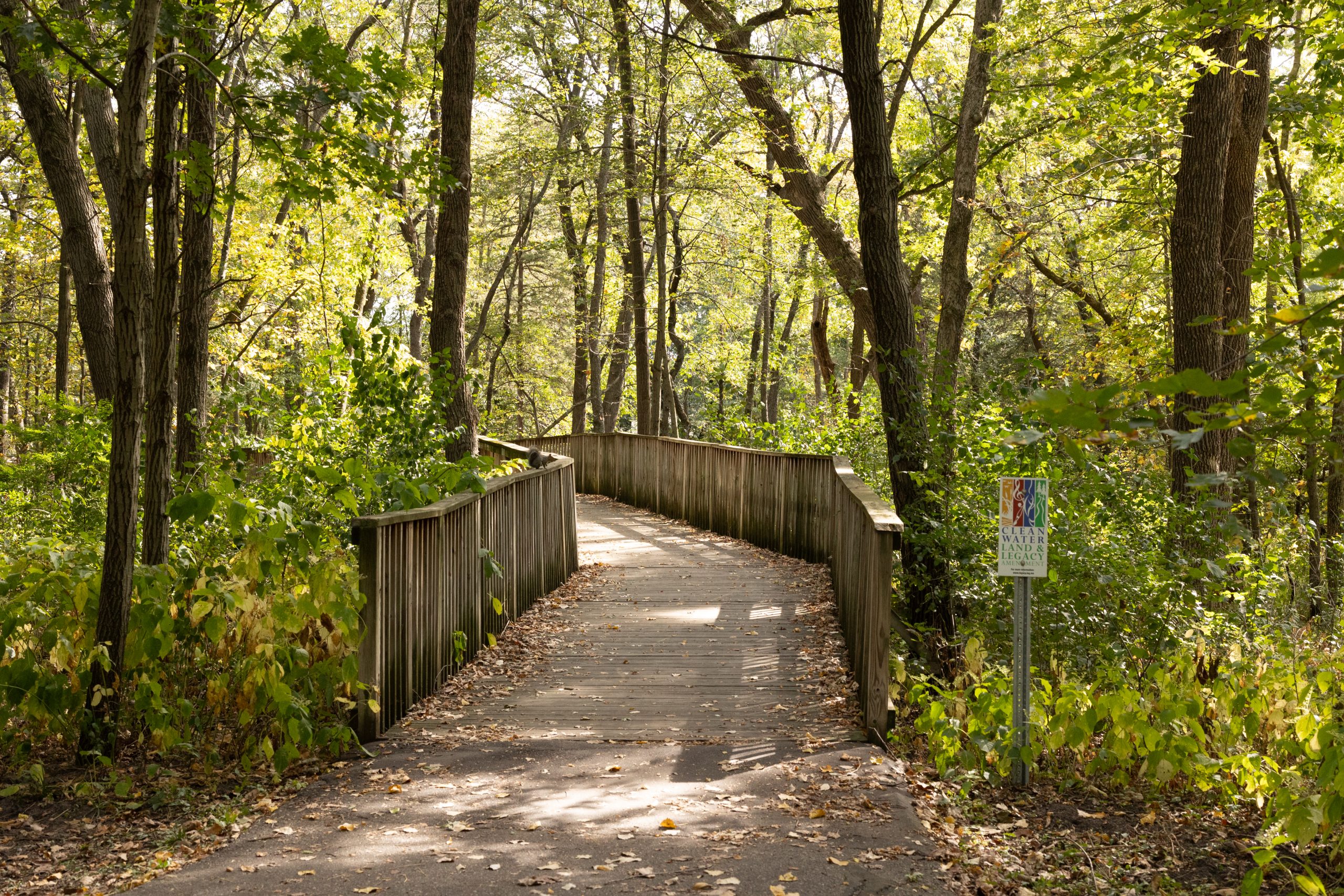
The 12th Avenue Trail connection was identified as a priority in the city’s Comprehensive Parks and Trails System Capital Improvement Plan due to the lack of trail connection along 12th Avenue.  Prior to project completion, the busy rural road was narrow with unsafe conditions for pedestrians and cyclists. The project resulted in increased safety and a more bikeable, accessible community.

4. Master Plan and Comprehensive Stormwater Management Plan

Located in the northeast corner of Lino Lakes is a 1300-acre greenfield area that is prime for development opportunities. WSB was contracted to develop a master plan, comprehensive stormwater management plan and update the Alternative Urban Areawide Review (AUAR) for the area. Development opportunities will include residential, industrial and commercial that will spur economic activity in the area. 

5. The Rookery Activity Center

When the local YMCA closed in 2020 it left a hole in the community. The city of Lino Lakes took action to reinvigorate the space. To establish itself as a new asset within the community, the building needed an overhaul, not just in amenities and programming, but also the brand.  WSB worked with the city to develop a story, identity and brand assets.

6. Tower Park  

Tower Park is located on a 60-acre piece of land that was purchased by the city over 20 years ago.  The city council felt strongly about developing the space into a destination recreation area for the community.  WSB provided the park master plan and phase 1 design support. Tower Park is now home to some of the city’s most popular pickleball and tennis courts.  The project was completed last year. 

7. Birch Street Roundabouts

Birch Street is a heavily traveled roadway through the city with frequent accidents occurring due to the number of entrances to the high-speed roadway.  There were safety concerns from residents and a nearby school. To help alleviate the number of accidents and increase safety, several roundabouts, medians, crosswalks and safety signage were added.

8. Gateways to the City – Placemaking

Lino Lakes is a proud community and wants to enhance their welcoming presence by creating placemaking monuments at city entrances. The project is still under development, but once complete, the entrances will offer a ‘front door’ to the city and will invite visitors and residents to step inside and explore the community.

9. Feasibility Study – Lake Amelia Subwatershed

A 255-acre subwatershed of Lake Amelia is currently undergoing a feasibility study to address existing stormwater management concerns and anticipated future land use changes to the area.  The short-term phase includes solutions to address flooding concerns.  The long-term phase proposes more holistic improvements to the corridor that that would occur alongside its eventual development. The study will help guide future planning in the area and will ensure that the area is prime for development.

10. Shenandoah Park Improvements

In partnership with the Rice Creek Watershed District, the city is exploring multiple improvements to the Shenandoah Park area to improve water quality, ensure its habitat is supported, and create a destination for park users. WSB is currently exploring water quality improvement options, wetland restoration, flood retention and greenway spaces to support the goals of the watershed district and the city.

Portrait of Brian Bourassa


Brian has more than 25 years of experience in the civil engineering field and has worked extensively in both the public and private market sectors. This experience has provided Brian with a broad engineering background, and has allowed him to develop a strong understanding of both public financing and private business perspectives. Brian’s lasting client relationships are a testament to the focus he places on developing creative solutions and providing over-the-top customer service.


763.287.8536

August 14, 2023
By Alison Harwood, Director of Natural Resources, Kim Lindquist, Director of Community Planning & Economic Development and Jason Amberg, Director of Landscape Architecture, WSB

Native landscaping is growing in popularity, from pollinator-friendly plants and prairie grasses to rain gardens. Now the state of Minnesota passed a new law, effective July 1 of this year, that requires municipalities to allow property owners and occupants to install and maintain managed natural landscapes.

What are the pros and cons of this new law, and what does it mean for cities? Here are some things to consider.

What are the benefits of native landscaping?

Native landscaping covers a spectrum of options that includes a variety of landscaping. This could mean including only plant materials that grow naturally within the region to combinations that blend some areas of native plantings with some areas of manicured lawns or ornamental landscapes. Introducing native plant communities can provide critical resources for pollinators and provide a place for certain species to hibernate in winter. Rain gardens can help manage stormwater run-off and reduce chemical runoff.

In addition to the natural benefits, there are economic benefits as well. Native landscaping reduces the need for irrigation and watering as plants are often more drought resistant. There are also cost savings from reduced fertilizer and chemical usage, as well as reduced maintenance costs.

How are native landscapes maintained?

The new Minnesota statute clearly states that native landscapes must be well-maintained, but what does that mean? In the statute, managed natural landscape is defined as a planned, intentional, and maintained planting of native or nonnative grasses, wildflowers, forbs, ferns, shrubs or trees, including but not limited to rain gardens, meadow vegetation and ornamental plants.

When thinking about a traditional manicured lawn, maintenance includes regular mowing throughout the spring and summer, regular watering when it gets dry and the application of fertilizers and herbicides. Then in fall, landscapes are often cleaned to remove dead plants and leaf litter.

For native landscapes, however, there is far less maintenance, and plants often grow quite tall. In fact, the new law allows native grasses to grow taller than 8 inches high. Plus, as the weather turns cold, it’s better to leave the lawn and dead vegetation in place, providing quality habitat for wintering animals and insects.

What does this ordinance mean for local governments across Minnesota?

While many cities have adopted ordinances in the past decade allowing native landscaping, many others have ordinances prohibiting native landscaping or yards to have grass taller than 8 inches. This new state law supersedes local law, and it is important that communities update ordinances to comply with state statute.

Moreover, ordinance changes often take at least 60-90 days, so it’s important to act before next spring when many residents will begin lawn maintenance and planting. This ensures residents have a clear direction from the city.

Managing Public Engagement and Education

With this new law, there are a few issues local communities must navigate to ensure residents feel heard and legal requirements are made clear.

For residents concerned about unkempt lawns or who prefer neighborhoods to have a more manicured look, it’s important to communicate the benefits of native landscaping for the community and residents. Moreover, residents should be educated that while native grass and plants can grow taller than 8 inches, traditional manicured lawns cannot. And whether having natural landscaping or manicured lawns, noxious weeds are not allowed by this law change. Cities can and will still be enforcing unkempt lawns that do not meet state and local law requirements.

Educational community meetings, handouts, guidance on websites, and social media campaigns are all ways that cities can effectively communicate with residents about the new native landscaping laws.

How WSB Can Help

If you’re a city leader who needs help navigating ordinance changes around this new statute, WSB’s team can help.

Our landscaping team can also help clients design and build native landscaping into their public or private spaces, offering solutions that are aesthetically striking, environmentally friendly and economically beneficial.

Native landscaping is growing in popularity, helping bring people and nature closer together.

Alison leads the Natural Resources group. Her experience includes work in the natural resources field, including wetland and avian surveys, permitting, alternatives analysis, and environmental documentation for projects in both the public and private sector.

[email protected] | 612.360.1320

Kim is a planning professional with over 30 years of experience overseeing a variety of complex planning projects. She has worked in high growth communities with developers and the public on entitlements for residential development and attracting business to the city.

[email protected] | 763.287.8303

Kim Lindquist

Jason is the Director of Landscape Architecture at WSB with more than 25 years of experience in public space planning and design. From small-scale neighborhood park improvements to comprehensive park and trail system plans, Jason has worked with park boards, municipalities, governing agencies and community residents.

[email protected] | 612.518.3696

Jason Amberg

April 17, 2023
By Jon Christensen, Professional Engineer and Steve Nelson, Director, Water/Wastewater, WSB

The U.S. Environmental Protection Agency (EPA) has proposed establishing legally enforceable levels for six man-made Per- and Polyfluoroalkyl Substances (PFAS) that are known to exist in the environment and drinking water. The EPA’s proposed levels are below most states current guidance levels and are near the detectable limits of the particular PFAS compounds. This move represents a significant step forward in safeguarding the health of our communities. To achieve this goal, the EPA is leveraging the most recent scientific data and building on existing state efforts to limit PFAS, aiming to provide a nationwide, health-protective standard for these specific substances in drinking water.

PFAS compounds are being detected in more and more water sources, both in surface water and groundwater systems. It is essential that cities stay up to date on this rapidly evolving science, so they can be prepared to adapt to new regulations and rules as they are decided.

Here’s what you should do now to be prepared and the potential solutions if these PFAS compounds are identified in your city’s drinking water.

Testing for PFAS

Many cities are not currently monitoring or testing for PFAS compounds in their water systems. The proposed EPA PFAS regulations lower the acceptable amount of PFAS compounds, which will likely affect a greater number of cities. That’s why cities should begin testing now. Keep in mind that the Minnesota Department of Health has a web tool that cities can use to determine whether testing has already been done in their area. If no testing has been done, cities should consider testing and eventually will be required to conduct testing, and if regulated PFAS elements are detected above allowable levels, then cities must begin evaluating and implementing solutions.

Solutions for PFAS Contamination

There are several options for addressing identified PFAS that include obtaining water from a source or system that does not contain PFAS, blending water from multiple sources to dilute the amount of PFAS entering the distribution system, or treating the raw water that contains PFAS. The cost of addressing PFAS in the water supply will vary depending on the amount of PFAS detected and the solution type that is most feasible for that community.

How WSB Can Help

Thinking through the next steps now, while communities await the EPA’s final ruling on PFAS regulations, can set a community up for success and better prepare cities for evolving water quality regulations.

Jon’s experience in water and wastewater engineering include water supply systems, sanitary sewer collection systems and water and wastewater treatment facilities. Prior to joining WSB, Jon spent two years with an NGO in Honduras designing and constructing electricity-free sustainable drinking water treatment plants.

[email protected] | 612.437.7967

Steve’s experience includes treatment plant designs and renovations (for both groundwater and surface water plants). He has experience with treatment process technologies such as reverse osmosis, ozone, activated alumina, biological filtration, lime softening, radium reduction, plate settlers, plate and frame presses and solids handling. He has worked with the AWWA Office of Government Affairs and the AWWA Research Foundation on water studies.

[email protected] | 612.258.8152

Steve Nelson

April 17, 2023
By Jordan Gedrose, Landscape Architect, WSB

As Spring emerges, trail use will be in full swing with joggers, walkers, and bikers. When looking at the types of recreational trails, such as gravel, concrete, and bituminous, bituminous is the most common type of trail. Bituminous, also known as asphalt trails, are used in high pedestrian trafficked areas and are often the more cost-effective trail option.

Trail maintenance is essential for trail user safety, accessibility, and trail preservation. It means creating equitable communities where all residents have access to similar-quality trails and outdoor amenities.

Here are four trail maintenance tips for communities, especially after a winter of record snowfall.

  1. Seasonal Trail Inspections

Municipalities must inspect trails during each seasonal transition. Each part of the year brings new weather that can impact the usability of a trail, and as temperatures warm up and snow melts, cities need to inspect trails to be ready for increased traffic. Identifying pavement cracking, chipping, and heaving are part of the visual inspection. Trails receiving routine pavement inspections and maintenance will save communities money in the long run instead of allowing trail issues to worsen over time resulting in more costly repairs in the future.

  1. Repair and Preventative Measures

There are many different reasons for trail pavement failure. These include environmental factors, such as sunlight, oxidation, water, the freeze/thaw cycle, aging, and vegetation. Traffic usage from maintenance equipment, utility vehicles, and pedestrians also contributes to trail failure.

There are several different options for preventative and minor rehabilitation practices that significantly increase the overall lifespan of a trail. Generally, applying a trail sealant every four years after the trail is constructed is ideal.

  1. Remove Debris

A build-up of debris on the pavement occurs during the winter when usage is low—blowing and sweeping trails in the spring is essential to clear them. It can involve removing fallen trees and branches or trimming overgrown vegetation. Snowmelt can bring additional leaf litter and soil onto the trail, so be sure to identify any areas near the trail that are eroding to protect the structural integrity of the trail as well as limit the amount of debris getting on the trail. Check catch basins to ensure no debris obstructs the inlets to ensure water is not getting trapped on the trail.  

  1. Update Trail Markings & Infrastructure

For the same reasons pavement may need repairs based on environmental, usage, and design, pavement markings such as walk and bike lanes, direction symbols, or trail instructions should be upkept and repainted as needed. This includes signage as well. This is critical for user safety. 

In addition to trail maintenance procedures,  infrastructure such as pet relief stations, bike repair tools and pumps, benches, garbage receptacles and lighting should be operational and ready to use. 

How WSB Can Help?

WSB can help create a customized trail maintenance plan that meets your community’s needs. We also design, construct trails, and help communities implement preventative maintenance to ensure residents get the most out of local trails.

Jordan is a landscape architect who has worked with many communities to deliver visionary and achievable park master plan projects. He brings his conceptual, graphical, and technical expertise to projects including streetscapes, park and trail planning, playground design, and athletic complexes. Jordan is committed to collaborating with the client and providing thoughtful design input to create unique outdoor spaces and experiences.

[email protected] | 612.263.0687

April 17, 2023
By Alyson Fauske, Sr Project Manager, WSB

Like most industries, cities are facing numerous workforce challenges from city staffing to adjusting to more remote and hybrid roles. On top of that, many communities are also thinking big picture about how they can effectively build the smart cities of tomorrow.

As communities think about city staffing, here are some ways that they can rethink about how city staff play a role in building smarter, more efficient cities and how they can build engage, and connect workforces.

City Staff Are More Connected Than Ever Before

We may be passed the pandemic, but there were numerous lessons learned about how technology can better connect staff, and for cities, that is critical for cross-collaboration and problem-solving. Email, Zoom, staff management tools like Slack or Microsoft Teams – they all help with staff augmentation and close gaps on how staff are connecting.

Whether your staff is onsite, hybrid, remote, or all of the above, getting smart about technology gives city staff the tools to remain better connected and address critical community needs more efficiently, effectively, and collaboratively.

Understand How GIS Data Can Improve Efficiency

The need for on-the-ground repair and infrastructure services will never be fully replaced in cities. However, with tools like Google Earth Street view and GIS mapping, some investigative work to identify problems can be done off site. It can be a simple, yet effective tool, and it’s also one that is easily accessible to all cities.

Smart City Tools Foster Better Communication with Residents

At the end of the day, city staff are there to improve communities and the lives of residents. Smart tools and technology are significantly cutting redundancies in city staff time, improving connectivity, and making city government more accessible for everyone.

For example, phone apps and online tools allow residents to report city issues like potholes. Instead of creating multiple pieces of paperwork and follow up for each resident that reports on the same pothole, tech tools can measure the number of complaints and combine a single issue into one report.

Tools like these also ensure that residents can connect with city government at their convenience. They don’t need someone at a desk from 8 a.m. to 4 p.m. to submit paperwork, share resident input, or access important city information. Technology makes city government more accessible.

In short, as communities think about building smart cities and finding and maintaining a top-quality workforce, tools and technology are critical for fostering connections between city staff and between residents and local government. WSB has the staff and expertise to help support your community as you lead it into the future.

With over 20 years of engineering experience in the municipal industry, Alyson Fauske has built her career providing municipal engineering services throughout the Twin Cities. Her portfolio of work includes street and utility reconstruction, technical analysis and field observations, direct project planning and management, and comprehensive and capital planning services.

[email protected] | 612.263.1736

January 11, 2023

Late last fall, Congress passed the bipartisan Infrastructure Investment and Jobs Act (IIJA), which infused an astounding $1.2 trillion into our nation’s infrastructure. The package, which includes $550 billion in new federal spending over the next five years, gave local and state governments significant opportunities to fund infrastructure improvements over the next several years, and many communities have already taken advantage of this influx of funding.

Transportation, clean energy, clean water, broadband expansion, and more, gave communities across the country an unprecedented opportunity to invest in projects that will have a meaningful impact on the future for residents, businesses, and the environment.

How Have Communities Benefited from this Funding?

Every community is different, and every community’s needs are different, but here are some of the top ways that local leaders, planners, and governments have benefited from IIJA.

Advancing Bigger Projects Sooner & Removing Financial Roadblocks

Whether a large metropolitan city or a small rural town, every community has a list of needed infrastructure projects, but funding and resources are often limited. Communities must prioritize, and sometimes put larger projects on the back burner due to budget constraints.

TheIIJA is helping to change that mindset for many communities, giving leaders a greater opportunity to think big. Whether it’s getting on a project funding priority list, putting forward a feasibility plan, or thinking more comprehensively about the environment, transportation, or other community infrastructure needs, the federal infrastructure law has provided meaningful opportunities to secure funding for projects that may have previously been out of reach.

Viewing Projects Through an Equity Lens & Involving More Voices in Community Planning

Equity is a major component of IIJA, creating a real opportunity for communities to invest in projects that benefit traditionally underserved communities, as well as advance sizable projects that create a better community for all. Including equity in infrastructure project planning not only enhances local communities and benefits residents, but it also gives projects a competitive edge in securing dollars from the federal funding package. 

Many communities are viewing their infrastructure projects through an equity lens and incorporating more voices as they plan for the future.

Addressing Climate Change & Infrastructure Resiliency

Our climate is changing, and “once-in-a-century” storms no longer occur just once in a century. Higher temperatures, drought, more intense precipitation, wildfires, flooding, and changing ecosystems are all issues that impact communities’ infrastructure planning. Building greater resiliency in projects and planning for more extreme weather and climate events is critical and recognized within the IIJA funding.

Green infrastructure, innovative stormwater solutions, water reuse systems, native landscaping, and more can help mitigate risk and better protect populations, native species, and habitats.

Developing Brownfield Sites

Brownfields – previously developed sites that are no longer in use – are underutilized space that present real opportunities for economic, social, and environmental revitalization. However, they are often costly to redevelop. With more than $1.5 billion allocated to brownfields in the infrastructure package, many communities are taking advantage of the opportunity to move forward with brownfield projects, and expand their city’s tax base, grow jobs, build housing, and develop sites in ways that benefit residents and the community at large.

Building a More Sustainable Future

Sustainability is a fundamental component to infrastructure, and IIJA allows communities to invest in forward-looking projects that will have long term, positive environmental and social impacts. From electric vehicle charging stations and energy storage to ecological restoration, greater investment in sustainability is allowing local leaders to make bigger, more thoughtful investments that will help address climate change and resiliency.

Navigating a once-in-a-generation opportunity

Our team of funding experts help communities navigate grant applications, data gathering, project design and engineering, sustainability planning, stakeholder engagement, and more. IIJA is a once-in-a-generation infrastructure investment opportunity, and communities of all sizes can and should tap into the extraordinary opportunity for infrastructure improvement and investment.

January 11, 2023
By John Bradford, Sr Project Manager, WSB

From electronically monitoring water pumps to installing GPS trackers on city snowplows, many cities are embracing technologies and tools to become a smart city. Communities across the country are advancing initiatives that make their cities more efficient, while protecting resources and public dollars. 

What opportunities are out there, and what does being a smart city mean? Let’s break it down. 

What Does It Mean to Be a Smart City? 

There is no one definition of smart city, but there are a few ways to approach the concept and adopt smart city initiatives that meet the needs of your community. 

The first is to consider policies and tools that benefit the public. How can smart cities improve health metrics, the way that residents interact with one another, or best utilize community resources? There are numerous technologies and innovative ideas that can improve the lives of citizens and benefit overall public wellbeing. 

The next area to think about is data systems, and how you can track information to improve the efficiency and life of equipment. Thorough asset management means understanding that infrastructure and equipment not only require preventative maintenance, but predictive management as well. New technologies can help cities understand when certain equipment needs to be repaired or adjusted, extending its life, and helping communities more effectively plan for capital improvements. Furthermore, for communities with sustainability plans, it’s important to understand how sustainability, asset management, and smart cities all connect. 

Next, when thinking about smart cities, it is critical to map how using technology can more effectively utilize resources. For example, many northern cities are installing GPS tracking devices on city snowplows and making traffic light modifications that allow the plows to make it through green lights instead of having to stop. This improves the efficiency of snow removal, better utilizes community resources, and positively benefits public safety by clearing roads more quickly and effectively. Another example is having occupancy sensors installed at community parks and playgrounds to track usage and the best allocation of resources. 

What it means to be a smart city can mean something different to each community, so it’s important to think about what works best for your community. 

What are the Biggest Opportunities and Challenges?

Smart cities are the future, and can help communities save money, direct resources more efficiently, and better connect and communicate with residents. The opportunities are endless, so communities need to look at places where they can find the greatest value and potential. 

But because there is no one definition of what a smart city means, many communities can feel pressure to do too much, or fail to see how the small technological investments and changes they are making fit into the big picture of a smart city. 

Furthermore, as every community faces limited budgets and funding priorities, understanding where smart city investments make the most sense and will have the biggest impact is key. Also looking at opportunities to expand funding resources is critical. WSB helps many communities with identifying and applying for grants. 

Where to Start?

Where do you start on the road to becoming a smart city? It’s important to think both big picture and in detail. 

Start by defining your goals. Is it improving the efficiency of public works? Is it better communication with residents and the public? And how do these goals tie into your city’s larger strategic plan? 

At WSB, we help communities navigate big ideas and in-depth planning. If you’re not sure where to start or have ideas, I encourage you to reach out for an exploration conversation. There are so many amazing new tools, technologies, and opportunities out there – and smart cities can help build a better future for all of us. Look to us this year to continue to share articles on the ways that technology can help improve your community.

John has worked in the private and public sectors for 29 years and has worked with the cities of Hopkins, Woodbury and Bloomington. His experience includes policy development, capital improvement planning, infrastructure planning, comprehensive planning, site master planning, facility expansion projects, and interagency partnership agreements, labor contract negotiations, and culture change management.

[email protected] | 952.210.8280

By Lori Johnson, Sr Professional Community Planner and Laura Melcher, Sr Business Development Coordinator, WSB

Government leaders, whether at the city, county, or state level, face numerous engineering and infrastructure project needs that often require outside consultants and experts. When putting together a request for proposal (RFP), communities have an opportunity to better communicate those needs and requirements to improve the responses they receive. A well-written and informative RFP allows you to find the right outside partner to meet your needs. 

Below are some ways government staff can build a concise, well-organized, and effective RFP to ensure hiring the right consultant to reach your goals.

Communities can get more out of their consultants and establish better relationships by writing an RFP that lays out clear expectations and goals. A higher level of detail in your RFP will increase the responding firms ability to meet and exceed your RFPs expectations. 

Here are a few things to consider when composing your RFP:

  1. Be specific and customize your RFP. It’s important to clearly outline specific sections that you would like answered so that every detail is accounted for, ensuring firms can provide meaningful details on how to accomplish your goals.  
  2. Be detailed about your specific project. The more details you can provide upfront the better. This will allow consultants to be more specific in their writing, better showcase their applicable skills, and maximize potential without guessing at what should be included or how their services will meet your requirements. 
  3. Highlight your top priorities and concerns. By being open about what is most important, what concerns exist, and what stakeholders will be involved in a project, consultants are able to better understand exactly who they need to bring in from their team and how they can provide proper support and expertise. 
  4. Allow time for questions and communication with potential partners. Creating set times for potential firms to connect and ask questions, like a virtual Zoom session, is helpful to ensure no details are missed and applicants have a clear picture of your expectations. Having these meetings at least two weeks prior to the submission date is helpful, as consultants work on specific timelines to ensure you get a quality proposal. 
  5. Ensure that your RFP defines specific submission requirements and clear deadlines. There should be at least one month between the release of an RFP to its application deadline, as this allows firms to put meaningful time and effort into a proposal. If you have a good idea about how the proposal should be organized, page number requirements can be used to ensure the consultant is concise and follows directions. It is also helpful to be clear if the submission should be electronic or printed and mailed. The address or contact email should be given to allow the consultant to deliver it on time and to the correct location/person.
  6. Provide a clear budget when possible and comprehensive scoring criteria. Every project has a budget and budget limitations. Communicating that information will help a firm build a proposal that fits within your budget. Make sure you accurately communicate how you weigh different sections of a proposal. If the budget is weighted heavily, state that clearly in your RFP. 
  7. If a firm isn’t awarded the contract, offer honest insight and feedback. After interviewing firms or evaluating the proposals, you must choose the right one for your project. For those who weren’t chosen, provide honest feedback. This ensures that consultants gain a better understanding of what they can improve for next time. A good consultant will take constructive criticism and use it to make their proposals better in the future. This will also serve to build a trusted relationship with the firm.

Following these steps to create a more effective RFP will help to ensure you hire the right consultant to meet your community’s unique needs. 

Lori has more than 25 years of experience working in a municipal planning department, having worked her way up through the planning department at the City of Blaine to become their city planner. She has worked in all aspects of city planning activities including project management, site plan and application review, public participation and long range planning.

[email protected] | 612.364.3029

Laura is a business development professional with over eight years of experience in the construction and engineering industry. She works with clients and internal teams to develop strategic solutions. Her experience in the construction industry across the United States has given her valuable insight on projects from the opportunity phase all the way through to the execution and completion of the construction project.

[email protected] | 615.772.4555

July 15, 2025
By Shawn Poe, Director of Municipal Services and Kim Lindquist, Director of Community Planning, WSB

Staff turnover, economic conditions and resources all impact the capacity and workload of city staff. Scalable staff augmentation has become another tool in the toolbox of cities who are hoping to backfill a role, complete a special project or increase available resources. Shawn Poe, Director of Municipal Services, explores the benefits of staff augmentation with Kim Lindquist, Director of Community Planning & Economic Development.

SP: Why would a city consider staff augmentation?

KL: The number one reason to consider staff augmentation is to support staff turnover and coverage during a time of transition. If a staff member resigns, it often takes months to fill a vacancy. The great thing about staff augmentation is that cities can keep their projects and workload moving forward with limited interruption during that interim time. It also allows cities to evaluate a position to determine if it requires a full-time employee, or if tasks can be handled on an as needed or part-time basis.

SP: Is there a magic number of hours or roles for staff augmentation?

KL: No, and that’s the beauty of it. It’s scalable. A city may need support for a month, or for a long-term project. In my experience staff augmentation looks different for each community, which is great because WSB has the flexibility to fit the client need. We have situations where the augmentation is project based, like review of a specific planning project, and we have other clients where the augmentation is service based, for example conducting code enforcement for the community. We work with the client to arrive at a solution that works for their needs including providing in-office hours, dedicating two or three days a week or working within a specific time period until the project is completed.   It’s a flexible option for cities that can be scaled up or down at any time. It really depends on the community and their unique needs.

SP: How is the talent shortage impacting staffing resources?

KL: In many local governments, we’ve seen a wave of baby boomers retiring that held upper-level director positions. As they retire, finding leaders to replace them has been challenging as attracting and retaining talent is a struggle across industries.  Communities who are having a hard time finding candidates to fill roles are relying on augmentation to ensure they’re moving their projects and initiatives forward while they work to fill those positions.

SP: What do you think are the biggest benefits of staff augmentation.

KL: I think many communities don’t realize the financial savings that come with staff augmentation. It alleviates the need to hire an FTE and allows staff to have additional bandwidth to focus on higher level tasks and council policies rather than routine tasks. When the economy is strong, people don’t think about the pluses and minuses of hiring someone, but at the same time, no one wants to lay anybody off.  The true benefits lie in the scalability and flexibility of staff augmentation. 

When WSB supports communities, we stress the full resources behind us. I work in planning, but have quick access to expertise in many areas including economic development, code enforcement, public works, city engineering, sustainability, etc. We bring a wealth of expertise to the table to help support a community’s comprehensive needs.

Shawn is a Director of Municipal Services based in the Denver office and brings almost 30 years of experience in the public and private sectors in both Colorado and Texas. Throughout his career, he has supported communities across the nation as a city engineer, director of public works, and director of engineering.

[email protected] | 214.773.6767

Portrait of Shawn Poe

Kim is a planning professional with over 30 years of experience overseeing a variety of complex planning projects. Kim worked in high growth communities working with developers and the public on entitlements for residential development and business attraction to the city.

[email protected] | 612.670.2790

Kim Lindquist

By Jay Kennedy, Vice President | Texas Operations, WSB

Experiencing significant growth is exciting for communities, and many places are seeing considerable population growth and expansion across the country. But this growth also leaves many leaders asking, “How can we effectively manage this growth for our community and residents?”

Meeting the needs of new and existing residents, and addressing development, environmental, infrastructure, and other related challenges that come along with growth is critical. Here are some things cities can do to effectively manage growth.

Planning, Planning & More Planning

Communities must plan for the future thoughtfully, understanding risk and tapping into opportunities. Generally, communities have a 30-year land use plan, which drives the development of comprehensive infrastructure plans to accommodate the growth. A complete plan also includes a capital improvement plan including a financing plan. These plans are updated on average every five to 10 years—especially if a community needs to pivot or adjust due to faster than expected population growth.   

For significant improvements, such as water and sewage treatment facilities and significant transportation projects, the approval processes can be time consuming, so it is important to manage risk and find a balance that meets the community’s needs for delivering infrastructure at the right time.   

Managing Permitting & City Work

When a city experiences dramatic population growth, they are not always able to add staff resources to respond to increased permitting requests within the required deadlines. Especially if applications are flooding in at the same time, city staff can be overwhelmed, and applicants can experience delays awaiting approval.

There are some things that cities can do to help streamline this process and make it more efficient.

First, technology can help speed up the process for cities. Programs that help track and schedule reviews ensure tasks are clear, and development proposals and permitting requests are reviewed in a timely manner.  Automation and improved workflows can also minimize the time for reviews.

Additionally, many cities also contract with firms like WSB where we work hand in hand with staff to help review development requests. Bringing in outside experts can help manage peaks and make the permitting process more efficient.

Furthermore, it’s vital that cities clearly lay out the requirements and what criteria they expect from applicants. This helps reduce delays and improves the chances of getting a quality, thorough submittal package.

Finally, during construction, city representation at construction sites helps keep projects are on track and meet city requirements. With proper monitoring on site, it verifies that projects are going according to plan and won’t cause more headaches for city staff down the road.

Understanding the Value of Development

Many cities have a philosophy that development pays for itself. An expanded tax base, critical infrastructure investments, and proactive planning all help bring value to the community, making it an attractive place to live, work, and raise a family.

For communities, it’s important to remember when reviewing development applications that once a project is done, it’s up to that community to manage the roads, parks, utilities, water, and other essential services associated with the project.

Proper planning and investment, along with choosing smart projects, will help cities manage growth effectively.

Jay has over 30 years of experience managing municipal and civil engineering projects. He has also provided land entitlement services for residential and commercial projects. Jay’s specific experience as a City Engineer included leadership and management of comprehensive infrastructure plans, as well as CIP development and implementation.

[email protected] |  512.518.1819

WSB Staff working in the lobby of the WSB headquarters.

Discover Our Difference

We partner with our clients and communities to build what’s next in infrastructure – the places, spaces, and systems that support our lives.