October 12, 2026
By Jon Munkers, Vice President, Operations, WSB
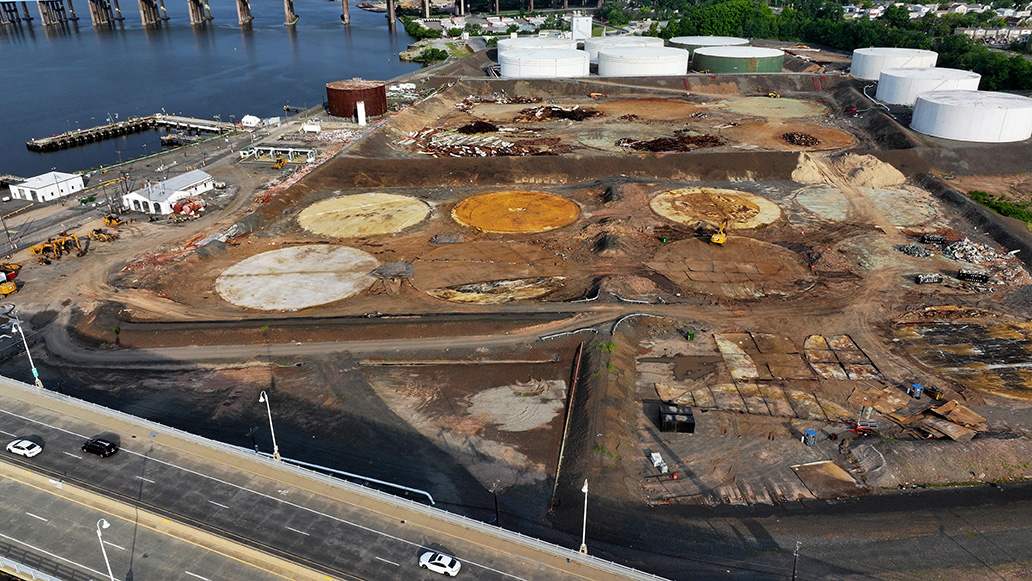
For many Tribal Nations, brownfields represent more than environmental challenges. They are opportunities to restore land, address historical impacts, and create spaces that support future generations. Brownfields are properties where redevelopment or reuse may be complicated by the presence or potential presence of hazardous substances, pollutants, or contaminants. These sites can include former industrial properties, abandoned buildings, illegal dumping areas, old fueling stations, or other underutilized lands. While these properties can present complex challenges, they also offer significant opportunities for community revitalization and economic development.
Successfully redeveloping a brownfield site begins with understanding existing conditions. Engineering teams help identify environmental concerns, evaluate infrastructure, assess site constraints, and determine what steps are needed to safely prepare a property for future use. Brownfield projects often involve legacy infrastructure, undocumented site conditions, or contamination that requires careful investigation and planning. By establishing a clear understanding of site conditions early in the process, Tribal leaders can make informed decisions that reduce risk and support long term community goals.
Cleanup is only one part of the process. Once environmental concerns are addressed, attention shifts to identifying the highest and best use for the property. Formerly underutilized sites can be transformed into housing, government facilities, healthcare centers, cultural spaces, parks, trails, business developments, or other community assets. Bringing together engineering, planning, environmental, and design expertise helps ensure redevelopment projects are both practical and aligned with community priorities, but how do you fund it?
Developing a funding strategy is critical to realizing success. Known as a “funding stack”, each project is unique and requires multiple funding mechanisms. Aligning funding schedules with the phases of the project is critical. Luckily, there are many resources including Technical Brownfields Assistance programs (TBAs) and Tribal and State Response Programs to support this process throughout the nation. Collaborating with these programs and other stakeholders is critical to developing a strong funding stack.
Every Tribal Nation has unique needs, cultural values, and development objectives, which is why there is no one size fits all approach to brownfield redevelopment. When evaluating potential solutions, leaders should consider future land use, infrastructure capacity, community benefits, environmental conditions, long term maintenance requirements, and opportunities to support economic growth. A thoughtful planning process helps ensure redevelopment investments not only address environmental concerns but also support broader community goals and future opportunities.
WSB partners with Tribal Nations to move brownfield projects from assessment to implementation. Our team provides environmental, engineering, planning, and design services that help communities understand site conditions, develop remediation strategies, evaluate redevelopment options, and create practical plans for future use. By combining technical expertise with a collaborative approach, WSB helps transform underutilized properties into assets that strengthen communities, support economic development, and honor the long-term vision of Tribal leaders and community members. Contact WSB to learn how we can help turn challenging sites into opportunities for growth, revitalization, and lasting community impact.