October 8, 2026
By Matias Mendez, Senior Director, Geotechnical Services, WSB
For cities and counties, maintaining roadway networks is becoming more challenging as infrastructure ages and budgets remain constrained. While pavement condition ratings have traditionally driven investment decisions, today’s most effective preservation programs take a broader asset management approach. Rather than evaluating roads in isolation, agencies are increasingly considering how pavement conditions, underground utilities, traffic safety, and long-term financial performance work together. In an era of rising construction costs and aging infrastructure, the ability to do more with existing assets has become one of the most important measures of a successful transportation program. Residents expect safe, reliable roadways, but they also expect public agencies to be responsible stewards of taxpayer dollars. By balancing these factors, communities can extend infrastructure life, reduce future costs, and get more value from every transportation dollar without increasing budgets.
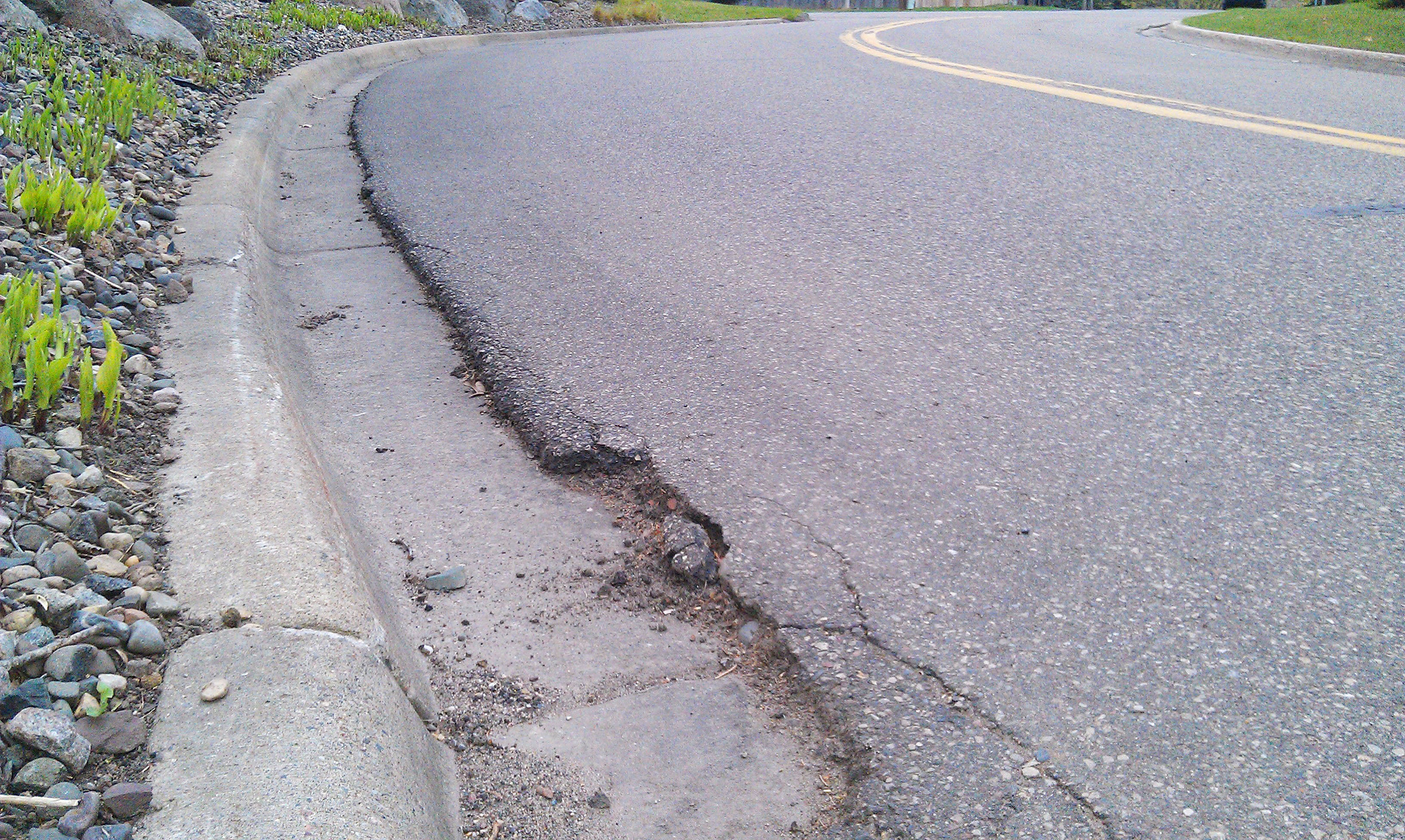
The foundation of a smarter preservation program is proactive maintenance. Rather than waiting for roads to deteriorate to the point of costly reconstruction, agencies can use pavement management tools, condition assessments, and predictive modeling to identify the right treatment at the right time. Early interventions often extend pavement life, reduce future repair costs, and delay major capital expenditures. From an asset management perspective, preserving a road in fair conditions is often far more cost effective than reconstructing it after it has failed. In many cases, small investments made at the right time can save communities significant costs over the life of the asset.
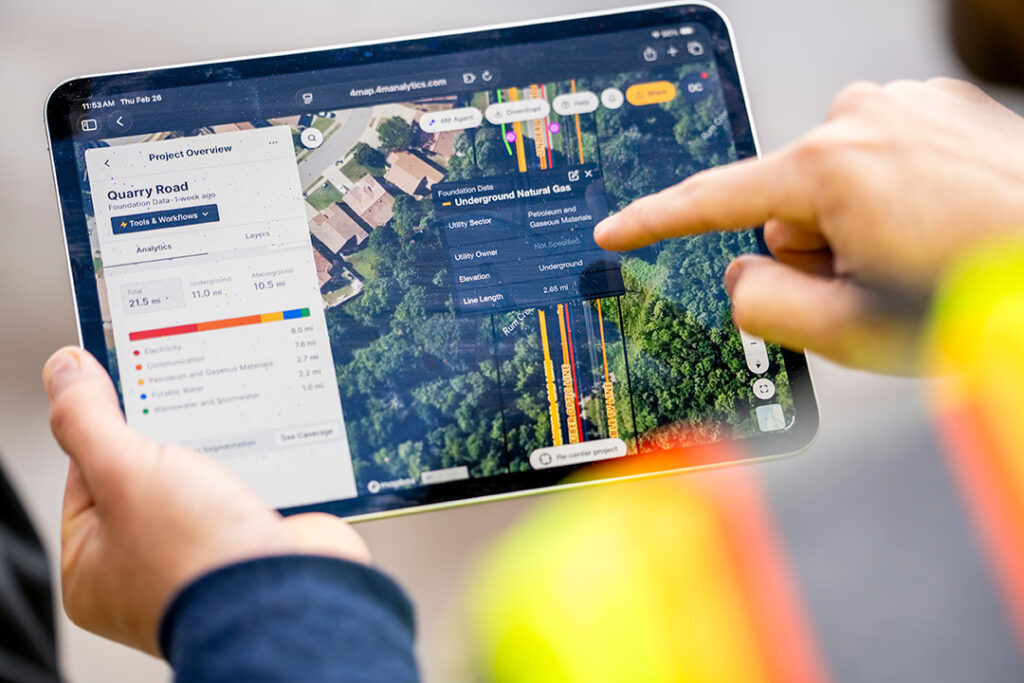
Successful preservation programs also consider what lies beneath the pavement. Coordinating roadway improvements with planned water, sewer, stormwater, or utility upgrades helps communities avoid excavating newly resurfaced roads and spending valuable resources twice. At the same time, roadway projects create opportunities to incorporate safety improvements such as upgraded pavement markings, ADA enhancements, pedestrian crossings, bicycle accommodations, and intersection improvements. Addressing these needs together minimizes disruption, improves public safety, strengthens system resiliency, and maximizes the return on every infrastructure investment.
The most forward-thinking agencies prioritize projects using an asset management and lifecycle cost approach rather than pavement conditions alone. The question is no longer simply which road is in the worst condition, but which investment will deliver the greatest long-term value for the community. Factors such as utility age, traffic volumes, crash history, future development, funding availability, and long-term maintenance obligations should all play a role in project selection. By asking whether utility replacements can be coordinated, safety improvements can be integrated, or preservation treatments can delay reconstruction, agencies can make more strategic decisions, lower total ownership costs, and maximize the return on public infrastructure investments. Just as importantly, this approach helps communities reduce deferred maintenance backlogs and avoid allowing relatively minor issues to evolve into significantly more expensive capital projects in the future.
At WSB, we help cities and counties take a comprehensive asset management approach to street preservation. Our team combines pavement asset management, geotechnical engineering, pavement design, utility coordination, deterioration forecasting, and capital investment planning to help clients prioritize projects based on long term value. By evaluating infrastructure as a connected system rather than a collection of individual projects, we help communities reduce lifecycle costs, stretch limited budgets further, and make more informed investment decisions. The future of street preservation is not about finding more funding. It is about making smarter decisions with the resources already available. By balancing maintenance needs, utility investments, safety priorities, and lifecycle costs, communities can get more life from every mile while building safer, more resilient transportation networks for the future.