News


Related Insights
We’ve got our eyes on the horizon

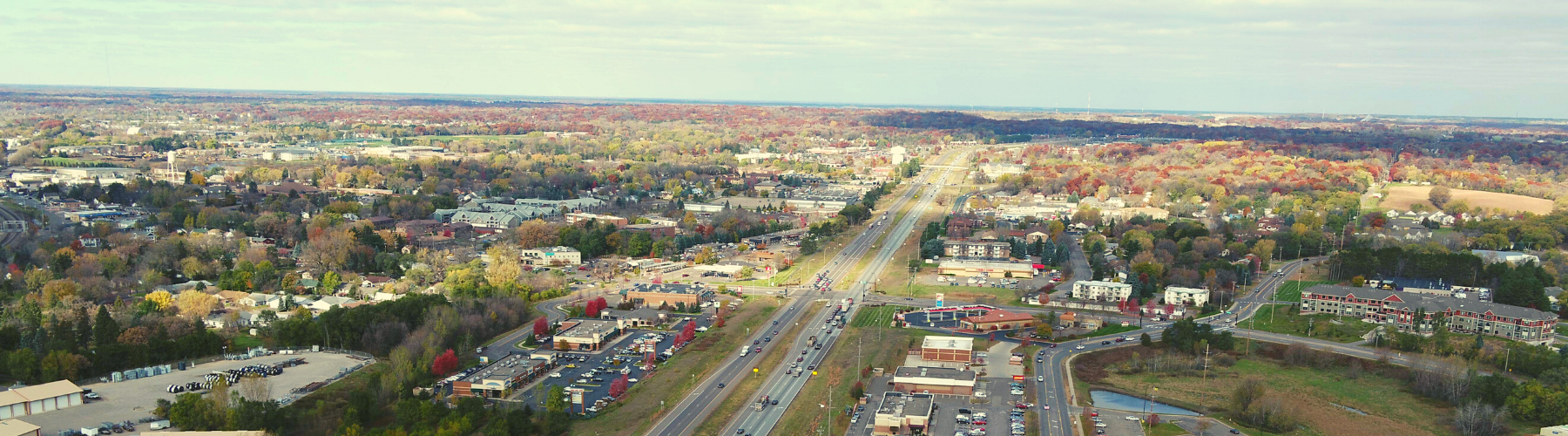
WSB is thrilled to partner with the Minnesota Department of Transportation (MnDOT) to provide final roadway and bridge design services for the Highway 169 (TH 169) Reconstruction Project.
TH 169 is a significant north-south highway in Minnesota. It serves rapidly developing communities and is a gateway to exploring recreational areas in Greater Minnesota. The highway is heavily traveled by both vehicles and pedestrians. Expanding the highway is intended to improve safety and reduce the average rate of collisions in the area.
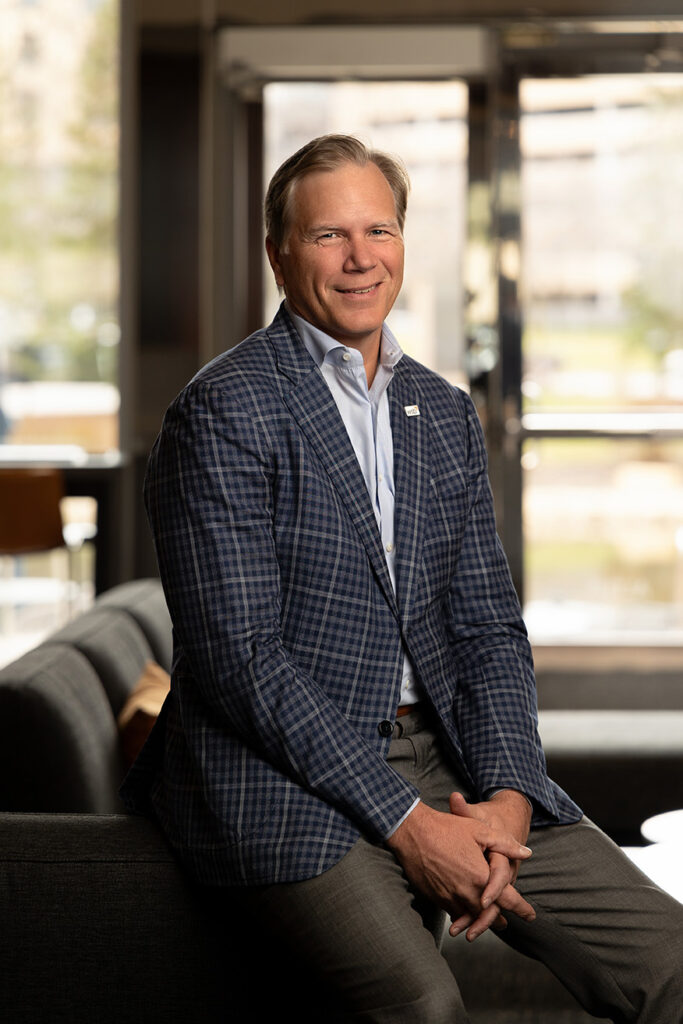
Jody Martinson, vice president of transportation at WSB, anticipates this project will have a lasting impact and looks forward to delivering a safer commute for surrounding communities.
“This project is incredibly important to users of the TH 169 corridor,” said Martinson. “Being able to work side-by-side with MnDOT to improve the safety and mobility for motorists and pedestrians is extremely gratifying. WSB is excited to utilize technology and innovative solutions to improve the efficiency of design and construction.”
The reconstruction will address operational, infrastructure and mobility issues, all important elements considered when the project was selected for the Corridors of Commerce (CoC) program. The project will replace four signalized intersections with interchanges and consolidate access points, drastically improving safety and mobility. Local roadways will be reconstructed to create ADA accessible routes at the interchanges. The TH 169 project is expected to reduce roadway delay by more than 1,000 hours per day, eliminate $1.7 million in annual crash costs, and provide more reliable travel times for the public.
The project is also a CMGC project. As a CMGC (Construction Manager/General Contractor), the process will involve several stakeholders and team members throughout the design and construction process. The project will also require strong coordination and communication with MnDOT. Project manager, Peter Muehlbach formed an expert team to ensure the CMGC process is efficient, effective and economical for reconstruction.
“When fully utilized, the CMGC design process allows for a more collaborative work environment between designer and contractor,” said Muehlbach. “I am excited for the opportunity to make design decisions together with our MnDOT, Sherburne County, city of Elk River and Ames Construction partners.”
Additionally, the project team will leverage state-of-the-art and emerging technologies to provide sustainable solutions during the design phase. By utilizing modeling tools, WSB will streamline construction management, drainage and utility relocation processes.
Planning for the TH 169 Reconstruction Project is underway with final design set to begin this summer. Phased construction will begin in fall 2022 with project completion set for 2024.
Related Insights
We’ve got our eyes on the horizon

On October 5, 2020, WSB will celebrate our 25th year in business. Since 1995, we’ve added new service areas, expanded our reach and served our communities. Throughout our tenure, our dedicated staff has been a constant.
In honor of our 25th year, we’ll be highlighting 25 stories of the people behind the projects.
Story 1 of 25
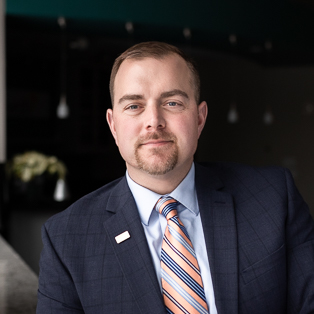
Chris Petree, Director of Rochester Operations | Joined WSB in 2019
What do you think is special about celebrating 25 years as a company?
I remember when WSB was a small company and today we’ve grown into an industry leader without sacrificing our founding principles and core values. Throughout the firm’s 25 years, the team has led with integrity and integrity has remained a constant.
What has been the most memorable moment of your career at WSB?
It wasn’t when I was employed with WSB, but rather when I was one of WSB’s clients. While I was in Lakeville as the Director of Public Works, I partnered with WSB to create a comprehensive pavement management program that resulted in one of the most aggressive street reconstruction programs in the state. I’m extremely proud of what we accomplished together for the Lakeville community.
What WSB value do you connect most with? (Bold, Visionary, Authentic, Passionate, Optimistic)
I connect with all of them, but honestly my top value is being authentic. I witnessed WSB’s authenticity as a client and I find it to be true as a staff member. I came to WSB after over 24 years in the public sector and I wasn’t asked to change my style, approach or beliefs. Instead, I have been encouraged to bring my authentic self to the clients we serve.
What about your work gives you energy?
Making an impact for our clients and their communities. It’s energizing to form partnerships and collaborate to find creative solutions not just for this generation, but for the generations of the future.
Why do our clients continue to work with us?
I think clients work with us because of our core values. We bring these values into every project, idea and client interaction. I also think that WSB has hired and retained some of the top professionals in the industry and our clients benefit from that expertise.
Related Insights
We’ve got our eyes on the horizon

Bart Fischer, Senior Public Administrator, WSB
All of us have been affected in unprecedented and profound ways by the COVID-19 virus. Some mornings it seems as though just making it through to the end of the day is the goal. As I began putting together my thoughts around what city/county managers & administrators should be thinking about during the 2nd quarter of a “normal” year, it struck me that there aren’t “normal” years. Each one is unique with its own challenges and opportunities. Yes, the COVID-19 virus is a big, unprecedented challenge. However, it’s one that public administrators can navigate because that is what we do. We lead our organizations through good times and bad, all while inter-weaving what is “normal” with the constant changes. My goal here is the same, weave together “normal” 2nd quarter considerations for city/county managers & administrators with the current challenges and changes of COVID-19.
Labor Contracts
Most public sector organizations have labor agreements with at least one, if not multiple, labor unions or bargaining units. The budgeting process is a year-round affair that likely started in quarter one, and because of this, it is important to start planning and strategizing as early as possible for labor negotiations.
With the onset of the COVID-19 virus and the challenges it presents, it is even more important to plan where to begin. We are likely facing health insurance increases, a struggling economy, and political pressure to keep taxes low. How do public officials tell essential service employees like police officers, fire fighters and public works employees, who are put their lives on the line daily, that there could be a freeze in pay and benefit adjustments?
This is the time to come together. Seek out connections and relationships with other public sector administrators and organizations to collectively find creative ways to solve these challenging financial and contractual issues. Start talking with bargaining units now to build trust and communicate expectations.
If you have labor contracts that expire at the end of this year, start connecting and communicating with colleagues and peers. Work together to find creative solutions to challenging contract discussions. Begin conversations and communicate expectations with your labor groups.
Public Works
Spring is time to start thinking about seasonal transitions in public works. There is the transition of equipment and work plans from winter activities to warm weather duties. Equipment and work plans that are set up for plowing, snow removal, ice rink flooding and inside related work, must now be transitioned to summer activities such as street sweeping, street patching, water line flushing along with lawn, park and public property maintenance. Additionally, second quarter brings the start of street reconstruction and other infrastructure projects.
It is important for administrators & managers to work with their public works directors, city engineers and staff to plan for inevitable challenges. Those may include a diminished workforce due to COVID-19; ensuring the safety of city, consultant and contractor staff; barriers to public engagement and communications regarding projects, work plans and safely interacting with the public.
The transition from winter to summer activities can be difficult for public organizations, especially during this time. However, it is also an opportunity to find and evaluate new and more efficient processes for making these transitions happen.
Parks
Like public works, parks become an important priority for public entities and residents when spring arrives. Without a doubt, our current situation of closing playgrounds and other high contact amenities is difficult. However, it can provide opportunities for park improvement. With park amenities closed, there is an opportunity for performing any delayed maintenance, replacement or cleaning.
This is the time of the year to be communicating with local athletic associations regarding needs and desires for their upcoming seasons. In the “new normal”, communication regarding plans and expectations becomes even more imperative. Are associations still planning for their seasons and tournaments? If so, will the city/county have the staff to maintain and prep the fields as needed? Are they postponing tournaments, or making them smaller, and at fewer locations to allow for social distancing and better maintenance?
It is essential to start considering and planning for a summer with closed parks and amenities. Take the opportunity to make and implement needed improvements and maintenance during the closure and communicate with the local athletic associations about expectations for the upcoming summer season.
Community Connections
During these interesting times, it is important that cities and counties stay connected to their residents and community. This will look different in today’s social distancing climate, but community connections remain a vital part of a public organization’s success. Public entities must find ways to connect to their constituents, especially those with little or no technology. My colleague Dan Pfeiffer, Director of Public Engagement at WSB, recently provided insight on this topic with his piece, “Staying Connected When Public Meetings Aren’t Possible”.
This is also the time of year when cities start to plan in earnest for summer events and celebrations with parades, carnivals and fireworks. The current state of social distancing and limits on congregating in large groups, make it important to start the conversation now about canceling or modifying these events to accommodate new recommendations.
Finding ways to successfully maintain community connections will not be easy. Organizations will be successful in their recovery efforts if they find ways to keep the members of their community connected during this crisis.
Team Members/Employees
How well an organization communicates with, engages, and treats its team members and staff during the COVID-19 crisis is a barometer for future success. Managing the impacts of COVID-19 virus on employees should include addressing stress, burnout, mental health, flexible work schedules and working from home in order to maintain the health of the individual and the organization.
Connecting with employees during an outbreak and social distancing may look different, but it is still possible. Continue to celebrate milestones such as birthdays and work anniversaries with online meetings, calls and lunch delivered to the employee’s home. Use video calling to reach out, check in and touch base as it is more personal than a text or email. Help model work/life balance. Even though work and home are now one and the same, you do not need to be, and should not expect others to be, available 24/7. Continue to build in and set aside time for both work and personal time.
The possibility of a diminished workforce remains likely as summer camps and events are cancelled, budgets tighten, and cities/counties do not hire seasonal workers. They may also have to find creative ways to use less busy staff to provide essential services. For example, full time recreation staff that may not be as busy this summer can assist with parks maintenance or general administrative work. Find creative ways to keep team members employed and engaged.
Communicating and engaging with your team members, even in small ways, is vitally important and goes a long way toward keeping them focused and productive during these trying times.
Conclusion
Though the COVID-19 pandemic has created unprecedented challenges for us all, I am confident in the work of public administrators and managers to integrate change. During this time, do not overlook the importance of focusing, planning, discussing and communicating about priorities such as labor contracts, public works and parks transitions, community connections and the safety and engagement of team members and employees. The success of our cities, counties and communities depends on it.
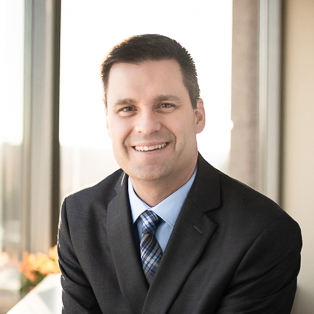
Bart has been a City Administrator/Manager in the public sector for over 16 years. He is a strategic leader known for relationship development and connecting people around common themes and goals. Bart’s experience lies in leading and creating an organizational culture of collaboration where the whole becomes greater than the sum of its parts.
[email protected] | 651.286.8484
Related Insights
We’ve got our eyes on the horizon

WSB is honored to be named one of Engineering News Record’s (ENR) Top 500 Design Firms – climbing three spots to #210. For eight consecutive years, WSB has landed on ENR’s nationally ranked list.
Through ENR’s annual survey, companies throughout the United States are ranked according to revenue for design services performed. ENR’s mission is to connect diverse sectors of the industry with coverage of issues that include business management, design, construction methods, technology, safety, law, legislation, environment and labor.
Since WSB was formed 25 years ago, we have been committed to growth. For over two decades we’ve worked side by side in the communities we live and work in to build what’s next in infrastructure. It’s through our solid partnerships with our clients that we’ve been able to collaborate and solve some of our communities’ biggest challenges. Our growth would not be possible without our dedicated clients. Thank you for trusting us with your infrastructure needs.
It is always an honor to be recognized amongst our peers. Thank you to our staff who also play a large role in driving our growth. At WSB, we drive innovation through every level and service area, and we’ll continue to find cost-effective and efficient ways to serve our clients in the future.
Related Insights
We’ve got our eyes on the horizon
We are pleased to announce the promotion of our newest leaders at WSB. Our Associates, Senior Associates and Principals demonstrate skills and leadership that advance WSB forward and support our vision and goals. We are fortunate to have strong, committed leaders at WSB that have chosen to invest in their careers with us. Please join us in congratulating our dedicated team members.
Principals
- Craig Alberg | Director of Contract Administration, Metro Region
- John Gerlach | Director of Pipeline
- Tony Havranek | Senior Ecologist
- Monica Heil | Senior Director of Municipal Engineering
- Ross Jentink | Director of Project Controls
Senior Associates
- Chad DeMenge | Director of Contract Administration – Northern Region, Minnesota
- John Powell | Senior Project Manager, Municipal
Associates
- Lisa Beckman | Senior Right of Way Specialist
- Emily Brown | Project Engineer, Municipal
- Bob Haseman | Chief Engineer, Houston
- Jen Holmstadt | Senior Project Manager, Geohazards
- Jeremy Kilbo | Senior System Administrator
- Karne Newburn | Corporate Counsel
- Jeff Sandberg | Senior Professional Engineer, Water Resources
- Erik Seiberlich | Senior Project Manager, Traffic
- Ryan Spencer | Senior Professional Environmental Scientist
- Liz Weber | Director of Financial Planning & Analysis
Related Insights
We’ve got our eyes on the horizon

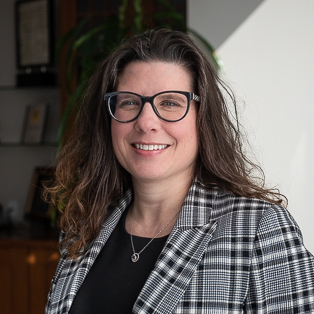
The American Council of Engineering Companies (ACEC) Minnesota Member Organization announced that Jack Corkle, WSB Director of Transportation Planning, will serve as their President for 2020-2021 starting July 1.
Shortly after joining WSB in 2012, Corkle was appointed as a member of ACEC Minnesota’s Board of Directors in 2013. She has served over seven years on the Board and is prepared to begin her new role as President, working alongside Executive Director, Jonathan Curry and President-Elect, Keith Jacobson. Corkle anticipates continuing ACEC’s work to promote the consulting engineering industry and plans to focus on partnership development within the Minnesota business community.
As President, Corkle will meet with state government officials to address legislation impacting the industry and secure opportunities for infrastructure project funding. Additionally, she will work with staff and others to develop educational and training programs for ACEC-affiliated firm members and continue to work with the Minnesota Department of Transportation and other agencies on strategies and planning for moving projects forward.
Additionally, Corkle is looking forward to bringing a more diverse talent pool to the Minnesota chapter. She believes that promoting an inclusive environment will strengthen the organization in the long-term. “We need new ideas, diversity of opinion and those who are passionate about the industry to be involved.”
Related Insights
We’ve got our eyes on the horizon
May 21, 2020
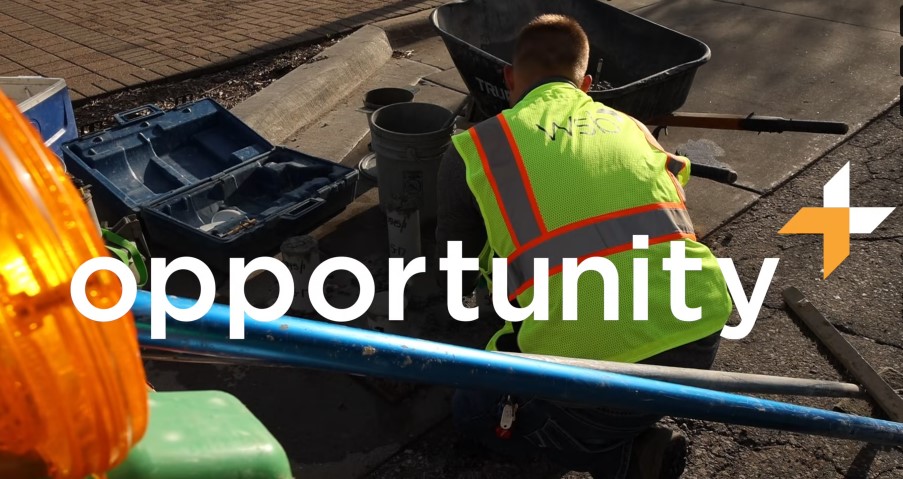
Design and consulting firm WSB today announced that the company’s first Opportunity+ cohort graduated in a virtual ceremony. The program, Opportunity+, is a new workforce training and development program designed to prepare participants for long-term careers in the civil engineering industry. Opportunity+ launched in January of this year and is a free and fast-paced training course led by experts at WSB. Nine cohort members completed the first Opportunity+ training class and received their certificates during the ceremony.
“I am honored to have played in role in introducing the program participants to the world of civil engineering,” said Bret Weiss, WSB’s president and CEO. “The communities we live and work in are far more diverse than our industry. Opportunity+ is just one of the ways we are working towards building a workforce that looks more like the communities we serve. I am so proud of our graduates and their ability to master the skills needed for a successful career in the AEC industry.”
From January through April, program participants received accelerated training through evening and weekend sessions. The flexible schedule allowed participants to continue working during the day while completing the hands-on program. Today, Opportunity+ participants are prepared for careers as surveyors – a high-demand position in civil engineering.
“The future of the Opportunity+ program is bright,” said Laura Rescorla, WSB engineer and program manager of Opportunity+. “We have plans to make a couple of tweaks and are currently exploring expansion opportunities for the 2021 cohort. I am so impressed with the participants and their dedication to growing their careers and taking a chance on something new.”
WSB has hired two program participants and has extended offers to several others. The firm is working with hiring partners to help participants find their place in the industry and begin new career paths.
Program partners include the City of Minneapolis, CareerForce, Center for Economic Inclusion, EMERGE Community Development, Hennepin County and the City of Saint Paul.
Related Insights
We’ve got our eyes on the horizon
Engineering Excellence Awards
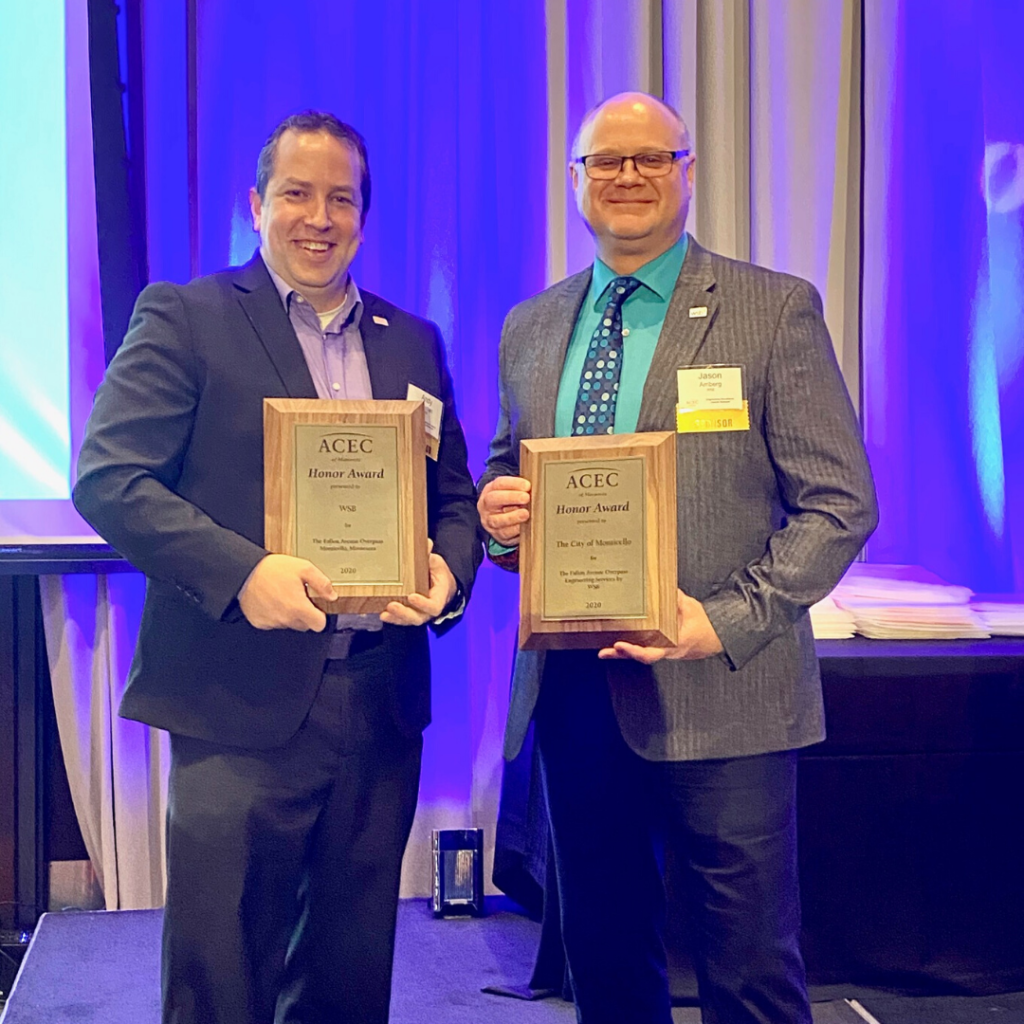
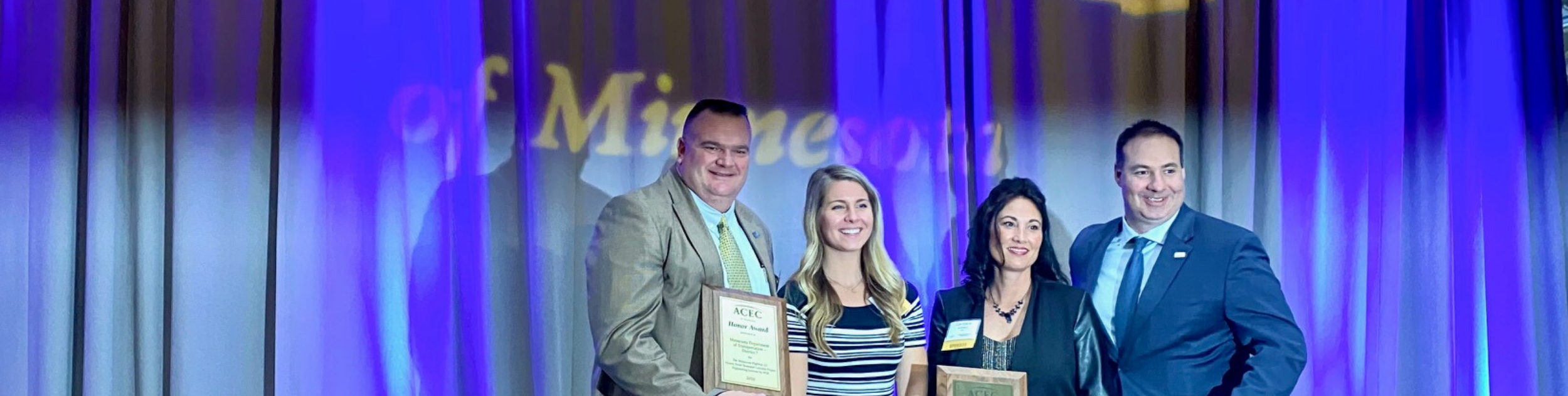
On Friday, January 24, the American Council of Engineering-Minnesota (ACEC-MN) awarded WSB two Honor Awards for the Fallon Avenue Overpass and Minnesota Highway 52: Victory Drive Memorial Corridor at the 53rd Annual Excellence in Engineering Awards Banquet in Brooklyn Park.
The Engineering Excellence Awards Program recognizes engineering achievements that exhibit the highest degree of merit and ingenuity. Entries are based on originality and innovation; future value to the engineering profession; social, economic and sustainable design considerations; complexity and client expectations. Minnesota engineering firms across the state enter their most innovative projects and studies hoping to be recognized for the work they’ve done to make the state stronger.
The Fallon Avenue Overpass project is known as a bridge that connects the community. Situated along both sides of I-94, the Fallon Overpass serves as a major local connection in the city that improves transportation, economic development opportunities and public safety.
The project was conceived over two decades ago to provide a local gateway for growth and economic development for the community. Since 1994, the city of Monticello has experienced significant growth, and the Fallon Avenue Overpass provides a critical alternative crossing over I-94 to alleviate heavy traffic on Trunk Highway 25, which has approximately 40,000 vehicles per day, and CSAH 18. The over $9 million project included several project partners and required coordination of many stakeholders.
Minnesota Highway 52: Victory Drive Memorial Corridor
Along the shady stretches of Minnesota Highway 22, known locally as “Victory Drive,” 1,170 trees were planted to honor veterans from Beauford, Mankato and Mapleton. The trees represent the veterans who gave their lives in World Wars I and II.
The Minnesota Department of Transportation prioritized the total reconstruction of 11 miles of Victory Drive over two construction seasons, beginning in 2017. WSB was selected to complete preliminary and final design of the highway and the replacement of the bridge over the Cobb River, a popular canoeing route. During the project’s public outreach program, WSB’s Landscape Architectural Group was given the unique opportunity to work with the community to gather perspectives on how best to perpetuate the highway’s living veterans memorial for generations to come.
Related Insights
We’ve got our eyes on the horizon
Jake Newhall, Senior Project Manager, WSB
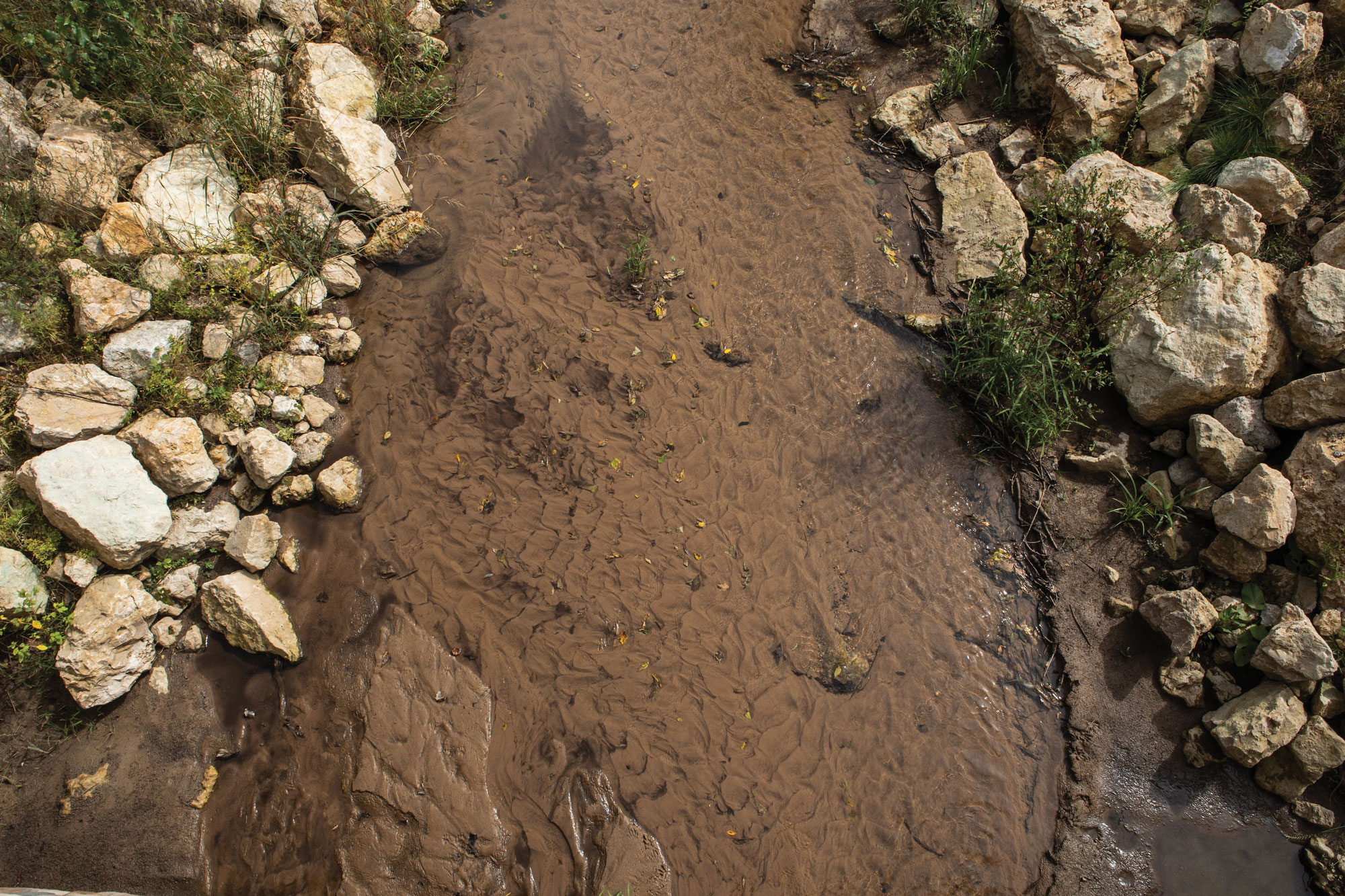
In early April 2020, the Minnesota Pollution Control Agency (MPCA) released revised SRVs for contaminated sediment. These revised values slightly relax regulations placed on sediment disposal. The graphic below compares the new regulations with the old regulations.
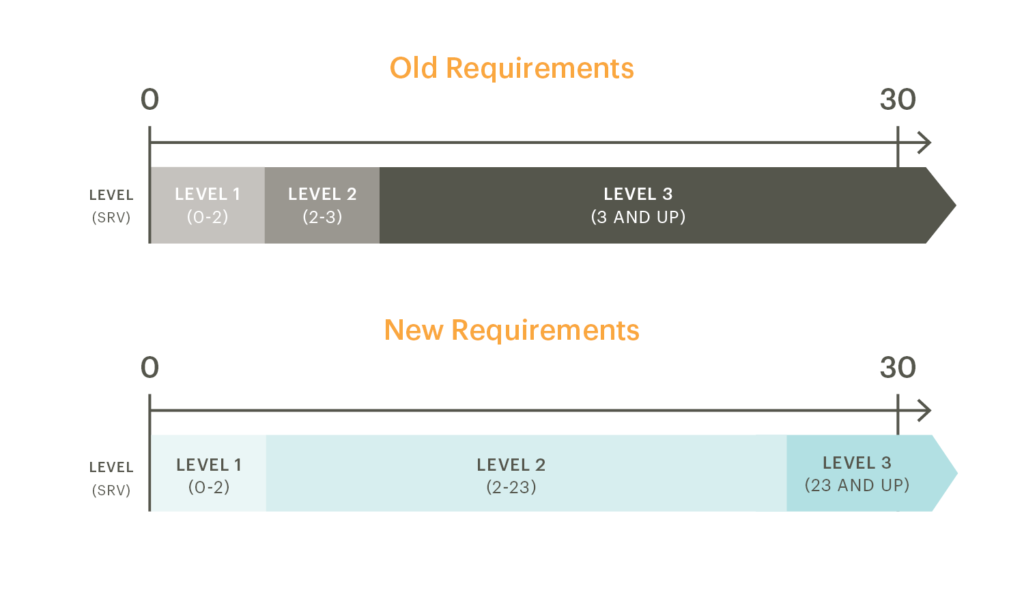
SRV levels indicate the concentration of polycyclic aromatic hydrocarbons (PAHs) that have accumulated in some stormwater pond sediments around the state. PAHs break down over time and can be transported via stormwater runoff.
The adjustment in regulations creates cost-saving opportunities when managing stormwater maintenance projects.
Jake has more than 15 years of engineering experience designing and managing many types of water resources projects, including modeling, planning, design, maintenance programs, and construction. Jake has worked with various municipalities, counties and state agencies to solve challenging water quality and water quantity problems.
[email protected] | 763.231.4861
Related Insights