September 2, 2026
By Jesse Penn, Senior Director, W/WW & Water Resources, WSB
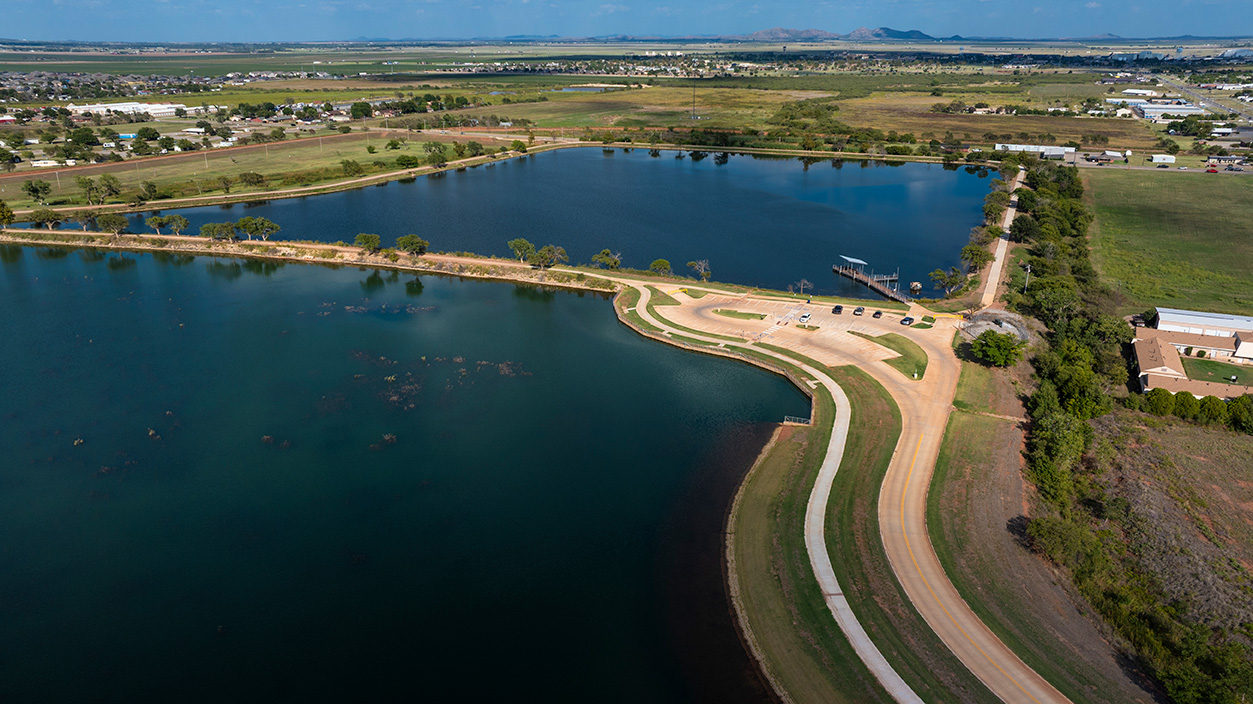
Water has always been essential to community growth, but today’s challenges are reshaping how cities and counties approach water management. Across the country, extreme heat and drought are placing greater demands on drinking water supplies, while severe storms and flooding are testing the capacity of aging infrastructure. These changing conditions are reinforcing the need for resilient water systems that not only meet today’s demands but also prepare communities for future uncertainty. Successfully addressing these challenges requires a comprehensive approach that considers water supply, wastewater, and stormwater as interconnected parts of the same system.
Effective water management begins with understanding how water moves through a community and how infrastructure performs under both everyday conditions and extreme events. Engineers work closely with public works departments, utility operators, planners, and community leaders to evaluate existing systems, identify risks, and develop long term strategies. By assessing infrastructure conditions, operational demands, regulatory requirements, and future growth projections, communities can make informed decisions that support reliability, sustainability, and responsible investment.
As communities seek to strengthen resilience, a variety of solutions can help address water related challenges. Water conservation programs, leak detection efforts, water audits, pressure management, and water reuse initiatives can help maximize available resources during periods of drought and high demand. At the same time, stormwater solutions such as storm ponds, drainage improvements, underground storage systems, and permeable pavement can help reduce flood risk, improve water quality, and protect critical infrastructure during increasingly intense rainfall events. Taking a proactive approach allows communities to address challenges before they become emergencies, reducing long term costs while improving system performance and reliability.
There is no one size fits all solution to water resilience. Every community faces different challenges, priorities, and resource constraints. When evaluating potential solutions, it is important to consider infrastructure age and condition, maintenance requirements, available funding, future development, regulatory obligations, and the potential impacts of changing weather patterns. A valuable first step is understanding how existing systems will perform under future conditions, allowing communities to identify vulnerabilities, prioritize investments, and proactively address issues before they become costly emergencies. The most successful strategies balance immediate needs with long term goals, ensuring infrastructure investments deliver lasting value for residents and taxpayers alike.
WSB partners with cities, counties, and utility providers to develop practical, forward thinking water infrastructure solutions. Our team evaluates system performance, identifies opportunities for improvement, and helps communities plan for both immediate needs and long term growth. We also help communities navigate local development processes and assess project impacts, supporting informed decision making, operational effectiveness, and the responsible use of public dollars. From water supply and wastewater systems to stormwater management and flood mitigation, WSB delivers engineering solutions that strengthen infrastructure, protect public investments, and help communities become more resilient in an ever changing environment.