September 24, 2026
By Tom Jenkins, Supervisor, Natural Resources, WSB
As an ecologist and project manager supporting sites across the Northwest, I’ve spent much of my career helping project teams navigate environmental requirements during construction. Time and time again, one lesson stands out: when nesting bird considerations are addressed early, projects tend to move more smoothly.
A Real-World Example: Gray’s Meadow
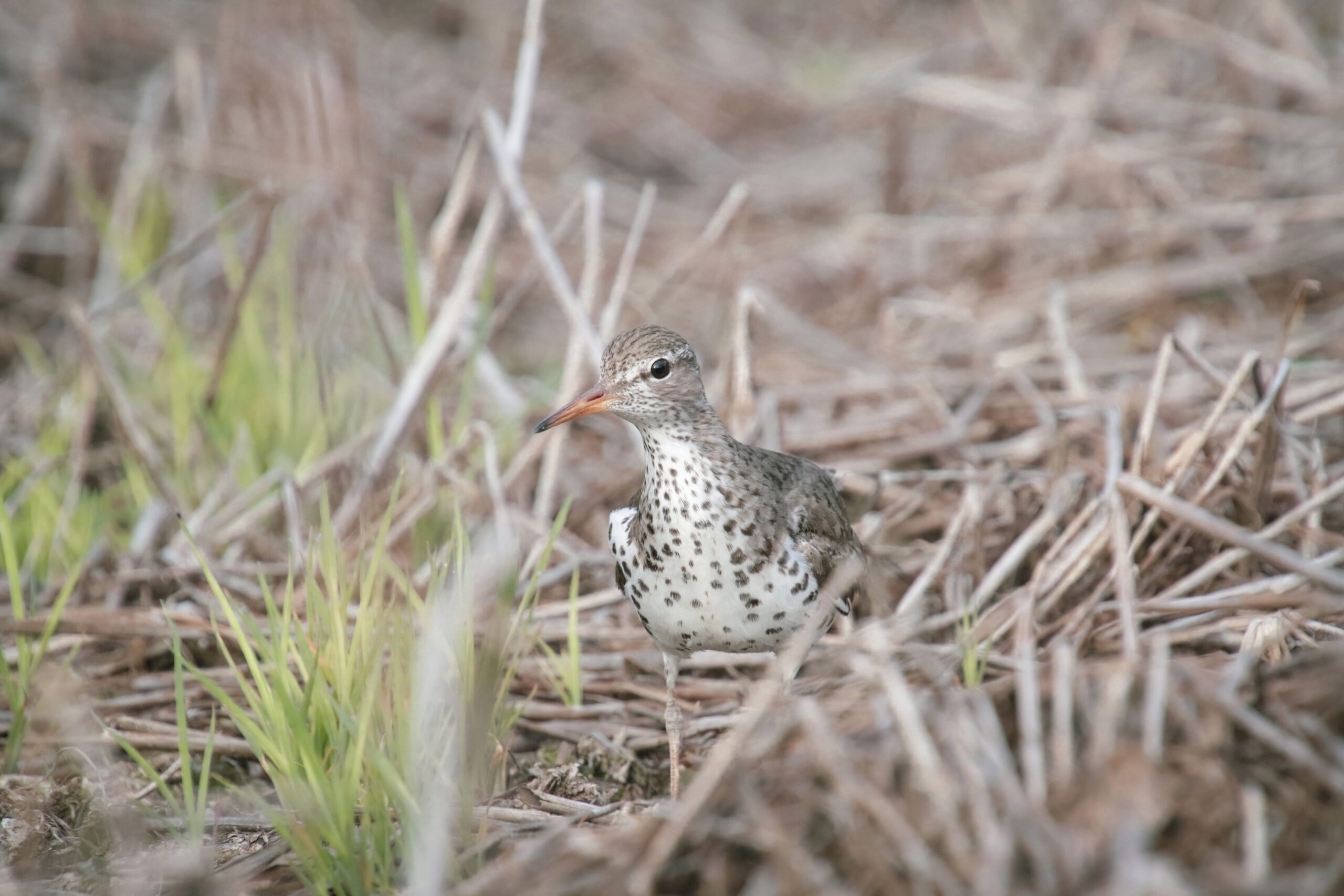
That lesson came into focus on the Gray’s Meadow Project in Idaho, a 700-acre site that required large-scale remediation and restoration work during migratory bird nesting season. Because the site was only accessible during the drier months, construction activities and nesting season would inevitably overlap. Given the size of the project, relying on traditional weekly bird surveys across the entire site would have been costly and difficult to coordinate with active construction.
To create a more practical approach, the project team worked closely with the owner, designers, and contractors before construction began to identify likely nesting areas, understand upcoming construction activities, and plan for potential conflicts. This approach allowed survey efforts to focus on areas with the highest potential for nesting activity and when birds were most likely to be present.
The result was a more efficient process that reduced field effort, controlled costs, and helped construction stay on schedule without compromising environmental commitments. Just as importantly, it demonstrated that bird surveys can provide tangible project value when they are used to inform planning and decision-making rather than simply satisfy regulatory requirements.
Bird Surveys as a Planning Tool
Gray’s Meadow is not unique. Whether supporting remediation, infrastructure, or land development projects, the best outcomes occur when ecological expertise is incorporated early in project planning.
By understanding habitat conditions, identifying potential nesting conflicts, and planning proactively, project teams can address challenges before they become schedule impacts. Projects move more smoothly, risks are reduced, and nesting-season constraints become easier to manage. In that sense, bird surveys are not just a compliance activity. They are a practical planning tool that helps teams deliver successful projects.