Insights
Landscape Architecture: Where Engineering, Community, and Sustainability Meet
August 5, 2026
By Jason Amberg, Director, Landscape Architecture, WSB
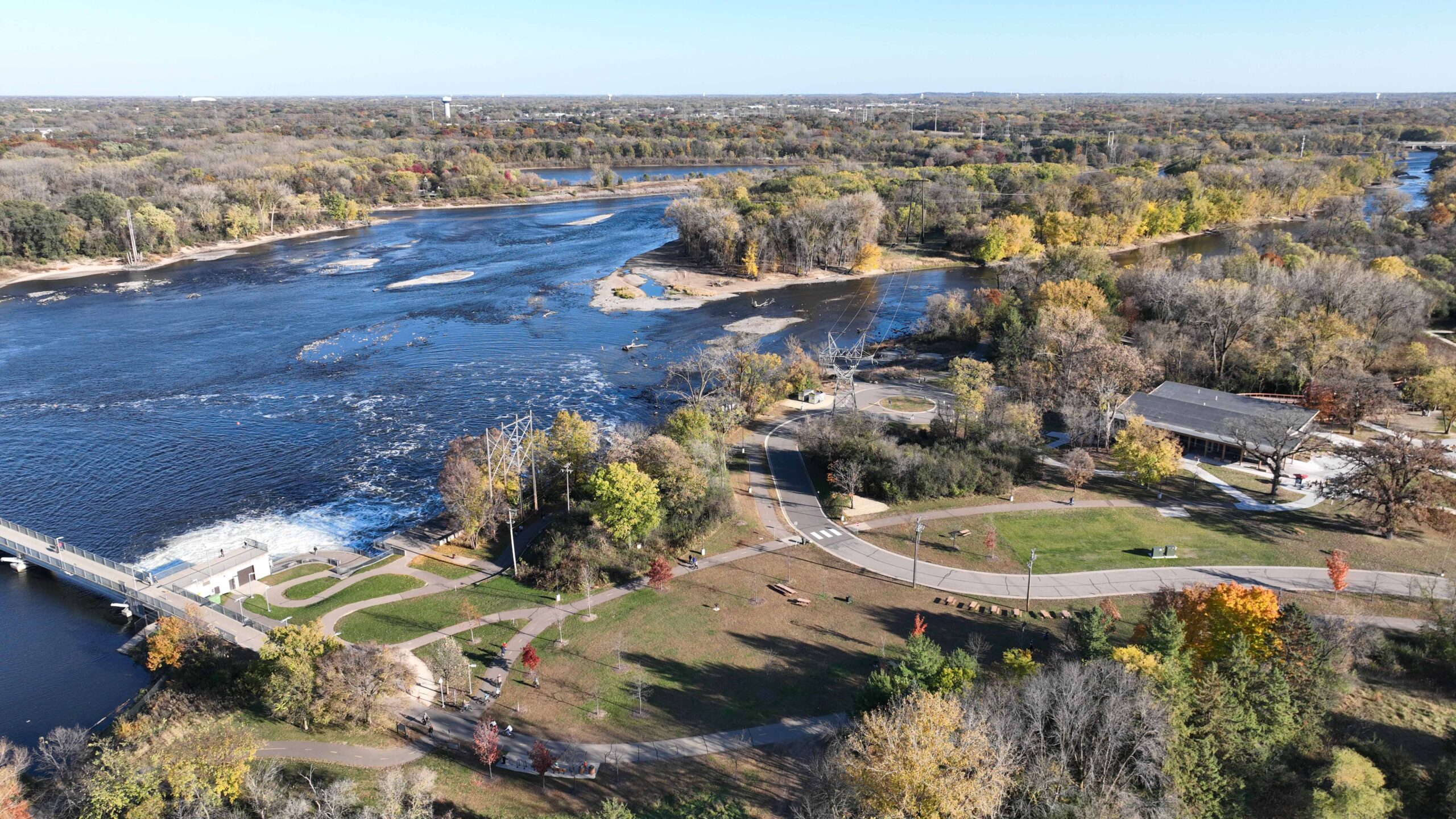
Landscape architecture is far more than the design of parks and green spaces. It is a critical discipline that shapes how communities function, grow, and thrive. For cities and counties, landscape architecture serves as the design framework that integrates infrastructure, engineering, environmental stewardship, and community development into a cohesive vision. When incorporated from the outset of a project, landscape architecture guides decision-making, enhances resilience, and creates lasting public spaces that are functional, sustainable, and responsive to the needs of residents for generations.
Successful landscape architecture begins with understanding how people and infrastructure interact with the natural environment. By working closely with engineers, planners, and community stakeholders, landscape architects help address challenges such as stormwater management, erosion control, accessibility, and long-term maintenance. Site conditions, including topography, drainage patterns, soils, and vegetation, all play a role in shaping solutions that balance performance with aesthetics.
As communities face growing environmental challenges, landscape architecture is playing an increasingly important role in resilience and sustainability efforts. Green infrastructure, native plantings, urban tree canopies, and restored natural areas help manage stormwater, improve water quality, reduce heat impacts, and support local ecosystems. At the same time, parks, trails, streetscapes, and public gathering spaces promote physical activity, social interaction, and overall community well-being, transforming infrastructure investments into lasting community assets.
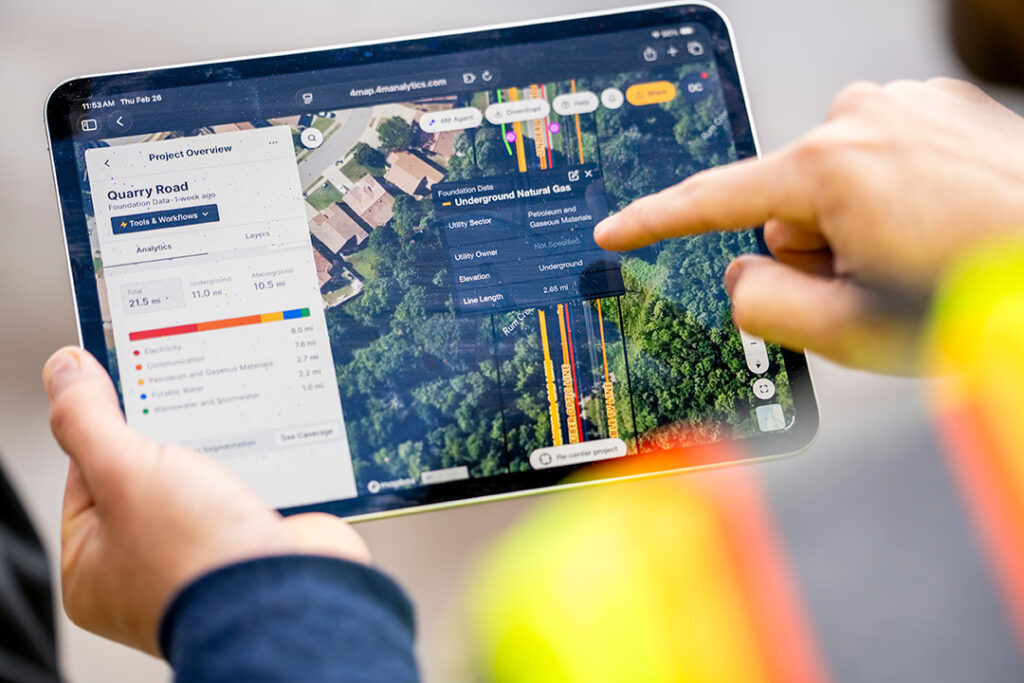
Technology is also helping communities make smarter decisions about outdoor spaces. Data-driven design tools can evaluate long term performance, maintenance needs, water use, and environmental impacts before construction begins. This approach helps maximize public investments while creating spaces that are adaptable, efficient, and responsive to future needs.
WSB partners with cities, counties, and state agencies to plan, design, and create outdoor environments that strengthen communities and enhance everyday experiences. Our landscape architects lead the vision for parks, trails, streetscapes, waterfronts, public gathering spaces, and mixed-use developments, integrating community goals, environmental stewardship, mobility, and placemaking into every project. Working collaboratively with engineers, planners, public officials, and stakeholders, we deliver solutions that balance technical performance with exceptional user experience. Through thoughtful design and strategic planning, WSB creates resilient, sustainable places that improve quality of life and foster vibrant communities where people want to live, work, and visit.