September 23, 2026
By Tarita Harju, Manager, Natural Resources, WSB
Bridge projects across the Northwest are essential, not simple. Agencies balance limited budgets, tight construction windows, evolving regulations, and a growing need for infrastructure investment. With one in three U.S. bridges requiring repair or replacement, minimizing schedule and budget risks is more important than ever.
One risk that can be managed early is migratory bird compliance.
Requirements under the Migratory Bird Treaty Act (MBTA), nesting bird surveys, threatened and endangered species reviews, and NEPA can all affect construction timing and project delivery. For federally funded bridge projects, these considerations are a routine part of environmental review and permitting.
Planning Makes the Difference
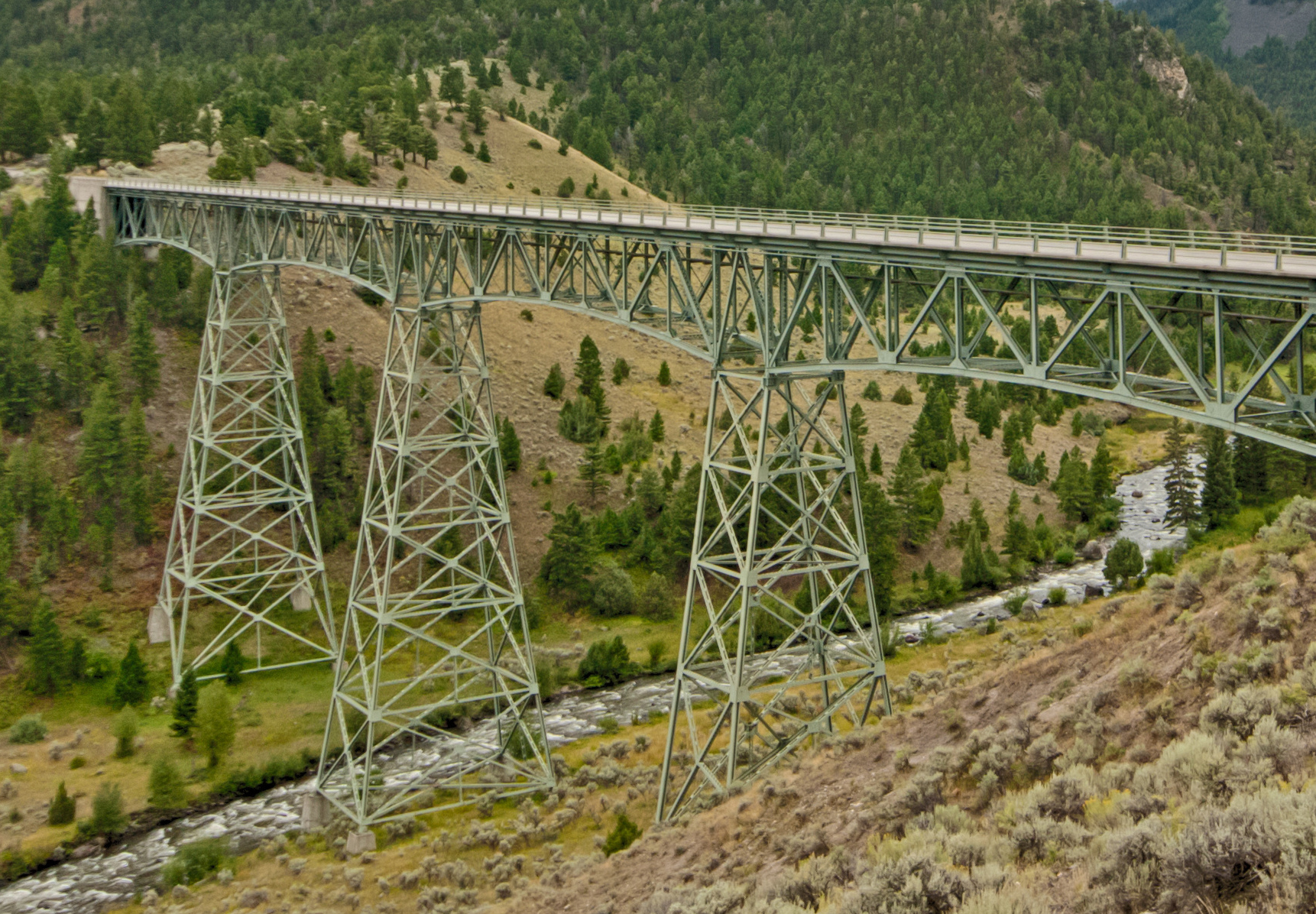
A great example comes from the Gardner River High Bridge. This historic steel truss bridge in Yellowstone National Park is undergoing a major rehabilitation to replace its aging lead-based paint system, concrete approach spans, joints, and guard walls – helping to preserve the structure and extend its service life. Because the bridge and surrounding canyon provide ideal nesting habitat for swallows, ravens, and other protected birds, WSB was brought in to develop a Migratory Bird Deterrent Plan and provide daily biological monitoring throughout construction.
That early planning proved critical when repeated nesting attempts by migratory birds were avoided by onsite deterrent measures. With species-specific buffers, stop-work protocols, and escalating deterrent measures already in place, the team quickly adapted, allowing construction to continue in other work areas and helping the contractor avoid an unplanned shutdown. WSB biologists documented protected species and coordinated closely with federal and park agencies to ensure compliance, demonstrating how proactive environmental planning kept complex infrastructure projects moving forward while protecting wildlife.
Four Ways to Reduce Risk
The Gardner River project demonstrated a simple reality: when migratory bird considerations are addressed early, they become manageable challenges rather than costly surprises. This approach can help teams reduce risk and maintain schedule certainty.
- Survey early to identify bird activity during project scoping or preliminary design.
- Understand nesting locations and species-specific behaviors before construction schedules are finalized.
- Build requirements into the schedule, including seasonal restrictions, deterrent measures, and contingency planning.
- Monitor during construction to maintain compliance and address issues before they affect project delivery.
Think Beyond Compliance
The most successful bridge projects approach migratory bird compliance as part of project delivery. When environmental requirements are addressed early, they become manageable components of a more predictable construction program, helping agencies reduce risk, maintain schedules, and keep critical bridge improvements moving forward without adverse impacts on wildlife.