Insights

What Keeps Public Works Directors Up at Night

Public Works Directors are under increasing pressure to do more with less, or more with no more, maintaining infrastructure, supporting growing communities, and meeting rising expectations with limited resources. These challenges are familiar, including staffing shortages, limited funding, aging assets, and rising resident expectations, but the path forward is becoming clearer. Communities that are succeeding are not just reacting to these issues; they’re adopting integrated, practical solutions that strengthen operations today while preparing for the future. Staffing shortages continue to impact daily operations and long-term planning. Many agencies are struggling to replace retiring staff and compete for talent. To address this, organizations are thinking beyond traditional hiring by: · Leveraging staff augmentation to fill immediate gaps with experienced professionals · Building partnerships with consultants to extend internal capacity · Implementing processes and technology that reduce manual workload This approach allows teams to stay productive without overextending existing staff, while maintaining continuity on critical projects. Infrastructure funding remains a persistent challenge, especially as project costs rise and funding sources become more competitive. Communities are finding success by taking a more strategic approach to funding, including: · Proactively identifying and pursuing grant and funding opportunities · Aligning capital improvement plans with funding eligibility requirements · Using data to clearly communicate needs and justify investments With the right strategy, funding becomes less reactive and more predictable, helping agencies move important projects forward with confidence. At the same time, managing aging assets requires a shift from reactive maintenance to proactive planning. Many municipalities are adopting asset management systems that provide visibility into infrastructure condition, lifecycle, and risk. This enables better prioritization and smarter budgeting. Instead of responding to failures, Public Works teams can anticipate needs, extend asset life, and reduce long-term costs. Finally, resident expectations are higher than ever. Communities expect transparency, responsiveness, and clear communication about how decisions are made. Leading agencies are prioritizing public engagement strategies that keep residents informed and involved whether through digital tools, community outreach, or clear project communication. When residents understand the value of infrastructure investments, trust grows and support follows. The most effective solutions bring all these elements together combining people, funding, technology, and communication into a cohesive strategy. That’s where WSB provides real value. WSB supports cities and counties with: · Staff augmentation to strengthen teams and maintain project momentum · Grant and funding assistance to secure and maximize available resources · Asset management systems that improve decision-making and long-term planning · Public engagement strategies that build trust and keep communities informed Public works departments don't have to tackle these challenges alone. WSB partners with municipalities to provide staff augmentation, funding and grant support, asset management solutions, and public engagement services that help communities operate more efficiently and plan for the future. Reach out to WSB to learn how we can support your team and community goals

August 3, 2026

By Eric Dargan, Director of Municipal Strategy, WSB

Public Works Directors are under increasing pressure to do more with less, or more with no more, maintaining infrastructure, supporting growing communities, and meeting rising expectations with limited resources. These challenges are familiar, including staffing shortages, limited funding, aging assets, and rising resident expectations, but the path forward is becoming clearer. Communities that are succeeding are not just reacting to these issues; they’re adopting integrated, practical solutions that strengthen operations today while preparing for the future.

Staffing shortages continue to impact daily operations and long-term planning. Many agencies are struggling to replace retiring staff and compete for talent. To address this, organizations are thinking beyond traditional hiring by:

  • Leveraging staff augmentation to fill immediate gaps with experienced professionals
  • Building partnerships with consultants to extend internal capacity
  • Implementing processes and technology that reduce manual workload

This approach allows teams to stay productive without overextending existing staff, while maintaining continuity on critical projects.

Infrastructure funding remains a persistent challenge, especially as project costs rise and funding sources become more competitive. Communities are finding success by taking a more strategic approach to funding, including:

  • Proactively identifying and pursuing grant and funding opportunities
  • Aligning capital improvement plans with funding eligibility requirements
  • Using data to clearly communicate needs and justify investments

With the right strategy, funding becomes less reactive and more predictable, helping agencies move important projects forward with confidence.

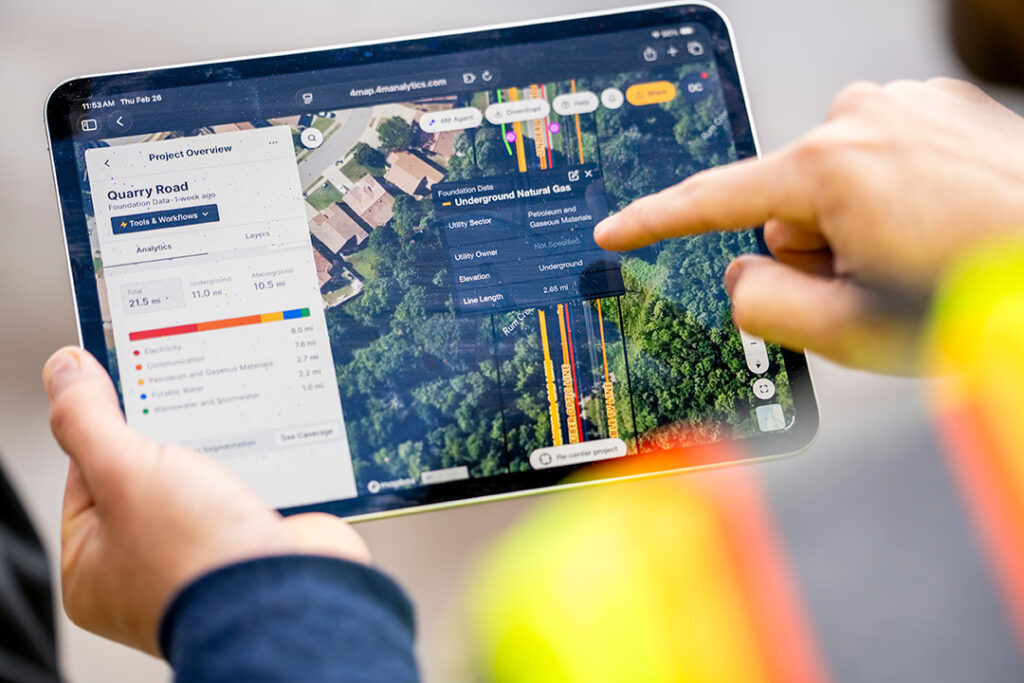
At the same time, managing aging assets requires a shift from reactive maintenance to proactive planning. Many municipalities are adopting asset management systems that provide visibility into infrastructure condition, lifecycle, and risk. This enables better prioritization and smarter budgeting. Instead of responding to failures, Public Works teams can anticipate needs, extend asset life, and reduce long-term costs.

Finally, resident expectations are higher than ever. Communities expect transparency, responsiveness, and clear communication about how decisions are made. Leading agencies are prioritizing public engagement strategies that keep residents informed and involved whether through digital tools, community outreach, or clear project communication. When residents understand the value of infrastructure investments, trust grows and support follows.

The most effective solutions bring all these elements together combining people, funding, technology, and communication into a cohesive strategy. That’s where WSB provides real value. WSB supports cities and counties with:

  • Staff augmentation to strengthen teams and maintain project momentum
  • Grant and funding assistance to secure and maximize available resources
  • Asset management systems that improve decision-making and long-term planning
  • Public engagement strategies that build trust and keep communities informed

Public works departments don’t have to tackle these challenges alone. WSB partners with municipalities to provide staff augmentation, funding and grant support, asset management solutions, and public engagement services that help communities operate more efficiently and plan for the future. Reach out to WSB to learn how we can support your team and community goals

Portrait of Eric Dargan

Eric Dargan is WSB’s Director of Municipal Strategy, helping cities and counties identify practical solutions to deliver and maintain critical infrastructure. With more than 20 years of experience in municipal operations, Eric brings deep expertise in infrastructure management, public service, and strategic planning. He works closely with communities to address operational challenges, strengthen local partnerships, and improve long-term outcomes for residents

713.301.6919
WSB Staff working in the lobby of the WSB headquarters.

Discover Our Difference

We partner with our clients and communities to build what’s next in infrastructure – the places, spaces, and systems that support our lives.