Projects
City of Austin – Williamson Creek Wastewater Interceptor Improvements
Location:
Austin, TX
Expertise:
Community, Construction, Environment
Services:
City Engineering, Investigation & Remediation, Water/Wastewater
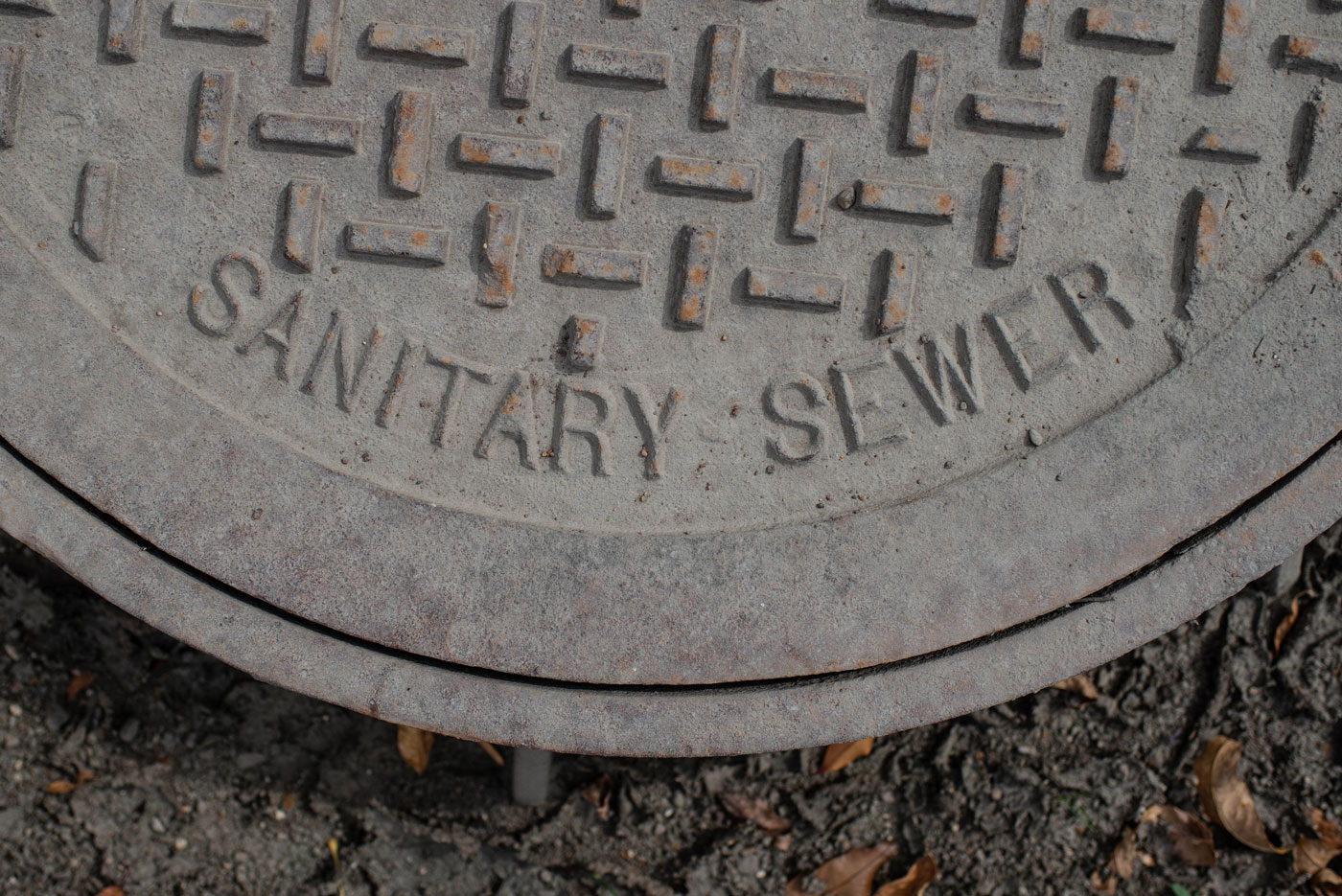
Austin Water identified the need to increase capacity within the Williamson Creek Interceptor to accommodate growing wastewater flows and eliminate sanitary sewer overflows (SSOs). The existing 36-inch and 42-inch segments, dating back to 1963, are at capacity during heavy rain events. Coupled with unprecedented growth in the Williamson Creek Basin, upgrading this 50-year-old facility is critical to ensuring reliable service for residents.
The recommended solution includes construction of an 18,000-foot, 72-inch diameter tunneled pipeline, rehabilitation of 3,000 feet of existing interceptor, and abandonment or removal of outdated facilities. The alignment traverses a highly visible, environmentally sensitive riparian and wetland corridor in South/Central Austin.
As the prime consultant, WSB completed preliminary engineering and transitioned into final design. During preliminary engineering, the team reviewed historic project documents, conducted multi-sensor condition assessments, and performed hydraulic analyses. They prepared flow projections, evaluated construction methods, and carried out route analysis to determine the final alignment, which includes 27 cutover main connections. Additional efforts included assessing easement requirements and land use, completing preliminary utility investigations and geotechnical assessments, and mapping environmental constraints. WSB also identified endangered species and critical environmental features, developed a comprehensive phasing plan, and prepared both the construction schedule and cost estimate.
WSB will continue to lead efforts to deliver a solution that meets Austin Water’s goals for capacity, reliability, and environmental stewardship.