December 4, 2024 By Amy Fredregill, Sr Director of Sustainability, WSB
We would like share news about three upcoming resiliency grant opportunities that can help cities in Minnesota advance their strategic plans, reduce costs and risks, and provide new services to stakeholders.
MN Pollution Control Agency Local Climate Action Grant
The MN Pollution Control Agency (MPCA) has opened applications for the Local Climate Action (LCA) grants. There are two types of grants available: a climate action planning grant and a climate action implementation grant. These grants are available to local governments, Tribes, community-based nonprofits, and schools working on projects to reduce climate pollution and prepare communities for climate change impacts.
The planning grant focuses on developing local action plans to combat and adapt to climate change, including community-wide greenhouse gas emissions data collection through the Regional Indicators Initiative at no cost. The implementation grants fund projects that execute existing climate or sustainability plans, aiming to increase community resilience to climate change and reduce contributions to it.
The maximum grant award for both programs is $50,000, with a match requirement based on community population size. Communities with populations under 20,000 need to match 5% of the grant amount, while those with populations of 20,000 or more need to match 50%. Applications are due by January 9, 2025.
MPCA Community Resilience Implementation Grant
The MPCA is also offering $5 million in grants for non-stormwater and non-wastewater projects to enhance community resilience to climate change. Eligible projects include extreme heat mitigation, hardening public assets against extreme weather, upgrading resilience hubs, improving transportation alternatives, wildfire resilience, public water supply projects, and climate resiliency upgrades to publicly owned housing or community storm shelters. Applications are due by December 19, 2024.
Geothermal Planning Grants
The Minnesota Department of Commerce is launching a new grant program to provide financial assistance for examining the feasibility of geothermal energy systems. Grants of up to $150,000 are available for planning geothermal systems that heat and cool buildings. Eligible applicants include counties, cities, townships, and the Metropolitan Council. The program will launch by the end of 2024, with a public webinar scheduled for December 16, 2024.
Next Steps
At WSB, we specialize in helping communities secure funding and grant opportunities through competitive applications, innovative partnerships, and cost-effective approaches. Recently, we assisted a tribe in securing $5 million from the EPA for a Climate Pollution Reduction Grant and helped a city obtain a Solar on Public Buildings grant. Let us know how we can assist you in securing funding to advance your goals.
Amy has nearly 25 years of experience across many industries, particularly energy and agriculture, in the public, private and nonprofit sectors. This experience has provided Amy with a broad background that enables her to meet community and business needs based on the business case for sustainability. By working across interesting systems to simultaneously advance environmental, economic and social goals, she is able to uncover creative solutions. Through her relationship-based approach, Amy meets the unique needs of communities and businesses by working with all areas of the firm to provide comprehensive solutions.
By Behnaz Beladi, Director of Renewable Energy, WSB
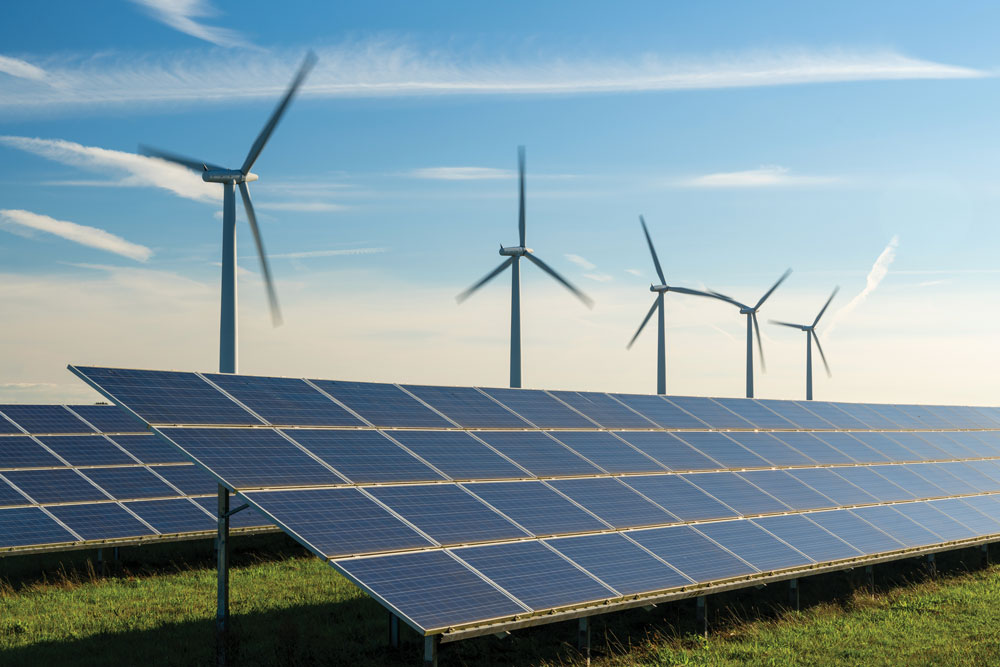
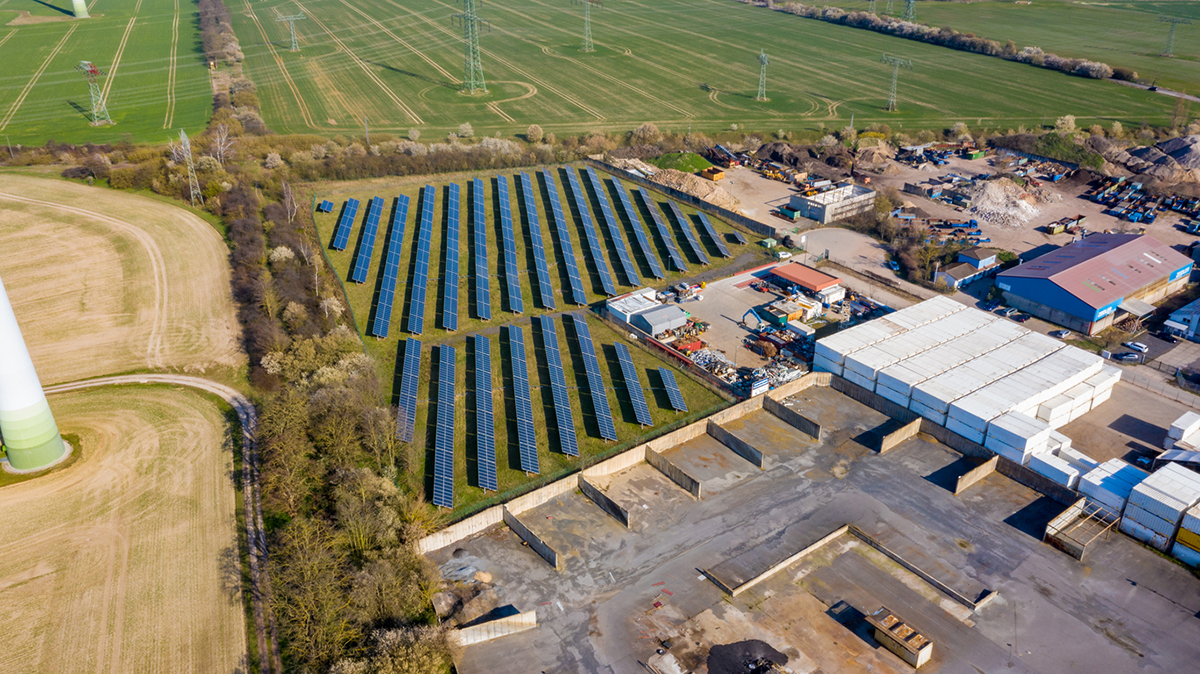
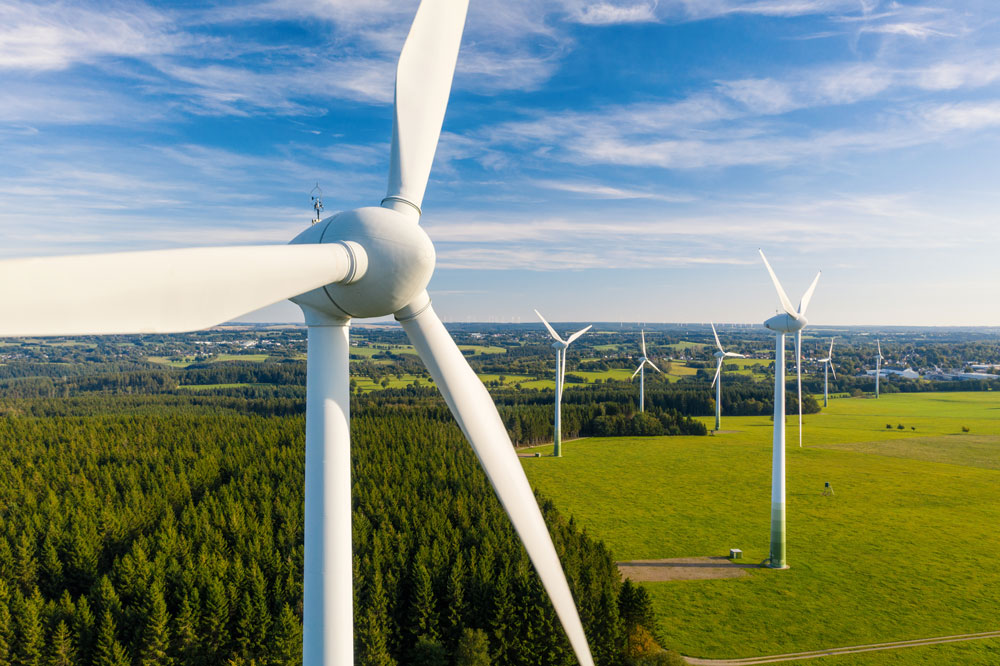
The month of April is dedicated to raising awareness about sustainability and protecting our environment. In line with this goal, WSB’s dedicated Renewables Team is actively involved in furthering this initiative by aiding in the development, design and construction of clean renewable energy projects. From initial surveying to permitting, design and construction services, WSB provides a comprehensive range of expertise and support for clean energy projects nationwide.
Empowering Renewable Expansion: WSB’s Comprehensive Service Offerings and Growth With a growing interest in renewable energy and increased grant funding opportunities at the federal level, the WSB team expanded considerably to meet the needs of clients and communities. Over the last few years, the Renewables Team has grown from a few staff members to more than 45 staff helping implement diverse projects including wind, solar and Battery Storage, providing a wide range of services across project needs.
The range of services includes:
Survey
Environmental and Permitting
Geotech (certain states)
Civil Site Design
Hydrology
Right of Way (ROW)
Geographic Information Systems (GIS)
Construction Support
Visualization
Apart from Geotech, the range of services the renewables team provides doesn’t have geographic limitations. The WSB Renewable team can work with contractors to reduce installation costs by designing with construction in mind, automating construction processes by creating machine files for grading equipment, creating real-time grading as-builts and even troubleshooting grading equipment remotely to avoid unnecessary delays. These services have already contributed to the creation of renewable energy across the country that communities have come to rely on.
Powering Tomorrow: WSB’s Impact on Clean Energy Across the Nation
The clean energy projects that benefited from the services provided by WSB’s Renewables Team are already producing are going to produce considerable amounts of energy around the country. Over the last 2 years, our renewable team has designed over 5000 megawatts (MW) of renewable projects. For reference, the U.S. Energy Information Administration (EIA) reported that the average residential electric utility customer in 2022 used about 10,791 kilowatt-hours per year. A 9-kilowatt renewable system generates approximately 10,791 kilowatt-hours. Projects including solar, wind and battery storage are powering communities across the U.S., with more projects being designed and constructed as time goes on.
Energizing Communities: WSB’s Leadership in Renewable Energy Initiatives
WSB’s services thus far have empowered numerous renewable projects, enabling communities across the country to access the clean energy they seek. From large-scale wind, solar and battery storage projects to smaller community solar initiatives, WSB’s seasoned Renewables Team consistently delivers results. As renewables represent the future of our energy grid, WSB remains committed to leading the way in adopting cutting-edge technology and tools for a sustainable energy future. With five thousand Megawatts already achieved, this is just the outset of our journey.
Behnaz is a lead solar engineer and manager specializing in utility scale, commercial and residential solar design. She is mindful of and knowledgeable about all local state and federal environmental rules and regulations and adept at explaining complex technical engineering concepts clearly and accessibly to wide variety of professional and nonprofessional audiences.
May 13, 2024 By Behnaz Beladi, Director of Renewable Energy, WSB
Escalating environmental concerns and urbanization are driving a paradigm shift in city energy priorities, encouraging them to invest in sustainable solutions. Renewable energy offers a plethora of benefits including reduced greenhouse gas emissions, improved air quality and enhanced energy security. Transitioning to renewables presents an opportunity for cities to assert their commitment to sustainability while simultaneously reaping economic advantages through job creation and investment in clean technologies.
Key to this transition is the development of comprehensive renewable energy strategies tailored to the unique characteristics and needs of each city. These strategies encompass a multifaceted approach, incorporating policy initiatives, technological innovations, funding opportunities and community engagement.
Targeting Local Policy and Embracing Innovation
At the policy level, cities must enact ambitious targets and regulations to incentivize the adoption of renewable energy solutions. This may involve setting renewable energy mandates, implementing carbon pricing mechanisms and phasing out subsidies for fossil fuels. Additionally, cities can leverage their purchasing power to procure renewable energy for municipal operations and encourage private sector investment in clean city energy projects.
Technological advancements play a pivotal role in facilitating the integration of renewable energy into urban infrastructure as well. From solar panels and wind turbines to energy-efficient buildings and smart grids, cities have a myriad of options at their disposal to harness clean energy sources. Embracing innovative technologies not only reduces carbon emissions but also enhances energy efficiency and promotes a more resilient urban infrastructure.
Using Federal Investment Opportunities
Recent investments from legislation like the Infrastructure Investment and Jobs Act (IIJA) and the Inflation Reduction Act (IRA) grant cities new opportunities and room to maneuver. Some of these investments include $16.5 billion for the deployment of new transmission lines, $21.5 billion towards clean energy demonstration projects that are directed towards large projects that drive local and regional economies and $40 billion in loan authority for clean energy projects. These programs create new opportunities for cities to not only develop renewable and sustainable energy solutions, but also economic drivers for their communities.
However, these types of investments will not fund the entirety of any one project, and each grant will include a variety of requirements that first need to be met. Cities that incentivize the adoption of renewable energy solutions will set the groundwork necessary for the types of investments made available by federal legislation like the IIJA and IRA or from state agencies. Federal and state investments can be a boon to a city’s energy development plans.
Collaborating and Cooperating Across Communities and Industries
As cities transition to renewable energy, local community engagement is also incredibly important. Empowering residents through education, outreach and participation in decision-making processes fosters a sense of ownership and collective responsibility for sustainability initiatives. Community-led initiatives, such as neighborhood solar cooperatives and energy efficiency programs, can significantly contribute to the widespread adoption of renewable energy at the grassroots level.
Moreover, transitioning city energy towards renewable energy requires collaboration and cooperation across multiple stakeholders, including government agencies, businesses, academia and civil society organizations. By fostering partnerships and knowledge-sharing platforms, cities can leverage collective expertise and resources to overcome barriers and accelerate progress towards sustainability goals.
Challenges and How WSB Can Help Overcome Barriers
While there are numerous benefits in clean energy transitions for cities, there are also challenges. From policy barriers and technological limitations to financial constraints and community resistance, the path to achieving sustainable urban transformation is fraught with obstacles. However, WSB is uniquely positioned to help cities overcome these challenges and navigate the complexities of transitioning to clean energy.
For municipalities struggling to develop and implement policies that incentivize the adoption of renewables, WSB can provide invaluable expertise in policy analysis and development, helping cities design and enact robust regulatory frameworks that promote renewable energy deployment.
Technological barriers may also pose significant challenges to the widespread adoption of renewable energy in urban environments. WSB specializes in innovative engineering solutions, and we can work with cities to design and implement cutting-edge renewable energy technologies tailored to address the unique needs and constraints of urban infrastructure.
For cities exploring what renewable energy investments fit financially for their community, WSB can help by conducting feasibility studies, identifying funding sources and developing business models that maximize return on investment.
Finally, for those working to garner support and build community consensus for renewable energy projects, WSB specializes in stakeholder engagement, facilitating dialogue between local communities, government agencies and other stakeholders.
Overall, federal and state funding for renewable energy projects is spurring many cities toward exploring and investing in renewable energy. For cities unsure of where to start or for cities who need help navigating the complex nature of renewable energy projects, WSB brings together multidisciplinary experts with diverse skill sets and backgrounds to help cities address their unique challenges and chart a course toward a cleaner, greener and more prosperous future.
Behnaz manages the multi-disciplinary renewable energy team in project and program operations. She is an accomplished academic, with a PhD of Mechanical Engineering from the Technical University of Vienna, an associate of the North American Board of Certified Energy Practitioners (NABCEP) and has served on the board of the Minnesota Solar Energy Industries Association, advocating for policy and regulatory initiative’s that strengthen the industry.
January 15, 2024 By Amy Fredregill, Sr Director of Sustainability, WSB
Sustainability can be looked at as a three-legged stool, supported by environmental, economic, and social components. As the federal government provides resources for communities to drive sustainable solutions across the country, they are balancing those three pillars and building a more resilient future. The flow of federal dollars to community projects not only modernizes infrastructure and helps meet local needs, but it also can support priorities that address important issues like sustainability and climate change. The business case for sustainability could not have been stronger, by reducing cost and risk, meeting evolving needs of stakeholders, providing new services, staying competitive, growing workforce development opportunities and advancing public health and prosperity for all communities.
Looking to the future of infrastructure across the country, ensuring it is environmentally resilient, equitable and drives collaboration are three key priorities for federal policymakers. Partnerships are key to formulating solutions to some of society’s most complex challenges by advancing comprehensive, sustainable investments across systems such as water, energy, transportation, buildings and land use.
Passing Historic Federal Funding Packages
The Inflation Reduction Act (IRA) and the Infrastructure Investment and Jobs Act (IIJA) were signed into law in the past few years with the goal of delivering significant economic investment in infrastructure projects across the country by providing funding for sustainable solutions, while creating a more resilient and equitable future. These programs opened the door to help communities tackle systemic issues and include a diverse array of investments that will reshape our nation in the long-term. Here are just a few of the groundbreaking investments:
Infrastructure Investment and Jobs Act
$55 billion for water and wastewater infrastructure including replacing lead pipes
$1 billion to reconnect communities that have been divided by past infrastructure projects which primarily affected people of color
$110 billion for roads and bridges
$39 billion for public transportation
Inflation Reduction Act
40% of climate and energy spending benefitting disadvantaged communities
$3 billion in environmental justice grants for community-based organizations
$225 million for tribal climate resilience
$3.2 billion in grants to support projects that improve walkability, safety and affordable transportation.
Fostering Regional Collaboration
This infusion of federal funding for sustainable solutions nurtures greater collaboration and partnerships to strengthen the ability respond to challenges. Regional collaboration means those dollars have a bigger impact on sustainability and long-term change. These partnerships break down the walls across systems and sectors to prevent silos and open the door for strategic community investments.
Championing Diversity, Equity, and Inclusion
Another way that the federal government is driving sustainability is through environmental justice, equity and inclusion. With increased funding for traditionally underserved communities comes a renewed focus by the federal government to provide investments for low-income and Black, Indigenous, and People of Color (BIPOC) communities that have faced systemic challenges. For instance, 40% of funding from the IRA law is dedicated to environmental justice communities, ensuring community infrastructure investments are not only more sustainable, but more equitable as well.
Combating Climate Change & Building a Sustainable Future
Climate change is a significant threat to the American people, national security, the economy and communities are exploring how to adapt, invest and ensure projects will foster a sustainable future for the long-term. The building projects being funded by IRA and IIJA have created a new opportunity to strengthen our nation’s climate resiliency.
In particular, a few examples include green infrastructure that mimics nature, biological wastewater treatment that uses less chemicals, renewable energy, and electrification. These investments support the needs of local communities while also creating durable investments. These projects provide more tools in the toolbox for resiliency across different systems.
How WSB Can Help
With the recent influx of federal funding for sustainable solutions, the opportunity for cities to obtain meaningful investments in sustainable, resilient infrastructure projects is better than ever. But where do cities start and how can they build towards this future? WSB is here to help. Our experienced team can help communities develop a strategy and pursue success. From securing grant funding, cultivating meaningful partnerships, developing multi-year plans, crafting policy and designing clean technology, we are helping communities across the country navigate the best path forward for sustainable futures that meet the needs of residents, businesses and their broader communities’ long-term goals.
Amy has nearly 25 years of experience across many industries, particularly energy and agriculture, in the public, private and nonprofit sectors. This experience has provided Amy with a broad background that enables her to meet community and business needs based on the business case for sustainability. By working across interesting systems to simultaneously advance environmental, economic and social goals, she is able to uncover creative solutions. Through her relationship-based approach, Amy meets the unique needs of communities and businesses by working with all areas of the firm to provide comprehensive solutions.
July 25, 2025 By Saeed Sobhi, Regional Design Manager, WSB
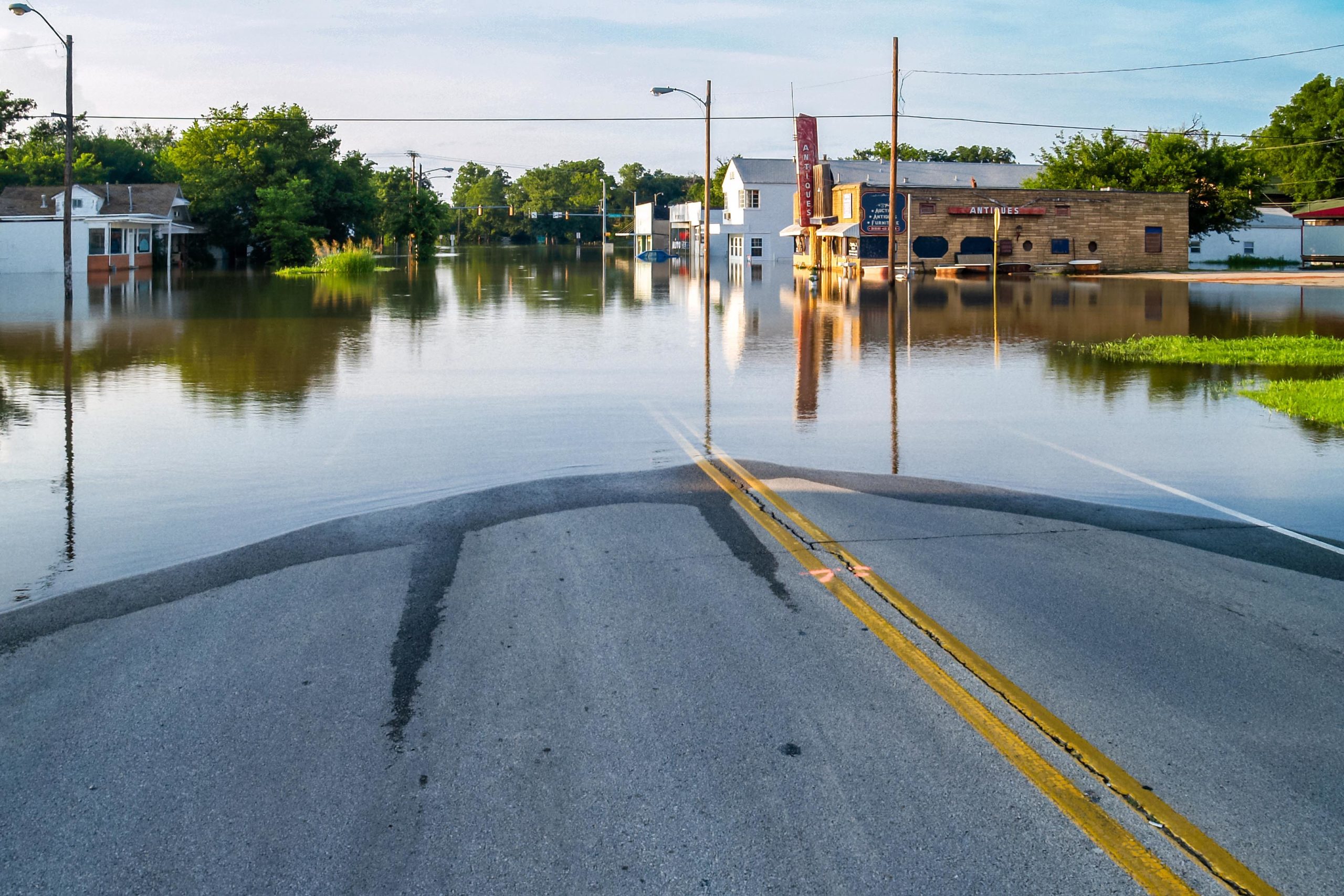
Emergencies will happen. Disasters will happen. Communities must have thorough plans in place to prepare for and respond to a multitude of potential emergencies, ensuring public safety and preservation of property.
As communities face more extreme weather and other events such as fire, flooding, and mudslides, exploring resiliency and sustainability of assets and advance planning in emergency response and evacuation are critical. Will a road or a bridge need to be expanded? Are current facilities like local schools capable of providing shelter during an emergency? If tragedy strikes, and thousands of vehicles need to go through one road to evacuate, can that path handle the strain? Are communication tools and protocols in place to effectively and efficiently notify residents to give them instructions? Do response agencies have the proper tools and resources? Properly developing emergency response and traffic management plans are critical to safety.
Here are some ways that communities can think about building robust emergency response plans that are smart and sustainable.
Think About Roadways
Just as the average student grows up learning where to go during a fire drill, a community needs a clear picture of how to respond in case of an emergency. This is where an emergency response plan comes in.
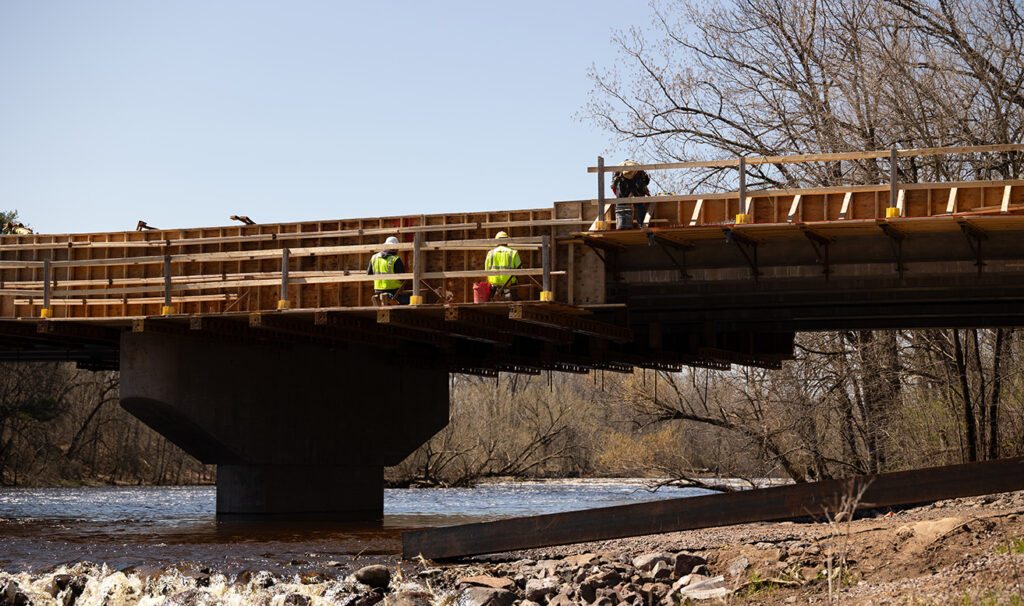
Using Colorado as an example, communities faced severe natural fires, flooding, and mudslide events that required extensive response work and evacuations. Communities in mountainous regions are especially susceptible as a severe mudslide or forest fire can cut off road access or threaten communities. The size of these events and the damage they can cause has led more communities to recognize the need for sustainability and resiliency measures both to defend themselves from climate related disasters, but also to attempt to prevent future events. Proper design, routine inspection and systematic maintenance of roads and bridges is a key component of preparedness.
Preparedness also requires detailing clear evacuation routes and easily accessible paths for emergency responders. Making note of not only the best currently available paths, but also what areas may be improved or expanded. If a bridge is built to include additional lanes for traffic, would it become a higher priority evacuation route? Also, are there roads where counterflow can be implemented to expedite evacuation? Having a detailed perspective of the roadway system and its capabilities is tantamount in emergency planning.
Navigate Available Facilities and Capabilities
Environmental threats can come in a wide variety of forms like power outages during freezing temperatures, wildfires that encroach on communities, or heavy rains that flood residential areas. These environmental hazards, among others, are affecting people and communities all over the country. One matter that all these things have in common is what happens once people have evacuated. These abnormal weather events have revealed a greater need for facilities that can handle the needs of evacuees and are designed with the goal in mind of weathering the storm.
Emergency plans need to include the capabilities for people to reach shelter, but also the ability for facilities to handle becoming a shelter. Event centers, schools, and other public buildings are evaluated on how many people they can accommodate as an impromptu evacuation shelter. Do the facilities have enough capacity and the necessary amenities like cooling or heating systems? Knowing a facility can provide space and heating when a nearby residential area faces power outages in subzero temperatures will be a life saver.
Collaborate to Build Success
The resilience of emergency planning requires collaboration across local governments. The different stakeholders in the development of an emergency plan include local city government, city emergency responders like police and fire rescue, the state’s department of transportation, neighboring municipalities that share the primary roads and bridges used during evacuations, and counties for when the plans extend beyond the reach of one individual community.
Collaborative efforts come in the forms of understanding what equipment is available for communicating during emergencies or for emergency responders to properly respond. On many occasions the local department of transportation holds jurisdiction over specific roadways or can aid in developing plans for parking and access to highways. These evacuation zones can be made digital so communication is fluid through the various agencies and the residents affected can be notified as soon as possible.
Additionally, the business community and private transportation providers must be engaged. These entities are affected by significant events and may be able to provided resources for the response.
How WSB Can Help
With more attention being placed on sustainability and eco-friendly construction projects, attention should be given to maintaining and improving resiliency for the growing number of extreme weather events. From designing sustainable infrastructure to helping communities create in-depth emergency management plans, WSB is here to help.
Our team has rich experience covering a variety of specialties that can help communities prepare. Our team has meaningful experience developing and supporting implementation of incident management plans and emergency traffic management response plans, as well as facilitating collaboration and consensus building among stakeholders.
Saeed Sobhi is the Director of Traffic Engineering at WSB, based in Denver, Colorado. With a leadership role in the Traffic department, Saeed oversees a multidisciplinary team of engineers and specialists focused on advancing traffic systems and infrastructure. His direct reports include experts in traffic modeling, intelligent transportation systems (ITS), emergency response planning, and CAD management, reflecting the breadth of his oversight and technical influence.
September 18, 2023 By Behnaz Beladi, Director of Renewable Energy, WSB
WSB knows the importance of creating resilient and sustainable cities that prioritize the needs of its residents while preserving the environment. Smart cities that utilize technology to collect data and improve operations are crucial in advancing toward a more sustainable future. Renewable energy has emerged as a critical strategy in achieving this goal and is being implemented and managed in various ways across smart cities.
Here are several key benefits and challenges of implementing renewable energy in smart cities:
Reducing Emissions
An important benefit of using renewable energy in smart cities is that it helps reduce carbon emissions. By using distributed energy resources such as wind and solar power, smart cities work towards reducing their carbon footprint to zero. This helps the environment and makes the city a desirable place to live and work.
Economic Growth
One of the most significant benefits of renewable energy in smart cities is the potential for economic growth. Affordable and reliable renewable power can attract and retain companies, provide green jobs, and encourage entrepreneurship and innovation through renewable business incubators.
Quality of Life
Public health and safety can be improved through emission free cities. Renewable energy increases the quality of life for residents, particularly those in lower-income households. Inclusivity is promoted by providing access to renewable resources and grants to help cover the costs for low-income residents. Furthermore, residents can be paid to redistribute excess energy back into the grid, providing additional financial support to those needing it.
Challenges
Despite these benefits, there are still challenges to implementing renewable energy in smart cities. To sufficiently leverage renewable sources, a great deal of new transmission infrastructure is required. Power transmission infrastructure was built with large fossil fuel plants and nuclear plants in mind. This raises issues for renewable energy sources not located near existing infrastructure. In fact, some areas with little or no infrastructure, such as off-shore wind farms, are some of the best hopes for sources of renewable energy. In some cities, it may be more difficult to build power plants due to geography, regulations and policies, or issues with constructability. However, through technology and innovation, WSB helps cities find ways to utilize existing infrastructure while being incredibly cost-effective in the long run. This includes incorporating smart EV chargers into commercial buildings and condominiums, helping with solar needs for residential or commercial buildings, and designing wind and solar power plants for cities and utilities.
How WSB Can Help
Renewable energy is an essential component of any smart city. By reducing carbon emissions, driving economic growth, and improving the quality of life for residents, renewable energy is helping to create cities of the future. As more communities adopt renewable energy practices, WSB is here to help design and build new infrastructure or incorporate renewable energy sources into existing infrastructure.
Behnaz manages the multi-disciplinary renewable energy team in project and program operations. She is an accomplished academic, with a PhD of Mechanical Engineering from the Technical University of Vienna, an associate of the North American Board of Certified Energy Practitioners (NABCEP) and has served on the board of the Minnesota Solar Energy Industries Association, advocating for policy and regulatory initiative’s that strengthen the industry.
By Amy Fredregill, Sr. Director of Sustainability, WSB
In honor of Earth Month 2023, Amy Fredregill, Sr. Director of Sustainability, discusses the way we are advancing sustainable outcomes through our work. At WSB, we believe there can be a sustainability lens to every project. Earth Day is the perfect time to reflect on the impact we can make with our client projects and operations to create a more prosperous, resilient future.
What does a sustainable community look like, and how does our work support it?
Sustainability is like a three-legged stool, it balances economic, social and environmental issues. Overall, a sustainable approach meets the needs of the current generation as well as future generations— encompassing both short- and long-term goals. Sustainability is unique to each project, based on the business case and objectives of the effort, which is what makes this work so innovative.
Can you describe what sustainability in infrastructure development means and its importance?
Sustainability can be seen in infrastructure in electric and water utilities, roads, trails and electric vehicle charging infrastructure, to name a few. We are increasingly being asked to look at our infrastructure developments in new ways and think creatively about tools and methods that generate even more comprehensive benefits– from economic development to public health. Often, we can find solutions that mimic the resiliency of nature such as alternatives to traditional stormwater treatments, municipal water reuse, filtration ponds, alternative pavement products and pollinator-friendly landscaping. In doing so, we are seeing more long-term benefits, lower lifecycle costs and more amenities across a broader range of stakeholders.
In what ways does WSB practice sustainability?
Our projects range from creating strategic five-year plans, 12-18-month workplans and day-to-day operations and policies. These efforts are driven by evolving customer and stakeholder demand for services ranging from electric vehicle charging stations to public health, emissions reductions and resiliency. For any kind of project, we can draw strength from a range of WSB divisions including construction, renewables, transportation planning, landscape architecture, public engagement and more— ensuring that we are carefully crafting the best option for each project.
In the last few years, we recently launched an internal employee-based Corporate Sustainability Team. Our goal is to advance operational efficiencies, make proactive plans, be good community partners, and support a broader swath of societal goals through procurement and emissions reductions. One result of our efforts was the development of a solar array on our Burnsville office building, garnering interest from community partners as renewable energy costs continue to decline. Additionally, our St. Paul office recently received a grant for organic composting so we can learn about commercial opportunities to reduce waste and reuse materials. Learnings from our operational efforts can be shared with our communities and business partners.
Are there any projects that you find difficult to apply sustainability? How does WSB overcome those issues?
We are often asked in our client projects to manage risk, measure impacts and benefits of projects creatively by using expanded methods to build on traditional ROI concepts think long-term about lifecycle costs and benefits to society and business, such as workforce development. Commercial and government leaders are sharing ideas in this emerging impact measurement space, with results that can turn former waste streams into revenue and reduce risk across the supply chain, improve public health outcomes and help communities thrive.
What excites you about the possibilities of sustainability in the future?
Sustainability is an exciting field because it is continuously evolving. We enjoy exploring what approaches will best meet the needs of projects and clients — it is not one-size-fits-all. Additionally, there is an increasing amount of state and federal funding available for projects. Positive health and social benefits are goals of many funding programs, and by partnering with our clients to take advantage of funding opportunities, these approaches are more accessible. WSB stays apprised of this ever-changing horizon of program opportunities by sorting through eligibility of funding and putting together winning projects in our communities and business partners.
Amy has nearly 25 years of experience across many industries, particularly energy and agriculture, in the public, private and nonprofit sectors. This experience has provided Amy with a broad background that enables her to meet community and business needs based on the business case for sustainability. By working across intersecting systems to simultaneously advance environmental, economic and social goals, she is able to uncover creative solutions.
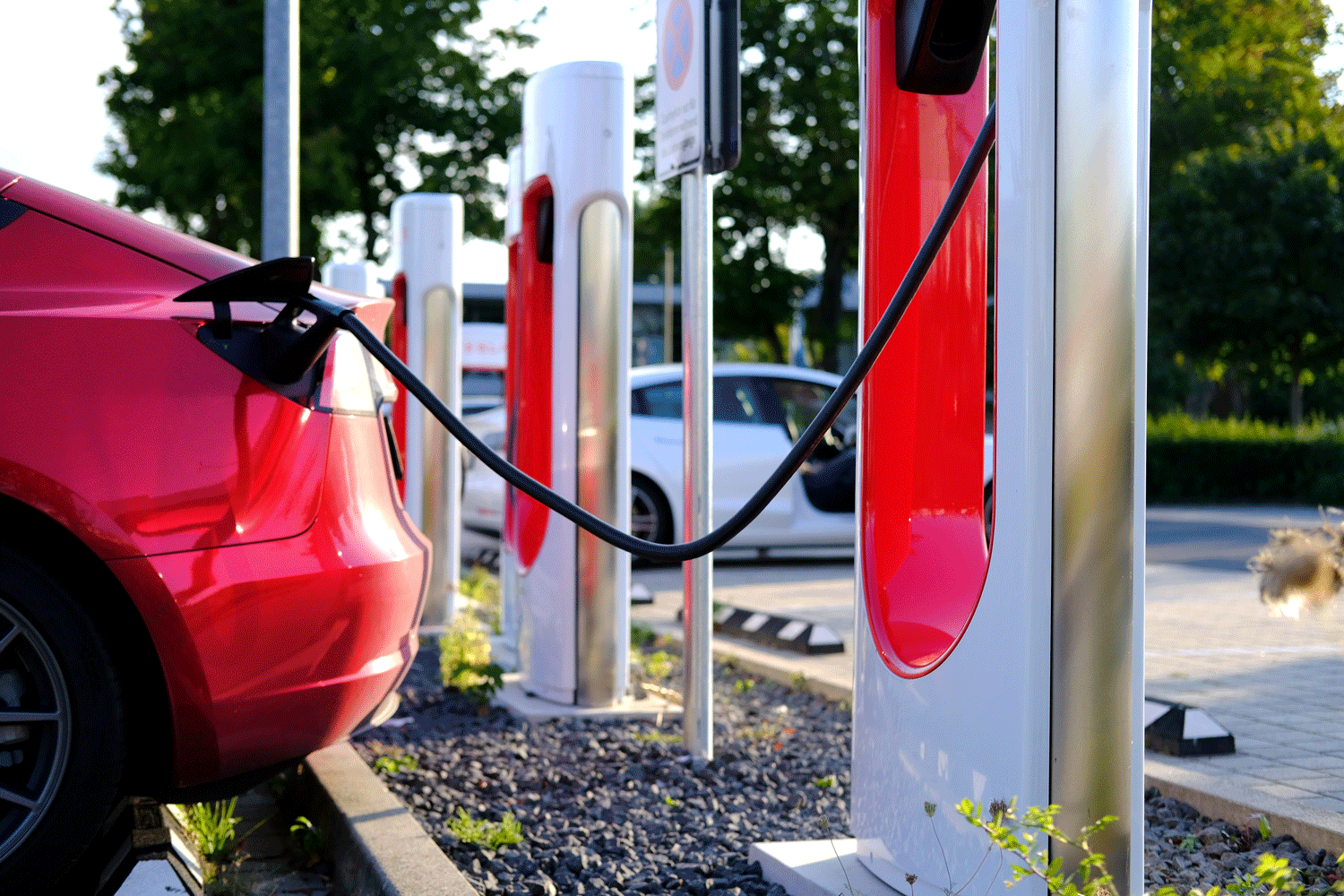
Electric vehicles (EV) are here, and consumer demand is growing. That means more communities are exploring how to integrate EV chargers into their city planning. The bipartisan federal infrastructure law passed last year, which created programs like the National Electric Vehicle Infrastructure (NEVI) Formula Program, opened the door for even more funding opportunities and grants for cities to install fast charging stations.
The problem, however, is that many cities don’t have an EV policy or goals in place. If communities don’t begin preliminary planning and outline larger policy goals, going after funding opportunities can leave cities scrambling and unprepared.
Here are a few tips and ideas that can help cities prepare for electric vehicle charging infrastructure and advance a plan that best fits the needs of residents and businesses, providing for positive future growth.
Start the conversation and ensure policies are up to date. Initiating conversations with city administrators and/or city council members is an important first step, especially if electric vehicles have not been on the radar of community leaders to date. Determine what actions need to be taken including updating zoning codes. Do your codes allow for charging infrastructure or do guidelines need to be updated? Should the city encourage or require charging infrastructure with new construction? Is certain signage required where chargers are placed? Guidelines must be in place so that the community can meet its EV goals and promote orderly development.
Determine your city’s plan and budget. Different communities have different goals for EVs, and it’s important to adopt goals that reflect the needs of residents, businesses, visitors, and the community. Does it make sense to take on an ownership model where the community owns the EV charging stations and related infrastructure, including maintenance and upkeep? Will it make more sense to work with a third-party vendor to own and operate the equipment on city property? Is your city installing chargers for city owned EVs? Should the ownership model be the same as publicly available chargers or different for fleet vehicles? By clearly defining and establishing structured goals and budgets, cities can determine what works best for their city, staff capacity, and budgets.
Work with your utilities and look at your infrastructure power capabilities. As more EV chargers are built and utilized, cities must also look if they have the infrastructure and power capacity to support it. Utilities will sometimes help cover the cost of upgrading power systems or help find ways to balance capacity by setting higher fees at peak demand times. By working to communicate costs and decisions with utility companies, cities can avoid undue stress and complications. It is important to consider upfront costs, monthly or annual fees, and possible profit both in the short and long term based on the ownership model you determined in #2. Additionally, working with your building maintenance and electrical teams can help you understand your building’s electrical capacity.
Consider why these upgrades are important. Growing consumer demand and more funding for EV infrastructure are just two of the reasons why cities should have an EV plan in place. Some communities are using their fast-charging infrastructure to attract business and residents, advertising itself as an EV ready city. Still other communities find opportunities to partner with companies to place charging stations in popular areas to boost visits to local restaurants and businesses. EV infrastructure can also help communities reach their sustainability goals as transportation is the largest source of greenhouse gas emissions.
There is no one-size-fits-all EV plan for cities, and WSB is ready to assist with determining a strategy and workplan, policy writing, grant applications, reviewing zoning guidelines, and whatever else communities need to advance an electric vehicles infrastructure plan that’s right for your community.
By Jake Newhall, Project Manager and Ray Theiler, Project Engineer, WSB
Extreme rainfall events are seemingly occurring more frequently than in the past. The frequency at which Americans are experiencing severe weather events due to climate change means building resiliency into infrastructure is more critical than ever. The influx of funding made available from the $1.2 trillion infrastructure package is giving many communities unprecedented opportunities to make significant infrastructure improvements, and it’s important for community leaders to explore how resiliency in planning and building can bring both short and long-term benefits.
One solution to build resiliency in planning is through green infrastructure, which helps absorb water and emulate natural water cycles. Green infrastructure can significantly reduce environmental impacts and pollution and can also be far more resilient and economical for communities.
Exploring Green Infrastructure & Solutions to Improve Resiliency
As communities explore resiliency and green infrastructure, they must first consider their specific needs and impacts. From there, they can determine projects that most greatly benefit from investment in green infrastructure. Resiliency comes in many forms and can be built into a wide variety of community projects.
Is your community prone to flooding? Stormwater-related infrastructure including stormwater re-use for irrigation, allowing park space to flood during large events, incorporating overland overflows into drainage systems, tree planting to improve canopy, and slope stabilization can all be environmentally friendly and help reduce impacts from extreme weather events. Does your area often face drought or water shortage? Reuse of stormwater for irrigation also reduces the burden on potable water and depleted aquifers. There are also private entities and smaller public projects that can build in conservation practices to reduce impact like rooftop gardens or native landscaping. Aging service lines can be replaced to improve resiliency and drinking water quality.
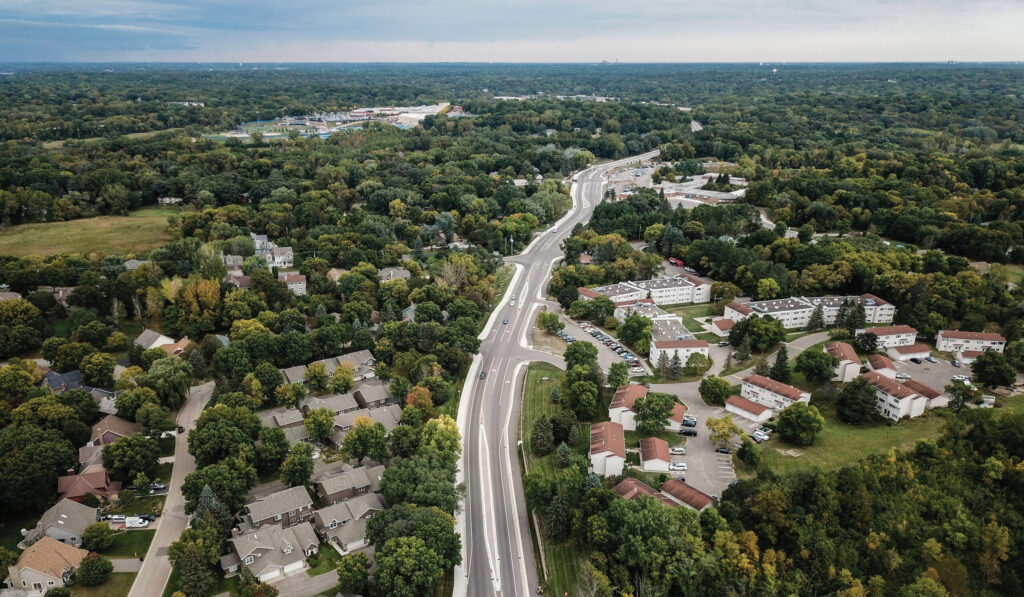
Transit and roadway improvement can also include green infrastructure that strengthens resiliency and reduces environmental impact. Some alternatives include tree trenches, native plantings, vegetated depressed medians, incorporating linear best management practices, and evaluating retrofits to the existing storm sewer system as part of transportation infrastructure planning will improve sustainability.
Think Ahead & Think Big Picture
With the influx of additional federal dollars available for infrastructure projects, communities must think ahead and think big. Whether it’s getting on the project priority list, putting forward a feasibility plan, or including green infrastructure early in a transportation project planning process, thorough, thoughtful preparation is key and can help ensure your project secures funding.
It’s also vital for communities to go back and look at projects that may have been previously out of budget or may have not quite made the cut due to other projects competing for limited grant dollars. The federal infrastructure law provides another meaningful opportunity to secure funding for projects that may have previously been out of reach.
Plus, if a community plans a project with big picture thinking – like a transit project that includes all the green infrastructure planning up front, for example – it can improve the odds of scoring higher in the grant application process, as well as provide long-term social benefits and economic savings. It’s often easier to build all at once, rather than do piecemeal fixes later.
How WSB Can Help
If your community is exploring how it can tap into opportunities to improve infrastructure resiliency and invest in green infrastructure, WSB can help.
Our firm can inventory lead water service lines with our GIS services. Our team can help review capital projects, risk areas, or identify how to score higher on project grant applications and better utilize funding. We design, plan, and build green infrastructure projects that help communities better manage and protect their water and other natural resources. WSB can also help communities navigate the project priority list and intended use plan process.
Every project is different, and every community is different. But as we face a changing climate and more severe weather events, green infrastructure and more resilient infrastructure is critical to communities, residents, and our environment.
Jake has more than 15 years of engineering experience designing and managing many types of water resources projects, including modeling, planning, design, maintenance programs, and construction. Jake has worked with various municipalities, counties and state agencies to solve challenging water quality and water quantity problems.
Ray is a Project Engineer specializing in project planning, feasibility studies, computer modeling, preliminary and final design, bidding, construction management, grant writing, wellhead protection planning, risk assessments, emergency response planning, community engagement, and state water permitting.
Green infrastructure is a term that has gained momentum recently. It refers to the framework and benefits humans can harness by building, preserving, or maintaining a resilient natural system. Green infrastructure solves some of our most pressing drainage, heat, air, and water quality problems, particularly in areas with the most population. Trees are one of the most vital and effective green infrastructure components that contribute to many cities’ sustainability goals. From stormwater interception and soil conservation to carbon storage and sequestration to improving air quality and reducing heat island effects; tree canopy cover provides many benefits.
Sustainability Goal: Preserve or Increase Canopy Cover
Increasing tree canopy cover over time can have a large impact on a community’s sustainability efforts. To meet that goal, the first step is to understand the current canopy cover and perform a “look back” to examine past trends. To gain an understanding, the USDA Forest Service has a free i-Tree Canopy application that quantifies canopy cover across the community. In the 7-county area of the Twin Cities, communities can use the Metropolitan Council’s “Growing Shade” mapping tool to observe canopy cover and develop goals based on local issues and priorities. Another step is to quantify the number of ash trees in the community through a tree inventory. All ash trees are at a risk of death which will negatively impact canopy cover if not preserved.
Mature shade trees have a bigger canopy so they can capture and store more carbon than their newly planted counterparts. They also provide the most ecosystem benefits – all compelling reasons to preserve what is already established, while also adding new trees. If an inventory has not yet been performed, the community must determine if a statistical sample will be adequate or if a full tree inventory should be performed. Issues related to data collection variables, potential stratification of the city, long-term management and storage of the data must be considered.
This quantification work requires expertise, months of implementation, and often exceeds staff time or budgets designated to accomplish the work. While many communities have planners or sustainability staff, they may lack the expertise that a city forester or an ISA-certified arborist has. Even in a community with a thriving forestry program, managing routine work may be at capacity and carrying out projects like a canopy analysis may not fit into the work plan.
How WSB Can Help
Whether it is achieving a Green Step Cities best practice, part of a larger sustainability or climate action plan, WSB staff are prepared to help you define, preserve, and increase your canopy cover with Forestry, Natural Resource and Sustainability experts. We help our clients assess existing canopy, explore trends, provide an inventory to assess species diversity and resiliency, define the ecosystem benefits that public trees are already providing, and examine tangible steps to preserve existing canopies. With the community’s goals in mind and data, we provide a clear strategy to maximize canopy cover over time.
Emily brings 20 years of experience, primarily in community forestry. She has extensive experience in contract administration, management of staff, AmeriCorps members and contractors, budget and grant management, plan review, tree health and condition inspections, outreach and education. She works closely with partner organizations, staff, and the community to educate, manage natural resources and provide excellent customer service.