Projects
Idaho Department of Parks and Recreation – Bayhorse State Park
Location:
Bayhorse, ID
Expertise:
Environment
Services:
Civil Engineering, Investigation & Remediation, Natural Resources
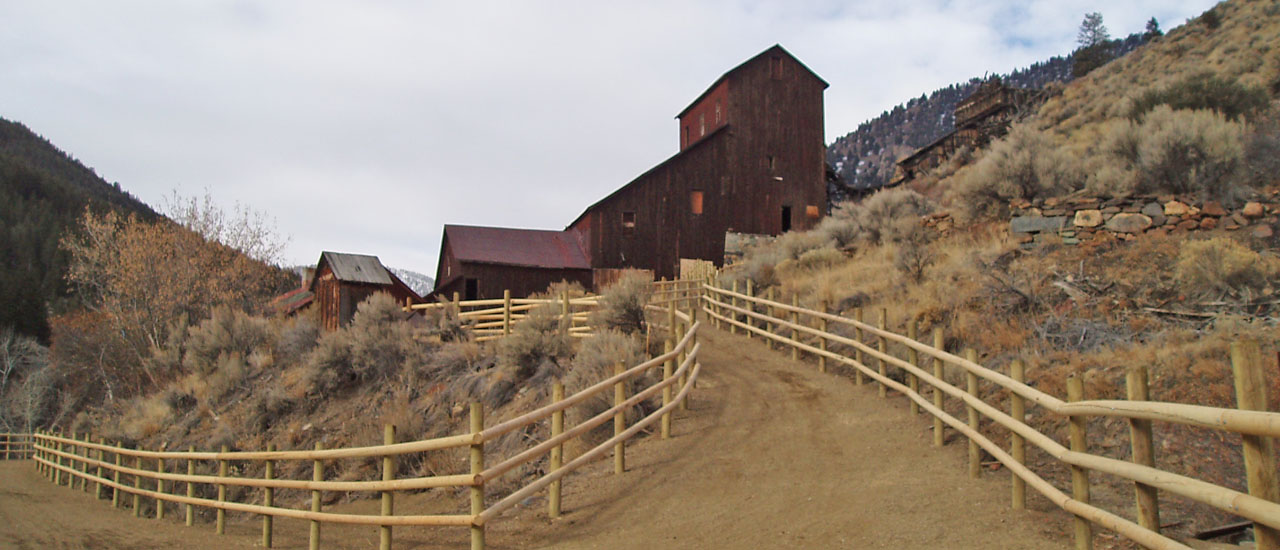
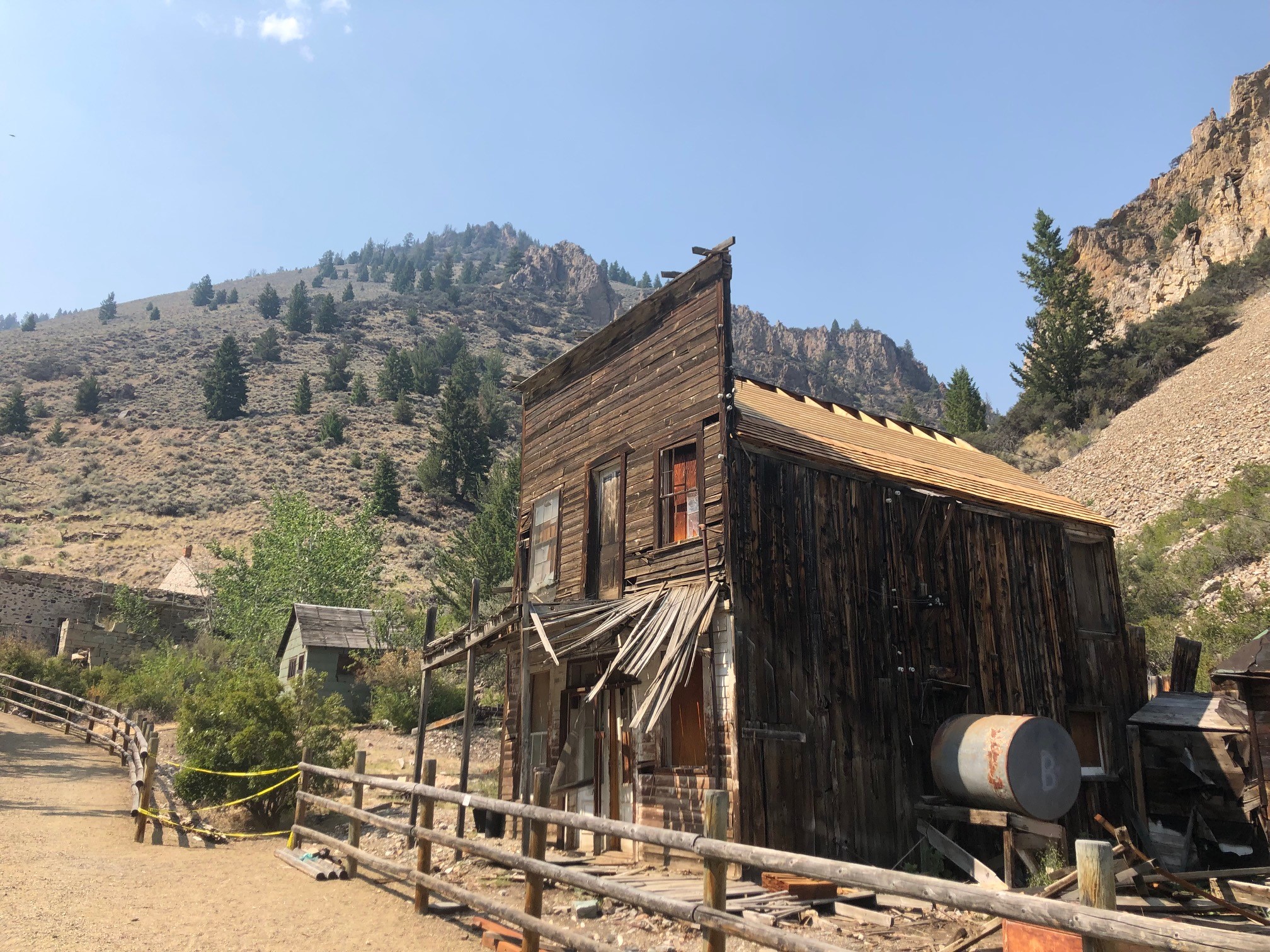
WSB, through its legacy firm Alta Science & Engineering, Inc., partnered with the Idaho Department of Parks and Recreation to transform the historic Bayhorse Mine site into a safe and accessible state park, preserving an important piece of Idaho’s mining heritage while expanding recreational opportunities.
Dating back to the 1860s, the former ghost town site was impacted by lead and arsenic contamination from historic milling and smelting operations. WSB conducted an initial site investigation, collecting hundreds of soil and water samples across the townsite, surrounding mining areas and an extensive trail network. This work informed a site-specific risk assessment that supported the successful pursuit of three Brownfields cleanup grants.
Following funding, the team completed an Analysis of Cleanup Alternatives and developed a work plan under the Idaho Department of Environmental Quality’s Voluntary Cleanup Program. WSB designed and oversaw implementation of remedial actions, including tailings closure, repository construction, slag grading and improvements to site access and circulation.
Project elements included bridge and parking lot construction, development of a trail system connecting the townsite to upper mine areas and installation of safety measures such as fencing, access controls and aggregate and asphalt barriers. Stream enhancements and bank stabilization measures were also implemented to support long-term site stability.
The combined parking lot and repository now serves as a trailhead, providing access to more than 100 miles of trails throughout the Land of the Yankee Fork. The site has since opened to the public as Bayhorse State Park.
A subsequent phase extended access to the Skylark Mine and tramhouse areas located approximately 1,400 feet above the valley floor. WSB designed the ATV and pedestrian trail system and associated remedial features, including clean aggregate cover, cable fencing and gabion structures to stabilize trail segments across steep, unstable slopes.
This project demonstrates how thoughtful remediation and design can restore environmental safety while honoring cultural history and expanding access to the outdoors.