Insights
Powering Smarter Communities: Battery Storage is Transforming Local Energy Use
June 10, 2026
By Griffin Anderson, Director of Distributed Energy Resources, WSB
Across the country, communities are facing a new energy reality. Demand is rising, infrastructure is aging, cost is increasing and extreme weather events are testing grid reliability. Subsequently, cities, counties, and tribes are advancing clean energy goals, striving for energy independence and looking for practical ways to manage costs.
Battery energy storage is emerging as a powerful, flexible tool to help communities do all three: optimize energy use, improve resilience, and create long-term value.
What Is Battery Storage—and How Does It Work?
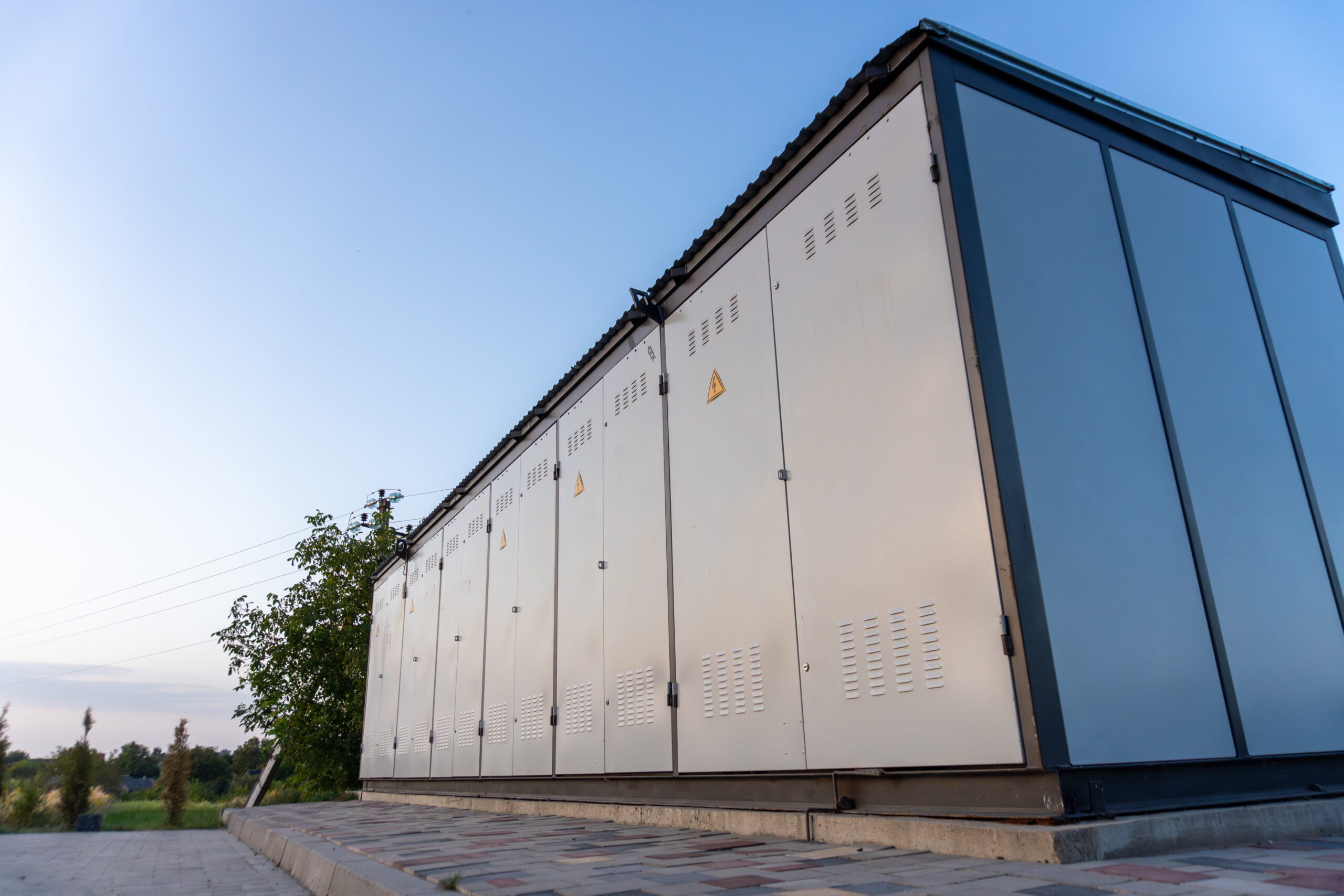
A battery energy storage system (BESS) captures electrical energy in rechargeable batteries for future strategic use, allowing communities to store electricity when it’s abundant and use it when it’s needed most. At a high level, the concept is simple:
- Charge during low-demand periods (or when renewable generation like solar is producing excess energy)
- Discharge during peak demand periods when electricity is more expensive or the grid is strained
- Use intelligent controls to manage timing, performance, and integration with other infrastructure
This approach, often called peak shaving or load shifting, helps reduce spikes in energy demand by supplying stored power instead of pulling from the grid at peak times. Because battery systems are modular and scalable, they can be deployed in a variety of ways, from supporting a single facility to powering critical infrastructure across an entire community.
Why It Matters: The Benefits for Communities
Battery storage is more than an energy solution; it’s a community infrastructure investment. When implemented strategically, it delivers measurable value across operations, finances, and resilience.
1. Improved Reliability and Resilience
Battery systems can provide backup power during outages, helping maintain operations at critical facilities like emergency operations centers, water treatment plants, and public safety buildings.
In areas prone to outages or extreme weather, storage paired with local generation can support microgrids that operate independently from the larger grid—keeping essential services running when it matters most.
2. Lower and More Predictable Energy Costs
By reducing reliance on grid power during peak demand periods, communities can:
- Lower peak demand charges
- Avoid high peak-time energy rates
- Stabilize long-term energy costs
Battery systems essentially allow communities to control when they buy and use energy, improving budget predictability over time.
3. More Efficient Use of Renewable Energy
Renewable energy sources like solar and wind don’t always align with when energy is needed. Battery storage bridges that gap by:
- Storing excess renewable generation
- Delivering it when demand increases
- Reducing curtailment and clipping
This capability is critical to achieving sustainability goals without compromising reliability. BESS allows your solar assets to provide power when the sun is down.
4. Economic and Community Development Benefits
Battery storage projects can generate local value through:
- Job creation and construction activity
- Increased tax revenue
- New revenue streams from participating in energy markets
- Federal tax incentives, these programs allow cities and towns to significantly lower upfront capital expenses, increasing project economic feasibility.
Communities can also use storage to buffer against energy price volatility and create more stable economic conditions for businesses and residents.
5. Advancing Energy Equity and Sovereignty
For tribal communities and underserved areas, battery storage, especially when integrated with microgrids, supports:
- Energy independence and increased local control
- Reduced reliance on vulnerable or distant grid infrastructure
- Improved service in areas with frequent outages
Microgrid and storage projects are increasingly seen as tools to support energy sovereignty and community resilience.
How Communities Are Putting It into Action
Across the U.S., communities are already leveraging battery storage to optimize energy systems:
- Community resilience hubs use solar with storage to power critical services during outages
- Municipal utilities deploy batteries to stabilize local grids and participate in energy markets
- Tribal microgrids combine storage with renewable generation to deliver reliable local power
- Implementation of measurable priorities in local climate, sustainability, and resiliency plans
These projects aren’t just about technology, they represent a shift from passive energy consumption to active, community-driven energy management.
What It Takes to Implement Battery Storage
While the benefits are compelling, successful projects require thoughtful planning and coordination. Key considerations include:
- Site selection and land use compatibility
- Permitting, zoning, and safety standards
- Grid interconnection and utility coordination
- Funding, incentives, and financial modeling
- Long-term operations and maintenance strategy
As adoption grows, many communities are also developing policies and guidelines to ensure projects deliver public benefit while addressing safety and community concerns.
How WSB Can Help
WSB helps communities turn battery storage from concept into a practical, high-performing solution.
- Plan with purpose: Identify the right use case, evaluate feasibility, and align projects with community goals and funding opportunities
- Design with confidence: Develop systems that integrate seamlessly with existing infrastructure and meet safety and regulatory requirements
- Complete Utility Interconnection Process: Create necessary drawings for utility review and discussion. Answer technical questions and take ownership of interconnection portal/procedure. Review utility studies and limit exposure to large interconnection upgrade costs.
- Engineering Support: Serving as Engineer or Record or Owner Engineer to ensure proper design and installation of complete systems. Developing/reviewing drawings and performing construction administration gives communities confidence the systems are being installed with respect to all requirements, meeting the highest standards, operating as intended and on schedule.
- Deliver and optimize: Support implementation, coordinate stakeholders, and ensure long-term performance
Our approach is straightforward. Deliver solutions that improve reliability, manage costs, and create lasting value for your community.
A Smarter Energy Future Starts at the Local Level
Battery storage is changing how communities think about energy, not as a fixed cost, but as a resource that can be managed, optimized, and aligned with broader goals. For cities, counties, and tribes, the opportunity is clear: build a more resilient, efficient, and locally controlled energy future, one that supports your community today and adapts to tomorrow.