July 2, 2026
By Morgan Dawley, Senior Director, Municipal Services, WSB
Across the infrastructure industry, a shift is underway toward model-based design and delivery (MBDD). Rather than relying on traditional 2D plans and disconnected workflows, this approach uses intelligent digital models to bring together data, design, and decision-making throughout the entire project lifecycle.
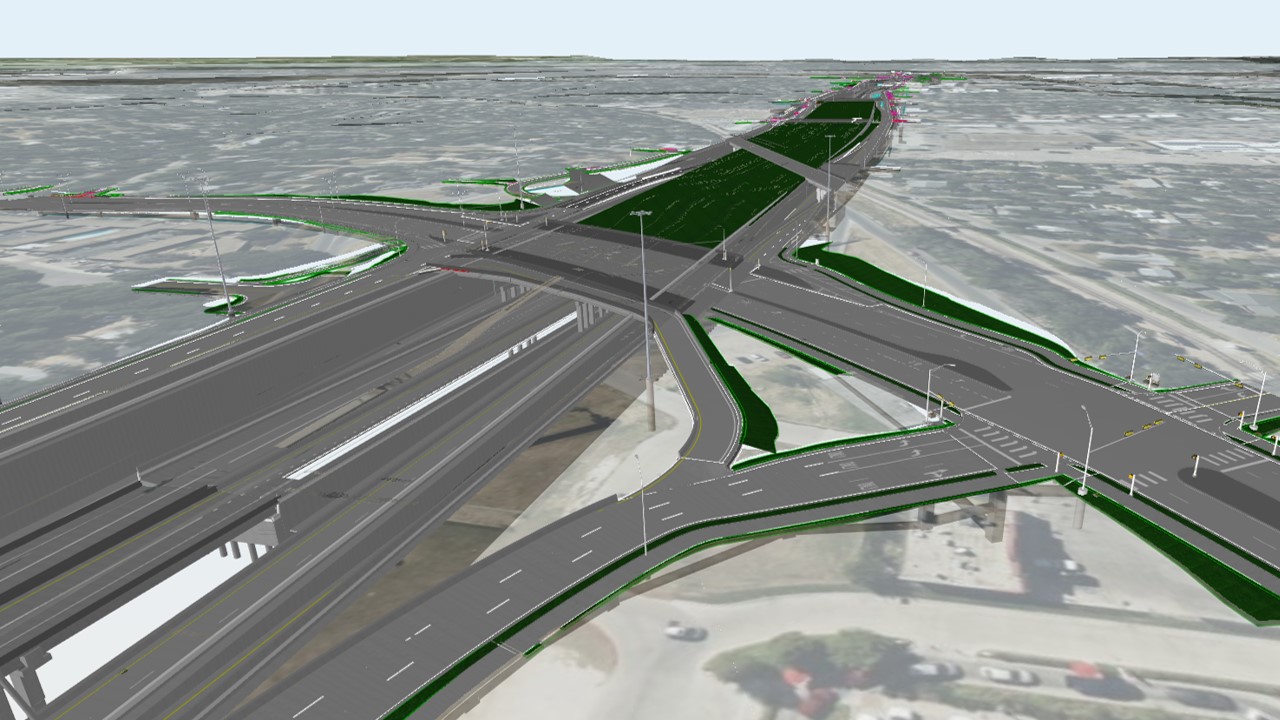
Traditionally, infrastructure projects have relied on 2D plans and a series of handoffs between teams. Model-based design changes that process by creating a detailed 3D digital representation of a project that remains the single source of truth throughout its lifecycle. These models integrate data from survey, design, engineering, and construction, helping teams collaborate more efficiently and make better-informed decisions in real time.
Why This Matters for Municipalities
For cities and counties, the shift to model-based delivery brings several meaningful benefits:
- Improved accuracy and fewer surprises
Models help identify conflicts early, reducing costly change orders during construction. - Better collaboration across teams
Engineers, planners, contractors, and stakeholders can all work from the same information. - Enhanced visualization for decision-making
Leaders and community members can better understand projects through clear, visual representations. - More efficient project delivery
Streamlined workflows help projects move from concept to completion more smoothly.
These advantages are especially important as municipalities face increasing pressure to deliver infrastructure projects faster, maximize limited funding, and ensure transparency with stakeholders.
From Concept to Construction and Beyond
One of the most significant shifts with model-based delivery is its continuity. Instead of creating separate deliverables for each phase, a single model evolves throughout the project. This means that what is designed is more closely aligned with what gets built.
Looking ahead, these models can also support asset management after construction is complete. Municipal teams can use them to track maintenance, plan future improvements, and manage infrastructure more effectively over time. In other words, the value of model-based design doesn’t end when a project is finished, it continues to deliver insights for years to come.
Preparing for the Transition
Adopting model-based delivery doesn’t happen overnight. It requires updates to processes, tools, and sometimes even procurement approaches. However, communities that begin exploring this shift now will be better positioned to take advantage of its long-term benefits.
Starting points may include:
- Incorporating modeling requirements into project scopes
- Piloting model-based approaches on select projects
- Building internal understanding of how digital delivery supports project goals
Bringing It All Together
Model-based design and delivery represents a meaningful step forward for infrastructure projects. By improving coordination, enhancing visibility, and supporting smarter decisions, it helps municipalities deliver better outcomes for their communities.
WSB partners with cities and counties to bring these innovations to life by helping teams navigate new tools, workflows, and expectations while keeping projects on track. If you’re exploring how model-based delivery could support your next project, reach out to WSB to learn how we can help you move forward with confidence.