June 9, 2026
By Paul Poytner, Vice President, Structures, WSB
Bridges are essential connections within a community’s transportation network, but for city and county staff, they are also complex assets that require consistent attention and thoughtful planning. Routine bridge safety inspections play a critical role, combining visual and hands on evaluations to assess structural conditions. By identifying corrosion, deterioration, settlement, damage, and scour early, communities can address issues before they escalate into costly repairs or disruptions. This proactive approach is essential as one in three bridges nationwide requires repair or replacement, reinforcing the importance of consistent inspection and asset awareness.
Planning across the full lifecycle of a bridge helps communities maximize performance and extend service life. While older structures were often designed for 60 to 75 years, modern bridges are built to last 75 to 100 years with midlife rehabilitation. Many bridges in use today were not designed for current traffic demands or vehicle weights, making condition-based planning increasingly important. Using inspection data and sufficiency ratings allows communities to better prioritize rehabilitation or replacement, focusing resources where they will deliver the greatest benefit over time.
Bridge performance also depends on how well surrounding infrastructure is considered. Retaining walls, adjacent roadways, and nearby structures all influence stability and durability. Incorporating vibration monitoring and pre-and-post construction surveys can help reduce risk when working near existing assets. In more complex environments, additional geotechnical investigation provides insight into subsurface conditions, helping teams avoid construction challenges and reduce costly design changes. These steps support smoother project delivery and protect both public infrastructure and surrounding properties.
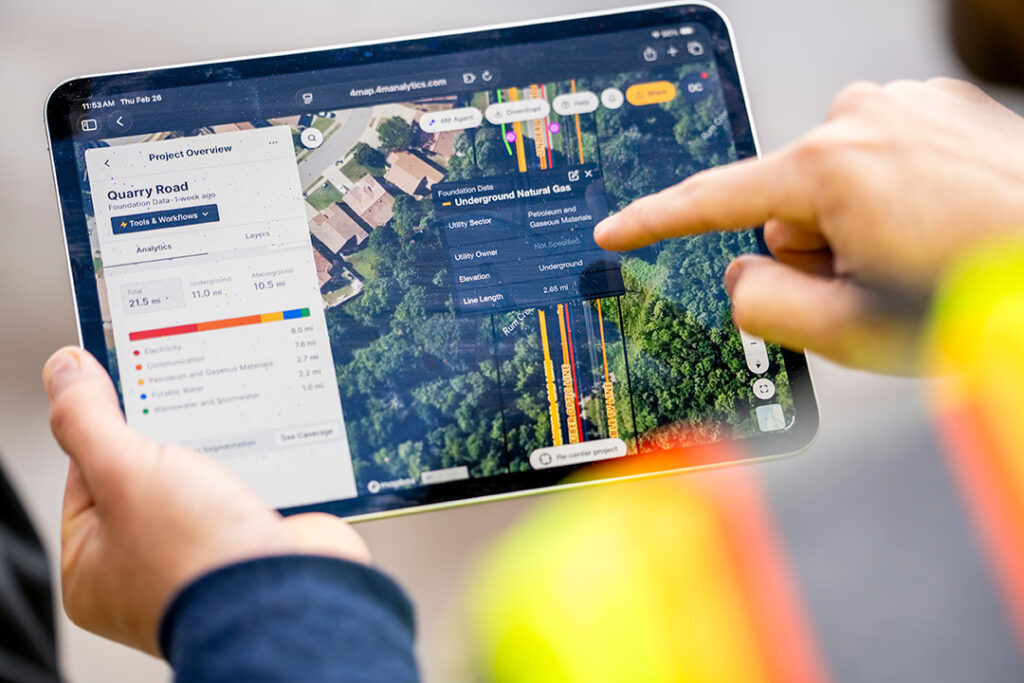
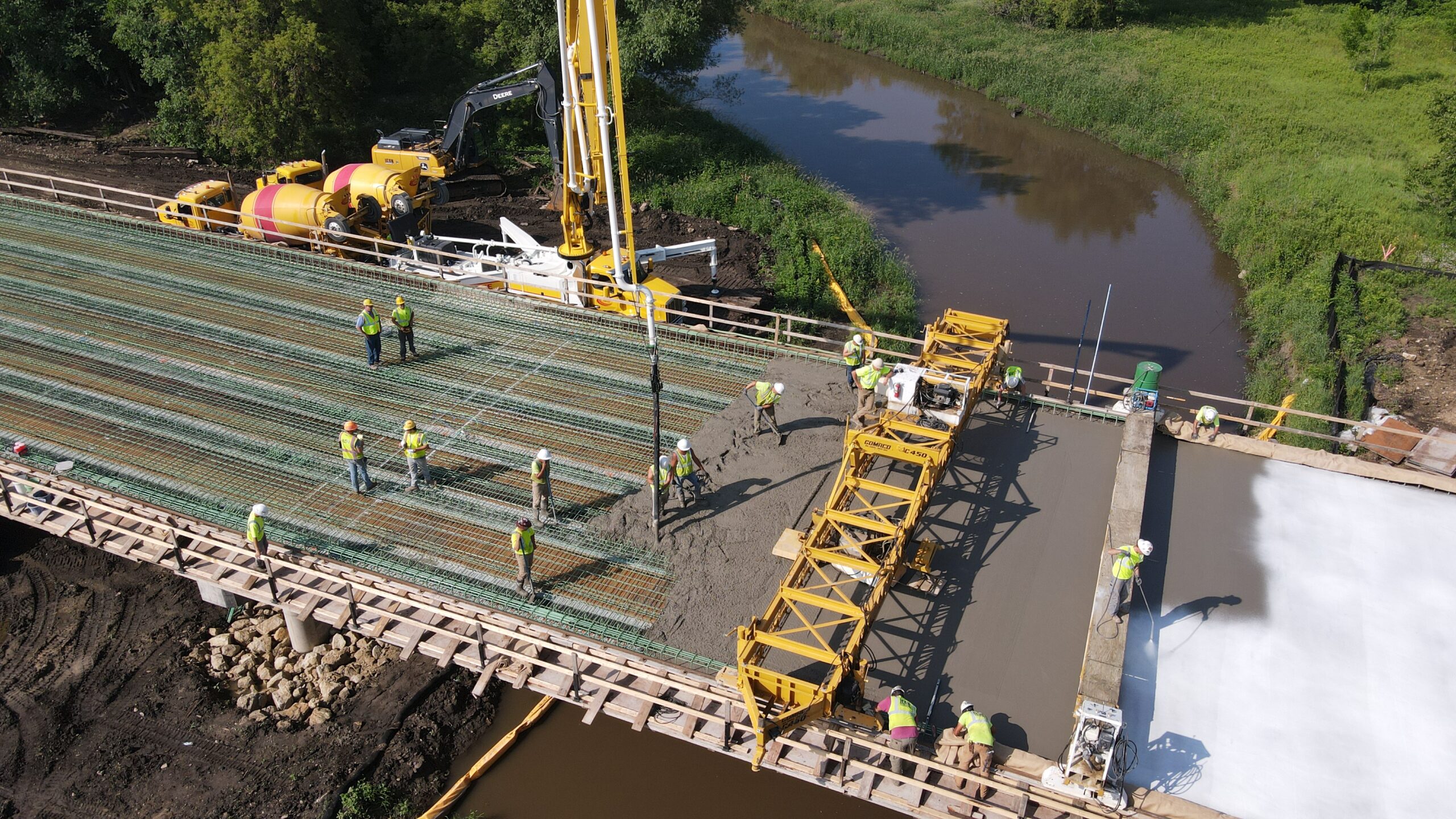
Successful bridge projects rely on coordination across structural engineering, environmental considerations, materials, and construction methods. Aligning these elements early leads to more efficient, resilient outcomes that reflect both technical needs and community priorities. Emerging tools such as Building Information Modeling and digital twins are strengthening this approach by improving accuracy, enhancing collaboration, and supporting more informed planning throughout the lifecycle.
WSB partners with cities and counties to navigate the complexity of bridge projects and deliver practical, lasting solutions. From inspections and condition assessments to design, construction support, and long-term asset management, our teams bring together technical expertise and real-world experience. By aligning data, engineering, and a multidisciplinary approach, WSB helps communities deliver bridge solutions that are safe, reliable, and built to serve residents for decades to come.