Insights
Flood Mitigation Assistance (FMA) Grant: Practical Solutions for Real Community Needs
July 7, 2026
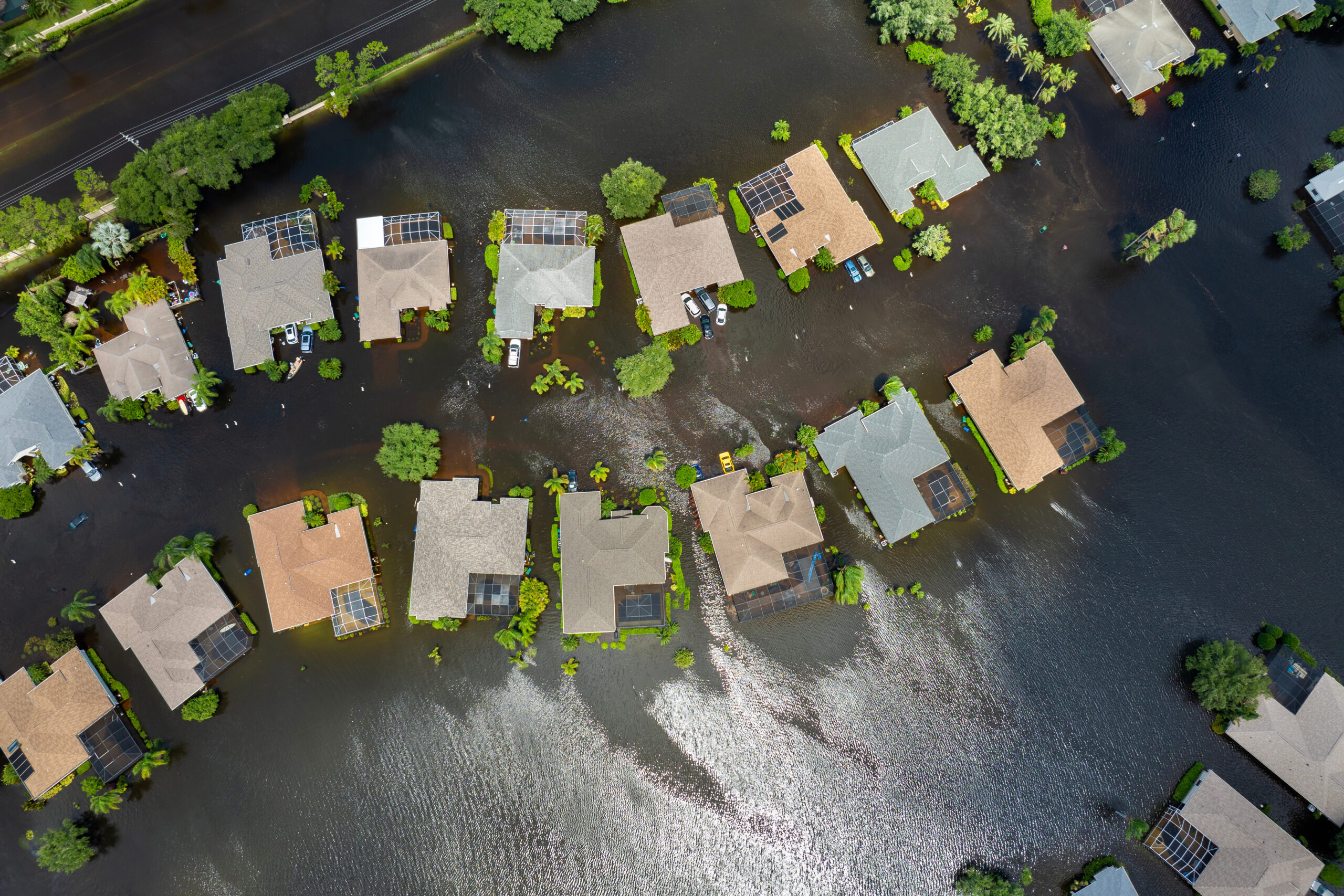
Communities experiencing repeated flooding understand the strain it places on homes, businesses, and local budgets. Rising flood insurance costs after multiple claims add pressure for residents and municipalities, while aging stormwater systems and vulnerable infrastructure increase risk for critical facilities — including schools, hospitals, and emergency operations centers.
For many smaller cities and rural areas, addressing these challenges at scale is difficult without additional support. FEMA’s Flood Mitigation Assistance (FMA) program offers $600 million in federal funding to help communities address persistent and emerging flood risks. The program supports projects that reduce long-term impacts — from infrastructure improvements to property-level mitigation — and provides a federal cost share that makes meaningful progress more attainable. As application deadlines approach, cities, counties, and Tribal Nations are taking a closer look at where funding can have the greatest impact.
FMA Grant Application Deadlines
- State application deadlines: Often fall 4–8 weeks before FEMA’s deadline and vary by state. Coordinate early with your State Hazard Mitigation Office.
- FEMA application deadline: August 6, 2026
Early coordination with state partners is crucial to meeting submission deadlines.
Eligible Flood Mitigation Projects
The FMA grant funds a variety of projects:
- Acquisition and demolition of at-risk structures
- Elevation of residential buildings above flood levels
- Stormwater improvements such as upsized culverts and new drainage structures
- Mitigation planning and project scoping for future initiatives
Properties with Severe Repetitive Loss (SRL) and Repetitive Loss (RL) classifications qualify for higher federal cost share—100% and 90% respectively. Other NFIP-insured properties are eligible for a 75% federal cost share.
How to Strengthen Your FMA Application
Successful applications begin with reviewing the FMA Notice of Funding Opportunity (NOFO) and compiling data on NFIP-insured properties and past flood claims. Coordination with local agencies ensures projects are feasible and align with FEMA requirements.
FMA Readiness Checklist
Communities preparing to pursue FMA funding can strengthen their position by focusing on a few key actions:
- Compile a current list of NFIP-insured properties
- Review recent flood claims and identify repetitive loss areas
- Evaluate infrastructure vulnerabilities and potential mitigation opportunities
- Coordinate with local agencies and state partners to confirm eligibility and priorities
- Define project scope and anticipated outcomes
- Gather supporting data to align with FEMA requirements
- Identify projects that deliver measurable, long-term flood risk reduction
Clear alignment across these elements helps position projects for funding and creates a more competitive, coordinated application. Many communities find that bringing these pieces together early provides a clearer path forward as deadlines approach.
How WSB Can Help
Getting started early can make a meaningful difference.
WSB partners with communities to understand current flood risks, assess project readiness, and identify opportunities that align with FEMA priorities. Our team brings together emergency management, engineering, planning, and funding expertise to refine project scope, strengthen applications, and position projects for success.
Whether evaluating mitigation strategies or advancing a defined project, we connect the data, partnerships, and documentation needed to compete. When funding opportunities open, communities are ready to move forward with confidence.
Reach out to the WSB Grants & Funding Team to start the conversation.