By Kevin Anderson, Vice President, Structures, WSB

Across the nation, bridge owners face familiar yet evolving pressures: aging structures, demanding corridors, environmental uncertainty, and rising expectations for safe, resilient infrastructure delivered quickly and transparently. Technology is reshaping how agencies respond — not by replacing engineering expertise, but by expanding what teams can anticipate, coordinate, and deliver. Through our work nationwide, three technology‑driven approaches consistently strengthen bridge programs.

1) Modeling Tools That Reduce Construction Risk Before Work Begins

A 3D digital model of a short bridge segment shown in bright colors. The bridge has a blue deck, green abutments, yellow and orange vertical support elements, and light-yellow railings along the sides. The structure appears elevated, with visible substructure components beneath each end.

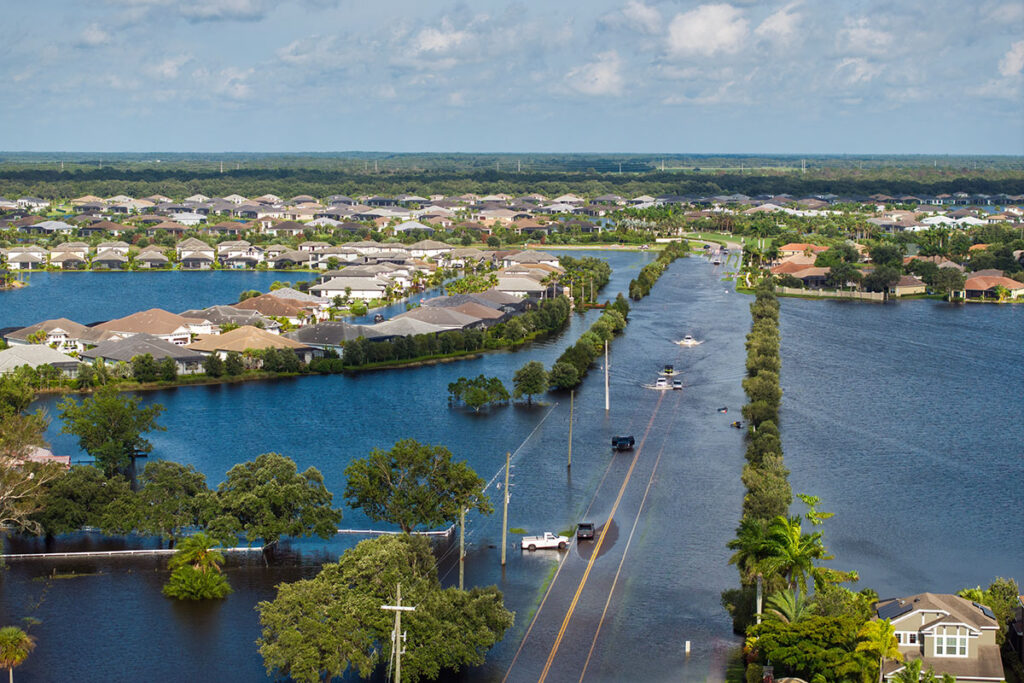
Bridge work is rarely straightforward. Mountain corridors in Colorado bring steep grades, rockfall zones, and limited access. Urban centers in Georgia compress construction into tight rights‑of‑way surrounded by traffic and multimodal networks. Coastal regions in Florida introduce tidal conditions, storm surge risks, and sensitive environments. Each setting demands its own considerations — and modeling helps reveal them early.

With advanced 3D and 4D tools, WSB teams simulate how a bridge interacts with its surroundings long before construction begins. Digital models capture staging sequences, utility conflicts, structure geometry, rail coordination, hydrology, and traffic operations, giving owners a clear view of potential challenges.

This process naturally engages WSB’s geotechnical, water resources, traffic, environmental, and construction specialists, ensuring decisions reflect the full complexity of the corridor. Early insight leads to greater predictability, fewer field surprises, and solutions aligned with the terrain and community.

2) Data‑Driven Insight for Smarter Planning and Long‑Term Stewardship

Reliable data is transforming how agencies understand their networks. Tools like GIS, LiDAR, digital inspections, and asset management systems support a shift from reactive maintenance to informed, long‑term planning. These technologies help identify structural trends, pinpoint vulnerabilities, and evaluate risk consistently.

Data becomes even more powerful when interpreted through a multidisciplinary lens. Bridges sit at the intersection of mobility, hydrology, geology, utilities, and community development. Drawing on 50+ service areas, WSB teams assess how changing flood patterns might affect piers, how soils influence deterioration, how traffic growth stresses a corridor, or how development reshapes access.

When bridge data aligns with insights from planning, environmental compliance, stormwater modeling, materials testing, and more, agencies can prioritize projects with confidence and invest in safer, more resilient infrastructure.

3) Digital Delivery That Strengthens Coordination and Accelerates Progress

4D model of a highway interchange showing multiple ramps and overpasses, with roadways and structures color‑coded in red, blue, green, teal and purple to distinguish alignments, bridges and surrounding terrain.

Bridge programs today operate under accelerated schedules, heightened public scrutiny, and complex stakeholder expectations. Digital delivery brings clarity and momentum to the process.

Cloud‑based collaboration, automated documentation, digital plan sets, and real‑time design review tools connect project partners and reduce friction. Contractors gain clearer design intent. Designers understand field conditions faster. DOT reviewers access consistent, up‑to‑date information. Construction engineering and inspection teams verify work with greater accuracy.

WSB’s digital workflows span all service areas, creating continuity from concept through construction. Survey updates feed directly into engineering models, environmental changes appear immediately in design reviews, traffic data informs staging, and public engagement materials draw directly from project models. Fewer handoffs and faster decisions keep projects moving.

Technology That Strengthens More Than Bridges

While these innovations improve bridge delivery, their true impact lies in how they connect to the broader transportation system. Bridges influence — and are influenced by — roadway geometry, hydrology, utilities, mobility needs, permitting, construction methods, and long‑term maintenance. Technology enables these relationships to be understood earlier and addressed holistically.

WSB’s multidisciplinary foundation strengthens this work. Our bridge and structures teams collaborate seamlessly with colleagues in transportation planning, geotechnical engineering, water resources, environmental sciences, GIS, construction services, and more to deliver solutions that consider the entire corridor and community.

The result is more than a well‑delivered bridge — it’s a stronger, safer, more resilient system that supports communities now and into the future.

Portrait of Kevin Anderson

Kevin has over 30 years of experience in managing all aspects of transportation projects, including project management, bridge design, construction management, quality management, preliminary and final roadway design, visual quality, right-of-way, utility coordination and design, public information and involvement, and critical path method scheduling. He previously worked 18 years for the Minnesota Department of Transportation in various aspects of design and construction, including ten years of experience in bridge design and inspection. He has been involved in MnDOT’s design-build program on both the owner’s and contractor’s side since its inception in 2001.

612.845.8343

July 1, 2025

By Hongwei Cai, Ph.D., P.E., Director of Structures, WSB

Every successful bridge lift is far more than pumping jacks—it’s a high-precision operation that weaves together structural analysis, traffic choreography, material savvy, and emergency readiness. Overlooking any of these elements can turn a routine maintenance job into a costly—and potentially dangerous—disaster. 

1. Early Engineer Involvement Strengthens Contractor Bids 
Bringing licensed bridge engineers into the bid phase gives contractors a strategic edge. Our early involvement helps identify constructability challenges, optimize staging and traffic-control plans, and refine scope assumptions—resulting in smarter, more competitive proposals. This proactive approach not only reduces post-award changes but can also be the difference-maker to success. 

 2. Keeping Lanes Open Requires Advanced Analysis 
Full traffic closure isn’t always feasible—many bridges serve critical routes where detours are not an option. In such cases, maintaining live traffic during bridge lifting requires more than standard planning. It demands additional calculations, refined details, and advanced analysis to safely account for live load effects. 

3. Material Creativity Speeds Delivery 
Rather than ordering customized plate size or structural section with long lead times, innovative engineers repurpose on-hand or owner-provided materials—adapting jacks to fit what’s available. This flexible approach can trim procurement schedules and budgets by nearly 20% without compromising safety. 

4. True Experts Stand Ready for Emergencies 
Storms, collisions, bearing failures—they all strike without warning. Top bridge-jacking specialists maintain standing emergency contracts and pre-approved jacking plans, with crews and equipment staged for 24/7 mobilization. When minutes count, they’re on site, stabilizing spans in hours, not days. 

If any of these insights spark questions about your next maintenance or rehabilitation project, we’d be glad to share more—no strings attached. A brief conversation could uncover new ways to reduce risk, streamline schedules, and keep your bridges safely open. 

5. Advanced Finite Element Modeling Solves Complex Challenges 
When bridge lifting involves unusual geometry, uncertain load paths, or tight tolerances, our advanced finite element modeling expertise becomes essential. We create a detailed “digital twin” of the structure—accurately modeling every girder, bearing, and reaction frame to simulate behavior before any physical action is taken. 

How WSB Can Help 

WSB’s team of structural experts is prepared to improve both safety and efficiency for your next bridge project. Our specialists are experts in designing and executing high-precision bridge jacking plans, making sure your project is conducted with the utmost care and attention to detail. With a commitment to innovation and reliability, we leverage advanced tools, such as digital twins and advanced finite element modeling, to streamline project timelines, mitigate risks, and achieve superior outcomes. We invite you to contact us to learn more about how our expertise can support your bridge initiatives and help maintain the longevity and functionality of your infrastructure. Partner with WSB to explore how we can create tailored solutions that meet the unique demands of your project. 

Portrait of Honwei Cai

Hongwei Cai, Ph.D., P.E., has over 16 years of comprehensive experience in structural and bridge engineering. His expertise spans concrete and steel bridge design, bridge widenings, rehabilitations, repairs, complex bridges, and multi-level interchange bridge design. He is an expert in advanced structural and finite element analysis. Dr. Cai’s experience includes parking garage refurbishments, culvert design, lift station and vault design, and retaining wall systems.

716.225.2357

August 28, 2024
By Carl Osberg, PE, Director of Structures, WSB

Meeting Traffic Demands and Environmental standards with aesthetic sensitivity

As with many instances of aging infrastructure, the bridge across the Snake River to the East of Pine City, MN reached a point in its lifespan where it needed to be redesigned and replaced. Construction projects like bridges require focused attention to a variety of elements to not only ensure the bridge is sound and long lasting, but also to ensure no concerns are created like blocking off access from boats or environmental concerns. The Snake River Bridge scheduled to be completed in the fall of 2024 provides a superb example of the many facets that make up bridge design.

Meeting Traffic Needs

One point of consideration for bridges are current and future traffic needs. Previously, if farm equipment needed to cross from both sides of the bridge there would be issues. With the newest designs, the addition of extra wide shoulders allows for traffic to flow whether by car or larger. Through traffic forecasting, a bridge design can meet the needs of the current levels of traffic and those estimated for up to 40 years of potential population growth in the area. This project’s analysis deemed additional lanes unnecessary so long as the extra wide shoulders were included. Ensuring the bridge is only as big as is needed will save considerable time and money.

Considering Environmental Data and Concerns

In bridge design, gathering hydraulic data about the river is imperative to ensure that not only will the bridge be able to handle expected seasonal water depths and the speed of the river’s flow, but also to ensure that any bridge design avoids negatively impacting the areas downstream. For example, the updated trail on either side of the bridge included designs for updated drainage ponds and piping to prevent the road and nearby residences from being affected during heavy rains.

When tearing down an existing bridge, care must be taken to ensure that the river is not polluted, and animal habitats are not unnecessarily impacted. Specifically for the Snake River project, remnants of an older bridge still remained and new designs included removal. For both environmental concerns and financial reasons, the Snake River Bridge was designed with the impetus of ensuring durability and expandability. Not only is the bridge made to last, but also if population growth surpasses estimates the bridge can be more easily expanded to fit the new needs rather than torn down and rebuilt again.

To meet environmental and safety concerns, plans for a path underneath the bridge were included in the design that will grant extra protection for drivers, pedestrians, and the local wildlife once the bridge is completed and put to use. Accessible paths allow for foot traffic of both people and animals to maneuver safely without needing to cross the street.

Reducing Costs

Steps were taken through data gathering and design to limit unnecessary costs. These aspects include adding contingencies in relation to the soil and bedrock. Through geotechnical data gathering, it was identified that there are high levels of bedrock close to the surface in the construction area. Building with bedrock is difficult and attention was given to include contingencies on how to handle different bedrock or soil conditions during construction to ensure the project does not stop and cost money and time. Additionally, to limit excess costs geotechnical data was able to be acquired by drilling through the old bridge and into the soil rather than using a barge. Using a barge for data gathering would have drastically increased costs.

A Completed Project With Aesthetic Appeal

Bridge designs like the one used for the Snake River Bridge meet the needs of the communities that use it, protect against environmental impacts to the water, soil and local animals, reduce costs, and provide a timetable to ensure the bridge will be constructed and reopened without delay. Even down to forgoing the usual plain rectangular shapes and including parabolic arches to for little additional funds to make the bridge more attractive and not stand out so much against the beautiful environment around it. Creating not only a finished usable bridge, but one that is attentive to the various needs of the community, the land it sits on, and the river it crosses are what bridge design is all about.

Carl is Director of Structures, and he brings a deep comprehension of MnDOT’s guidelines and protocols for bridge and transportation projects. His extensive experience includes leading studies, engaging with the public and stakeholders, assessing environmental impacts, and overseeing both preliminary and final design stages. Carl has a track record of designing over 70 bridges throughout Minnesota, along with a variety of other structures such as retaining walls, noise barriers, tunnels, and sign structures. His profound knowledge and proven expertise in structural design make him an essential leader, adept at guiding decisive actions and advancing significant projects.

[email protected] | 612.219.3524

Carl Osberg
WSB Staff working in the lobby of the WSB headquarters.

Discover Our Difference

We partner with our clients and communities to build what’s next in infrastructure – the places, spaces, and systems that support our lives.