May 18, 2026
By Jess Karls, Senior Director, Transportation Design, WSB
Roadway safety is often talked about in terms of driver behavior, but many of the most effective ways to reduce crashes start with everyday roadway design decisions. In day-to-day transportation planning and project delivery, safety improvements often come from practical choices built into routine projects. When safety is considered early, agencies can reduce both the number and severity of crashes while creating roadways that work better for everyone.
One of the biggest opportunities lies in speed management. Roadway layout, lane widths, and context sensitive speed limits all influence how fast people drive. Design features like narrow lanes, curb extensions, raised intersections, and other traffic calming measures help encourage safer speeds without relying solely on enforcement. When roadway design matches the surrounding land use, drivers naturally slow down and crashes become less severe.
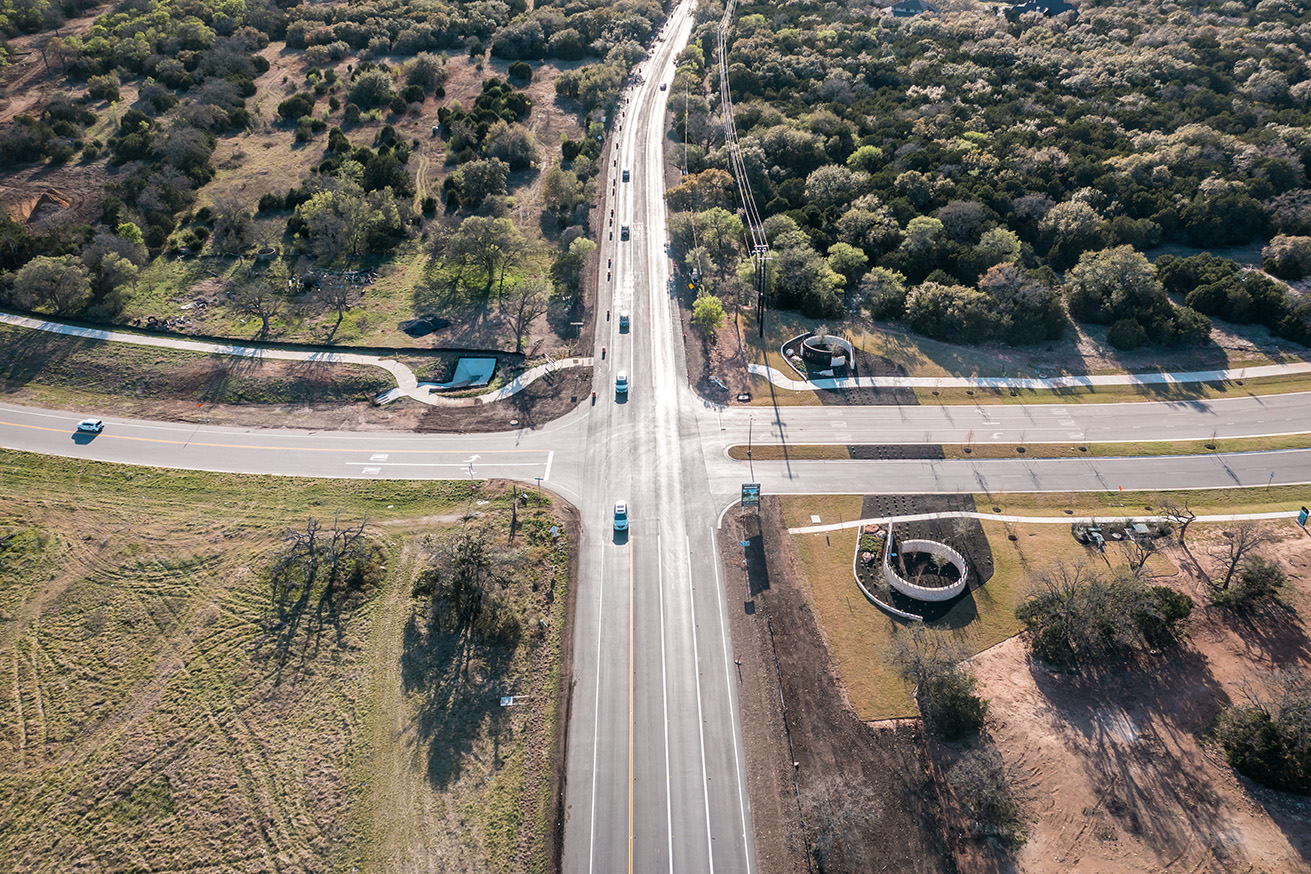
Intersections and corridors also deserve special attention. Many crashes happen where traffic movements overlap or where vehicles interact with people walking or biking. Approaches such as roundabouts, improved turning layouts, more visible crosswalks, and separated pedestrian and bicycle facilities help reduce conflicts and make travel more predictable for all users.
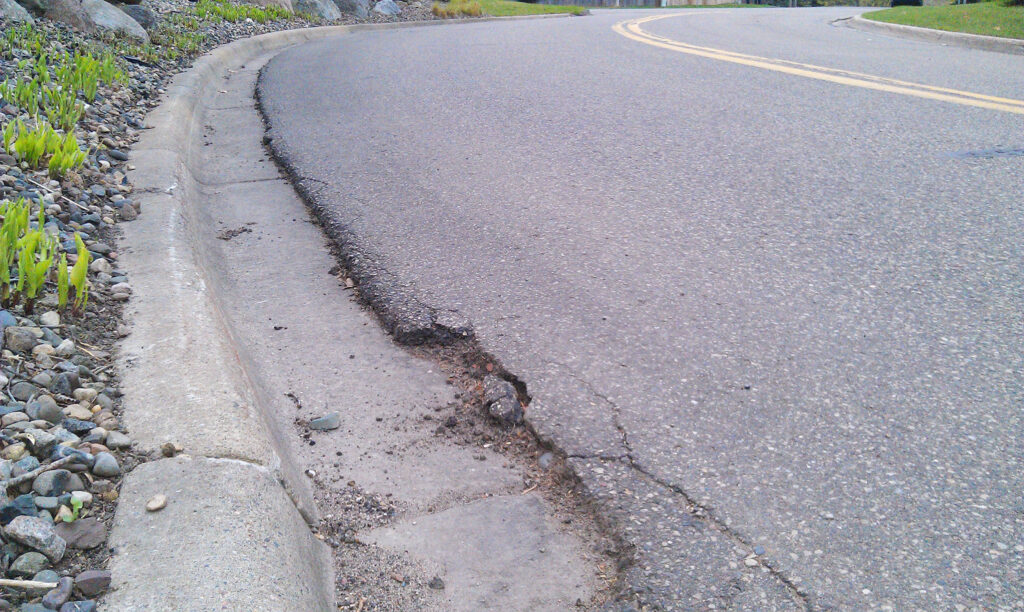
Other roadway features quietly support safety every day. Elements like safety edges, rumble strips, better lighting, clear signage, and thoughtful access management help drivers stay oriented and reduce unnecessary conflict points. Together, these improvements create roadways that are more forgiving and better able to account for everyday mistakes.
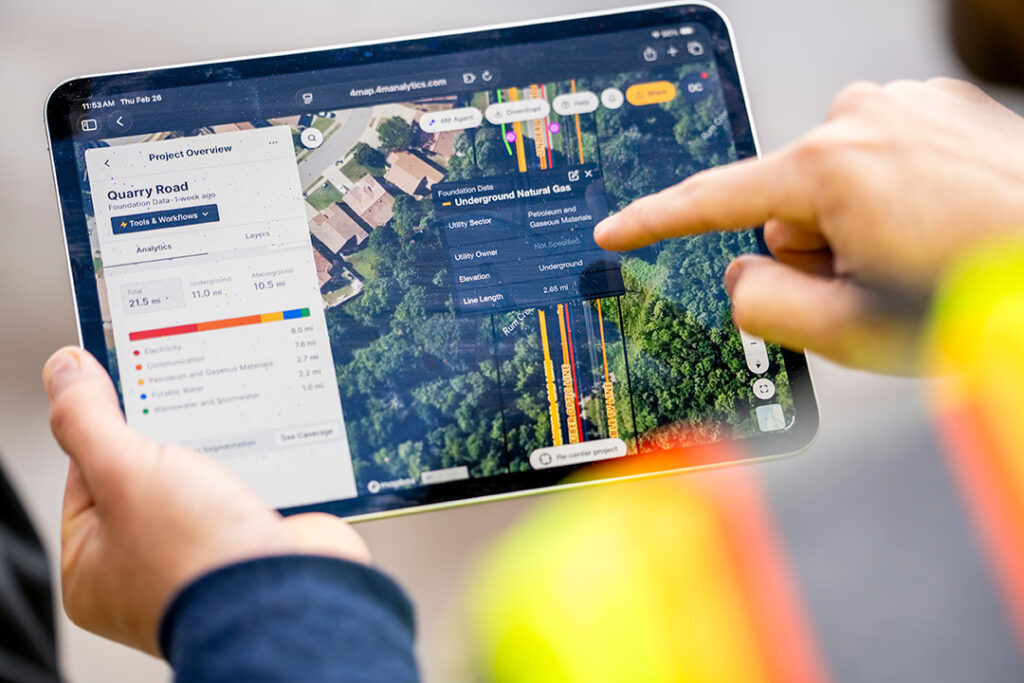
Looking ahead, roadway safety continues to evolve as agencies adopt more proactive and data driven approaches. Rather than relying only on past crash data, communities are using real time information and systemwide tools to identify risks earlier. Technologies like adaptive signals and smart intersections are helping reduce conflicts in high-risk areas, while connected systems are beginning to provide real time alerts to drivers. Together, these efforts build on proven design strategies and reinforce a simple idea, safer outcomes happen when planning, data, and design work together.
WSB works with cities and states to bring these approaches into everyday transportation planning, design, and capital improvement programs. By using data to identify higher risk areas and applying proven safety strategies within routine projects, our teams help agencies stay ahead of safety challenges instead of reacting to them. From integrating new technologies to refining roadway design with a systemwide perspective, we support practical, cost-effective decisions that improve long term performance and protect the people who rely on these roads every day.