Insights
Top 3 Ways Technology Is Strengthening Bridge Programs for DOTs and Communities
By Kevin Anderson, Vice President, Structures, WSB
Across the nation, bridge owners face familiar yet evolving pressures: aging structures, demanding corridors, environmental uncertainty, and rising expectations for safe, resilient infrastructure delivered quickly and transparently. Technology is reshaping how agencies respond — not by replacing engineering expertise, but by expanding what teams can anticipate, coordinate, and deliver. Through our work nationwide, three technology‑driven approaches consistently strengthen bridge programs.
1) Modeling Tools That Reduce Construction Risk Before Work Begins
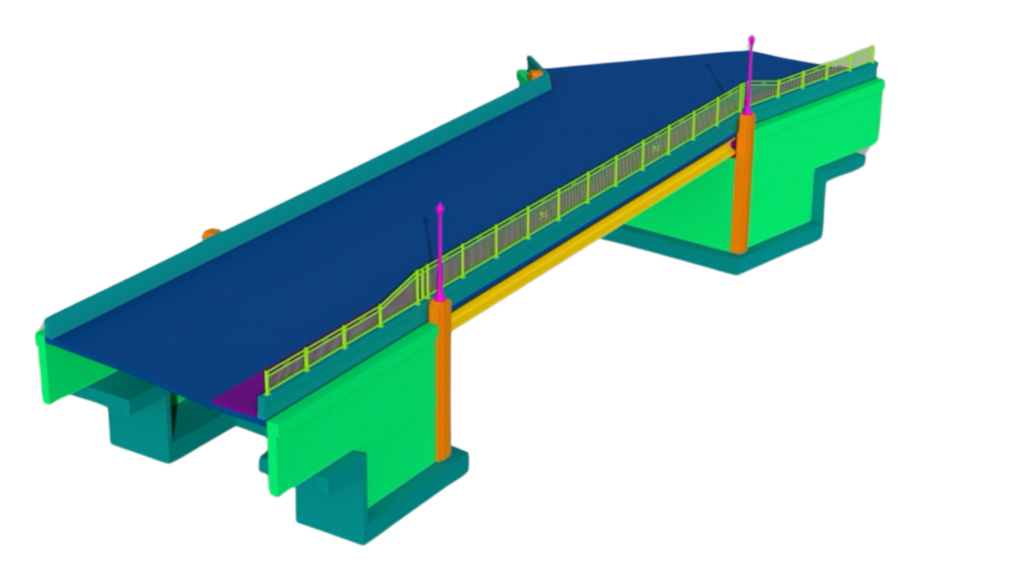
Bridge work is rarely straightforward. Mountain corridors in Colorado bring steep grades, rockfall zones, and limited access. Urban centers in Georgia compress construction into tight rights‑of‑way surrounded by traffic and multimodal networks. Coastal regions in Florida introduce tidal conditions, storm surge risks, and sensitive environments. Each setting demands its own considerations — and modeling helps reveal them early.
With advanced 3D and 4D tools, WSB teams simulate how a bridge interacts with its surroundings long before construction begins. Digital models capture staging sequences, utility conflicts, structure geometry, rail coordination, hydrology, and traffic operations, giving owners a clear view of potential challenges.
This process naturally engages WSB’s geotechnical, water resources, traffic, environmental, and construction specialists, ensuring decisions reflect the full complexity of the corridor. Early insight leads to greater predictability, fewer field surprises, and solutions aligned with the terrain and community.
2) Data‑Driven Insight for Smarter Planning and Long‑Term Stewardship
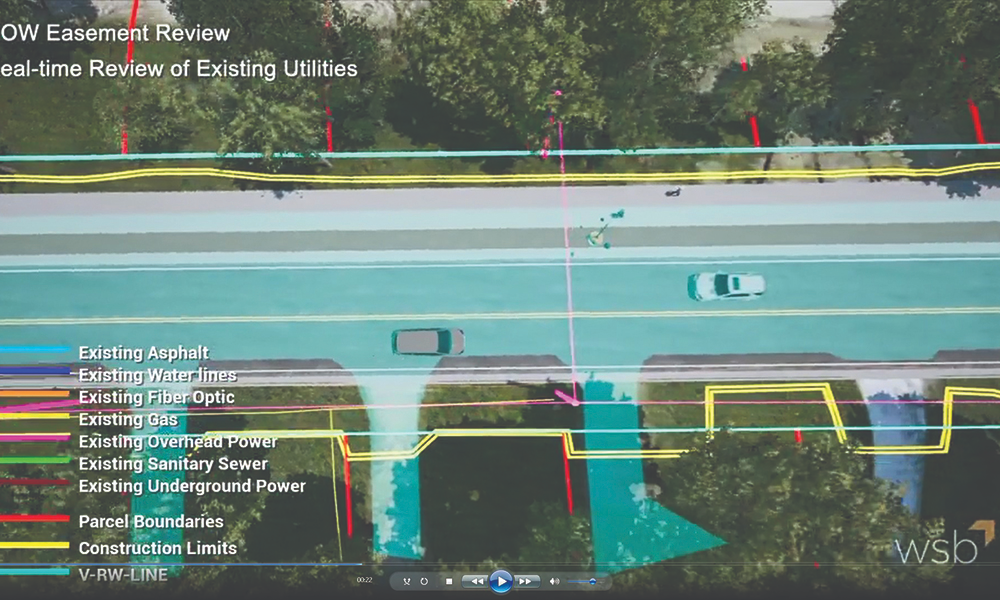
Reliable data is transforming how agencies understand their networks. Tools like GIS, LiDAR, digital inspections, and asset management systems support a shift from reactive maintenance to informed, long‑term planning. These technologies help identify structural trends, pinpoint vulnerabilities, and evaluate risk consistently.
Data becomes even more powerful when interpreted through a multidisciplinary lens. Bridges sit at the intersection of mobility, hydrology, geology, utilities, and community development. Drawing on 50+ service areas, WSB teams assess how changing flood patterns might affect piers, how soils influence deterioration, how traffic growth stresses a corridor, or how development reshapes access.
When bridge data aligns with insights from planning, environmental compliance, stormwater modeling, materials testing, and more, agencies can prioritize projects with confidence and invest in safer, more resilient infrastructure.
3) Digital Delivery That Strengthens Coordination and Accelerates Progress
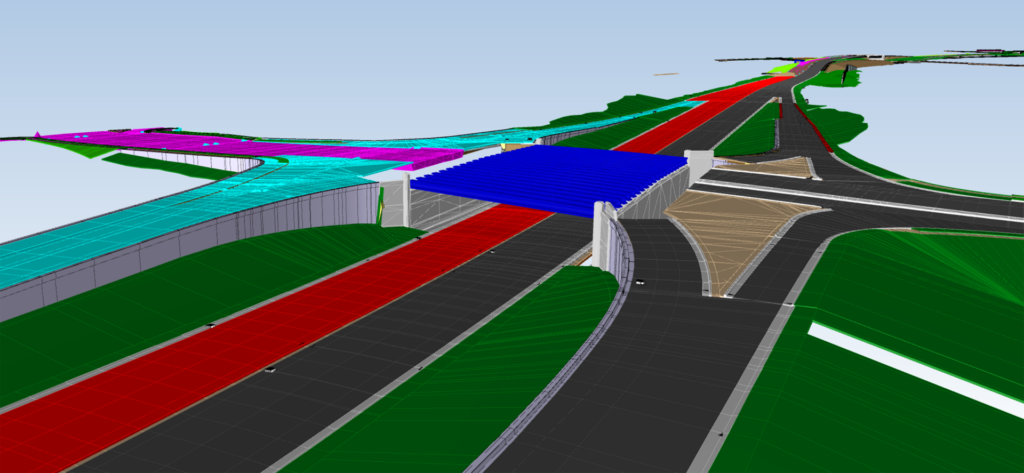
Bridge programs today operate under accelerated schedules, heightened public scrutiny, and complex stakeholder expectations. Digital delivery brings clarity and momentum to the process.
Cloud‑based collaboration, automated documentation, digital plan sets, and real‑time design review tools connect project partners and reduce friction. Contractors gain clearer design intent. Designers understand field conditions faster. DOT reviewers access consistent, up‑to‑date information. Construction engineering and inspection teams verify work with greater accuracy.
WSB’s digital workflows span all service areas, creating continuity from concept through construction. Survey updates feed directly into engineering models, environmental changes appear immediately in design reviews, traffic data informs staging, and public engagement materials draw directly from project models. Fewer handoffs and faster decisions keep projects moving.
Technology That Strengthens More Than Bridges
While these innovations improve bridge delivery, their true impact lies in how they connect to the broader transportation system. Bridges influence — and are influenced by — roadway geometry, hydrology, utilities, mobility needs, permitting, construction methods, and long‑term maintenance. Technology enables these relationships to be understood earlier and addressed holistically.
WSB’s multidisciplinary foundation strengthens this work. Our bridge and structures teams collaborate seamlessly with colleagues in transportation planning, geotechnical engineering, water resources, environmental sciences, GIS, construction services, and more to deliver solutions that consider the entire corridor and community.
The result is more than a well‑delivered bridge — it’s a stronger, safer, more resilient system that supports communities now and into the future.