By Allison Whitsitt, Director, Emergency Management, WSB
Being ready before disaster strikes is essential for protecting both residents and city operations. Preparedness and mitigation offer communities the opportunity to reduce risk, increase safety, and lower long‑term costs. These proactive efforts lay the foundation for confidence, resilience, and stability across all departments.
What Is Preparedness & Mitigation?
Before a disaster occurs, cities must understand their risks and rehearse their response. Preparedness focuses on planning, training, and coordination so staff know exactly how to act during an emergency. Mitigation strengthens the physical and operational systems that keep a city functioning, reducing future impacts from storms, infrastructure failures, or other hazards.
Benefits for Local Governments
Cities that invest in preparedness and mitigation plans experience fewer disruptions and are better equipped to protect budgets, operations, and community assets. These benefits extend across public works, administration, emergency operations, and long‑term capital planning.
- Reduces damage to public infrastructure: Reinforces vulnerable systems and reduces costly repairs.
- Strengthens emergency coordination: Ensures all departments understand their roles and communication pathways.
- Protects municipal budgets: Lowers unplanned recovery expenses and avoids reactive spending.
- Improves access to federal funding: FEMA‑aligned plans unlock grants that fund resilience projects.
- Enhances continuity of operations: Keeps essential city services running even when conditions deteriorate.
Benefits for Residents
When cities prepare effectively, residents feel it — not just during a disaster, but every day. Strong preparedness and mitigation plans create safer neighborhoods, reduce disruptions, and support community trust.
- Safer homes and neighborhoods during severe weather
- Fewer service outages across power, water, and road systems
- More reliable information when emergencies occur
- Stronger faith in local leadership and emergency processes
How We Support Cities
Our team guides cities through a comprehensive, data‑driven approach to preparedness and mitigation planning. By combining technology, expertise, and municipal understanding, we help communities plan smarter and act with confidence.
- Risk and vulnerability assessments
- FEMA‑compliant Hazard Mitigation Plans
- Preparedness drills and training exercises
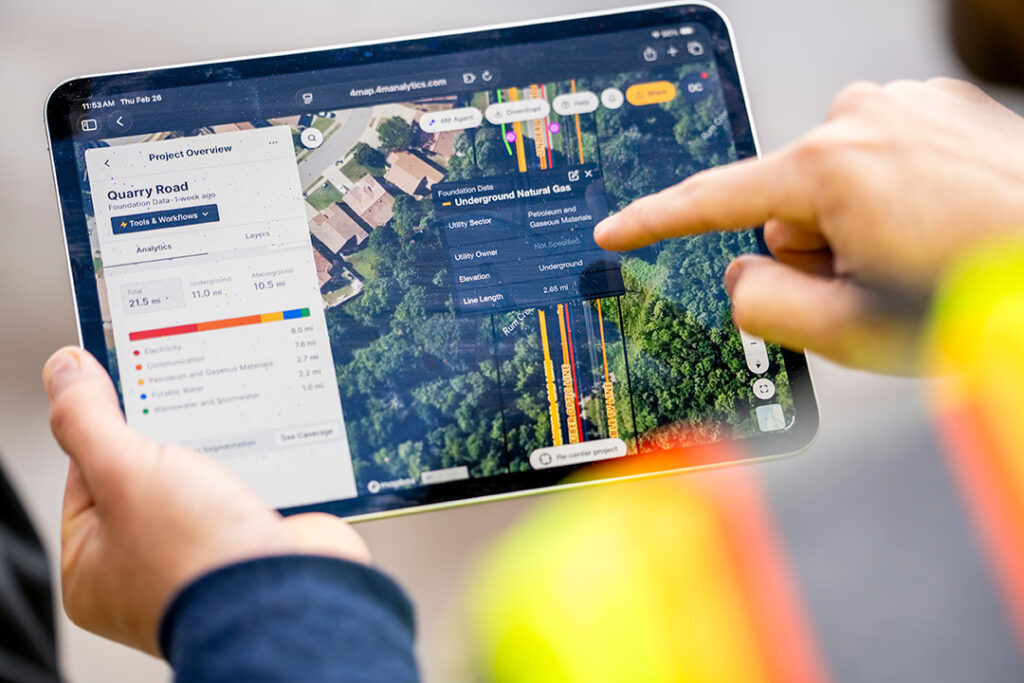
- GIS- and AI‑powered mapping and analysis
- Infrastructure resilience recommendations tailored to local needs
Partner With Us
Building a resilient community requires more than plans on paper — it requires a partner who understands the complexities of municipal operations, the pressures city staff face, and the funding and regulatory landscape that shapes emergency planning. Our team brings decades of combined experience in FEMA‑aligned planning, hazard mitigation, GIS‑based risk analysis, military leadership, and hands‑on municipal support. We’ve helped communities of all sizes strengthen their infrastructure, secure critical federal funding, and build preparedness programs that truly work in real-world conditions.
By working with us, your city gains a dedicated partner invested in reducing risk, protecting public assets, and ensuring your residents are safer and better informed when emergencies occur. Whether you need help assessing vulnerabilities, securing grants, updating emergency plans, or training staff, we’re here to support every step of your preparedness and mitigation journey. Reach out to our Emergency Management team to start enhancing your city’s resilience today.